

- Following the MIND diet can help lower the risk of developing dementia.
- Freeze-dried berries, beans, nuts, tinned fatty fish and olive oil support brain health.
- Exercise, socializing and quality sleep all play a role in mitigating dementia risk.
Dementia, a condition marked by a decline in memory, thinking and reasoning, affects more than 6 million Americans. “There are no ways that we know of to prevent dementia; however, we can reduce risk factors that contribute to it,” says neurologist Jessica Schultz, M.D. The most impactful strategies for reducing risk start in your kitchen.
One eating pattern shown to support cognitive health is the MIND diet (Mediterranean-DASH Intervention for Neurodegenerative Delay), which highlights specific foods that may help slow cognitive decline. It is rich in legumes, fruit, vegetables, fish and whole grains, while being low in sodium, saturated fat and added sugar. Read on to learn which pantry staples are recommended by health and nutrition experts, plus simple, science-backed tips to help lower your risk of developing dementia.
1. Freeze-Dried Berries
Berries aren’t just pretty to look at; they pack a mighty nutritional punch too, making them an essential food in the MIND diet. Research shows that eating berries is associated with improved memory, executive functioning and overall cognitive performance in older adults. According to Liz Weiss, M.S., RDN, “Berries are unique among fruits because they are particularly high in flavonoids like anthocyanins.” Anthocyanins are bioactive compounds that give berries like blueberries and strawberries their vibrant colors. They may support blood flow to the brain, neural communication and memory performance.
Freeze-dried berries retain their nutrients as well as fresh and frozen berries, plus they are shelf-stable and tend to be budget-friendly. Look for freeze-dried berries made without added sugars, and toss them in a trail mix with nuts or popcorn for a fun, flavorful snack. You can also snack on them alone or mix them into your favorite cereal.
2. Beans
Stock up on beans for better brain health. This pantry staple is one of the most affordable, versatile and convenient options to support the brain. Schultz shares, “Beans are high in fiber, have a low glycemic index to help with blood sugar control, and contain unsaturated fatty acids that can improve cholesterol levels for heart and blood vessel health.” These are key factors involved in supporting a healthy brain, with recent studies finding that consuming beans is associated with reducing the risk of disabling dementia in patients without a history of stroke. Weiss also points to the high fiber content of beans, which supports a healthy gut microbiome. A healthy gut microbiome has been shown to help reduce inflammation and positively influence the connection between the brain and the gut.
Whether you’re preparing dried beans from scratch or popping open a can, beans are an important part of the MIND diet. Add them to soups, salads, grain bowls, pasta sauces or use in dips for a healthy, budget-friendly snack.
3. Nuts
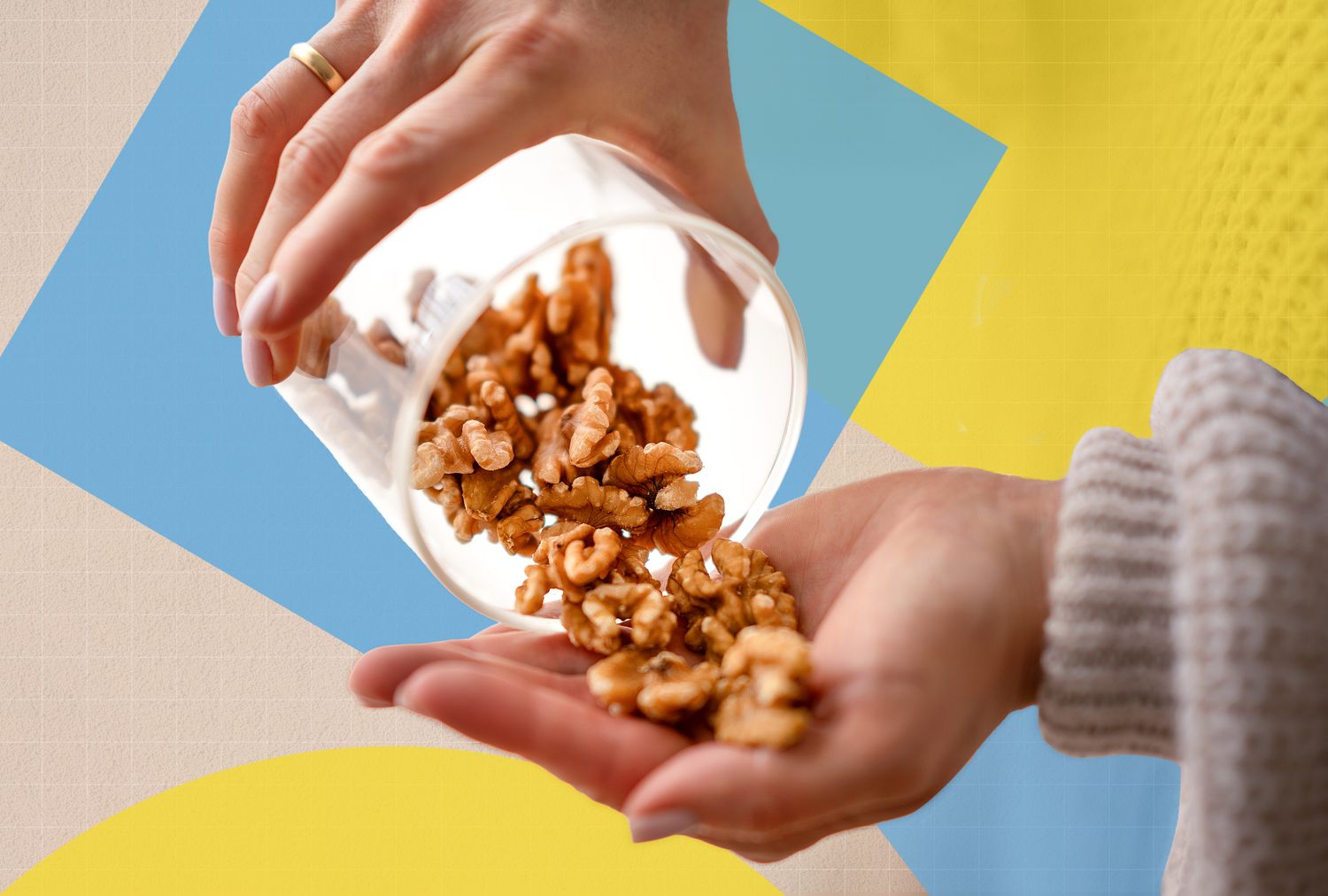
There’s a reason nuts are a pillar of the MIND diet; they contain important nutrients like unsaturated fats, vitamin E, magnesium, fiber, potassium and folate, which all support a healthy brain. Schultz also highlighted their arginine content, an amino acid that helps make nitric oxide, which in turn can help regulate blood pressure. Keeping blood pressure in balance is crucial to support healthy blood flow to the brain, thus enhancing cognitive health. In fact, one study showed that over a six-year period, individuals who consumed more than 70 grams of nuts per week (about 2½ ounces) had a 17% lower risk of cognitive impairment than those who did not consume nuts (or consumed nuts less frequently).
The good news is that nuts are shelf-stable and very easy to add into your routine. Whether you pair a small portion with a piece of fruit for a snack or top your morning yogurt or oats with them, nuts add wonderful texture and a powerful pop of nutrition to every bite.
4. Tinned Fatty Fish
There’s a reason nutrition experts want you to eat fatty fish at least twice per week. Weiss acknowledges fatty fish are among the best dietary sources of DHA and EPA, long-chain omega-3 fats that are abundant in brain cell membranes and play key roles in neuron structure, function and signaling. Research suggests that individuals who consume more fish in midlife may reduce their risk of developing dementia later in life. The key factor is the omega-3 fatty acids, which play a powerful role in both lowering inflammation and improving brain health.
Tinned fish works well in the MIND diet and can easily be incorporated into salads, sandwiches or bowls. Not sure which fish is best? Weiss encourages you to think of SMASH, or salmon, mackerel, anchovies, sardines and herring, all of which possess high amounts of DHA and EPA.
5. Olive Oil
Olive oil is a staple of the MIND diet. “Its polyphenol and monounsaturated fat content both help support cholesterol and blood sugar levels,” explains Schultz. Since the brain relies on steady blood flow from the heart, keeping the heart in top shape is crucial for brain health. Additionally, emerging research suggests that regular olive oil consumption may reduce cognitive decline, a key risk factor for dementia.
If olive oil isn’t already a go-to in your kitchen, consider investing in a high-quality extra-virgin variety. Its versatility makes it ideal for sautéing and roasting vegetables as well as for salad dressings and simple sauces.
Other Tips for Lowering Dementia Risk
While diet plays a powerful role in supporting brain health, it’s only one piece of the puzzle when it comes to reducing dementia risk. Rajesh Burela, D.O., shares that lifestyle factors play an equally important role. Keeping these habits in mind, alongside a brain-healthy diet, can help strengthen and protect cognitive health over time.
- Make movement a priority: Weiss recommends clients find a form of movement they enjoy and do it regularly for their brain health. Not only does regular physical activity boost blood flow to the brain, but it benefits both mood and heart health. Research shows that about 30 minutes of exercise, five days a week, may help slow cognitive decline.
- Stay socially connected: Meaningful social interaction plays a key role in brain health. Regular engagement with others helps support cognitive function, while social isolation has been linked to faster cognitive decline.
- Focus on sleep: Consistent, high-quality sleep helps the brain clear out waste and improve memory. Burela encourages patients to incorporate a sleep routine that allows for six to eight hours per night.
Our Expert Take
Incorporating proactive diet and lifestyle strategies now can help reduce the risk of developing conditions like dementia later in life. Experts say pantry staples like freeze-dried berries, olive oil, fatty fish, beans and nuts are excellent additions to support long-term cognitive health. But don’t forget to incorporate lifestyle habits that support brain health, such as regular physical activity, adequate sleep and prioritizing social connections.
