

- Omega-3s, including EPA, DHA and ALA, are anti-inflammatory and are abundant in salmon.
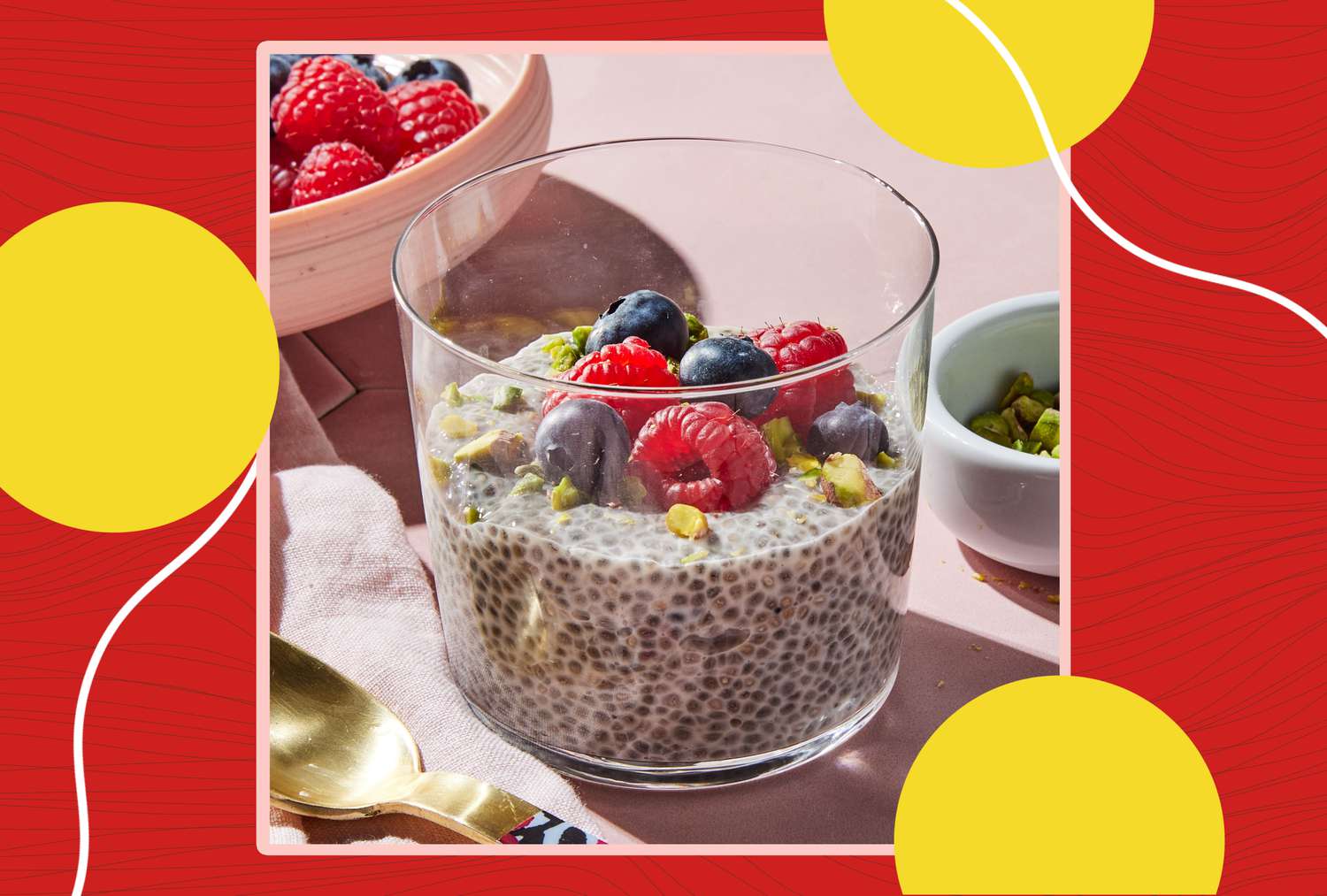
- Walnuts, chia seeds, mackerel and hemp seeds all contain a form of omega-3 fatty acids.
- Enjoy walnuts as a snack, chia seeds in smoothies or mackerel grilled with veggies.
Omega-3 fatty acids are essential fats that play a crucial role in maintaining overall health. Unlike other types of fats, our bodies cannot produce omega-3s on their own in adequate amounts, which means we must get them from our diets. Omega-3 fatty acids come in three main types: ALA (alpha-linolenic acid), which is found in plant-based sources, and DHA (docosahexaenoic acid) and EPA (eicosapentaenoic acid), which are primarily found in marine sources.
Salmon is often celebrated as a powerhouse of omega-3 fatty acids, particularly EPA and DHA, making it an excellent and delicious choice for boosting your intake. And it is true that this fish has an impressive amount of these fats. A 3-ounce (85-gram) serving of cooked salmon contains approximately 1,800 milligrams of omega-3 fatty acids, primarily in the form of eicosapentaenoic acid (EPA) and docosahexaenoic acid (DHA).
However, while salmon sits comfortably as a well-known source of omega-3s, you might be surprised to learn that there are other foods containing even higher amounts of these essential fatty acids. Here are five foods with more omega-3s than salmon—and delicious ways to enjoy them. Note that some of these foods contain ALA omega-3 fatty acids, so swapping your salmon for these options won’t be an exact comparison.
1. Walnuts
Omega-3: 2,500 mg ALA omega-3s per 1 oz.
When it comes to omega-3 fatty acids, walnuts are an incredible plant-based option that actually surpasses salmon in omega-3 content, albeit in a different form. With approximately 2,500 mg of ALA per serving, walnuts contain higher levels of omega-3s, as ALA and not DHA or EPA. “ALA, a plant based omega-3, can be converted into EPA and DHA in the body; however, this conversion results in small amounts of EPA and DHA,” says Sharniquia White, M.S., RDN, LDN. Research suggests that ALA may offer cognitive health benefits, as well as a potential protective effect against type 2 diabetes, but more data is needed to confirm this.
Walnuts are also the only tree nut that is an excellent source of ALA omega-3 fatty acids. White emphasizes the versatility of walnuts, stating, “I like walnuts as an omega source because they’re so versatile. You could enjoy them as a snack or incorporated into a meal, they can be sweet or savory flavored, and they do not require cooking. You can literally grab a pack of walnuts and go!” This makes walnuts not only nutritious, but also a convenient and adaptable choice for increasing your omega-3 intake in your daily diet.
2. Chia Seeds
Omega-3: 5,000 mg ALA omega-3s per 1 oz.
Chia seeds are a plant-based source of omega-3 fatty acids, specifically ALA (alpha-linolenic acid). According to Wendy Bazilian, Dr.P.H., RDN, chia seeds contain more omega-3s per serving than salmon, though the type of omega-3 differs.
“Chia seeds are incredibly versatile and also one of the most sustainable crops globally,” says Bazillian. “Plus, chia oil is an excellent, concentrated source of ALA with a mild flavor that works beautifully in dressings or drizzled over roasted veggies.” Chia seeds can be easily incorporated into your daily meals—sprinkled over yogurt, blended into smoothies, or used to prepare nutrient-packed overnight oats.
3. Mackerel
Omega-3: 2,133 omega-3 fatty acids per 3 oz.
When it comes to omega-3 content, mackerel is an impressive fish. “EPA and DHA are the omega-3s most associated with cardiovascular, brain and eye health, and they are important during pregnancy,” shares Elana Natker, RD. “DHA is found in abundance in the brain and in the retina of the eye, although both EPA and DHA are also found in every cell of the body,” Natker adds.
Not only is mackerel a nutritional powerhouse, but it is also a more cost-effective and sustainable option than some other types of fish. It has a rich flavor and can be enjoyed grilled, baked or even as part of a tasty smoked dish. Including mackerel in your diet doesn’t just boost your omega-3 intake—it also adds variety to your meals, making it easier to maintain a well-rounded and nutritious eating plan.
4. Herring
Omega-3: 1,700 mg DHA and EPA omega-3s per 3 oz.
Another excellent source of omega-3 fatty acids is herring, a small, oily fish commonly found in both the Atlantic and Pacific oceans. Herring is a versatile and flavorful fish, often consumed in pickled, smoked or fresh forms, making it a staple in many cuisines around the world.
While it might not be as widely recognized as salmon, herring is packed with nutrients, including high levels of omega-3 fatty acids—specifically EPA and DHA. Herring is also a source of antioxidants such as vitamin E, which supports immune function and helps protect cells from oxidative damage. Additionally, herring is a source of vitamin D and selenium, further enhancing its status as a nutrient-dense food.
5. Hemp Seeds
Omega-3: 2,600 mg ALA omega-3s per 3 tbsp
Hemp seeds, the shelled seeds of the hemp plant, are a source of omega-3 fatty acids that surpasses the omega-3 content found in salmon. A 3-tablespoon (30-gram) serving of hemp seeds contains about 2,000 milligrams of omega-3 fatty acids, specifically ALA, the plant-based omega-3. Unlike salmon, which primarily contains EPA and DHA, hemp seeds provide a balance of omega-3 and omega-6 fatty acids in a ratio considered ideal for human health.
Beyond their omega content, hemp seeds are packed with protein, essential vitamins and minerals such as magnesium, zinc and iron, making them a versatile, nutrient-dense addition to a plant-based or omnivorous diet. Their mild, nutty flavor pairs well with smoothies, salads, yogurt or baked goods, providing both health benefits and culinary variety.
How Many Omega-3s Should You Consume?
The recommended daily intake of omega-3 fatty acids varies depending on the type and source. Adults should aim for a daily intake of approximately 1.1 grams for females and 1.6 grams for males of ALA (alpha-linolenic acid), which is a plant-based omega-3 found in foods like flaxseeds, chia seeds and walnuts.
When it comes to DHA and EPA, U.S. health agencies offer no guidelines for how much EPA and DHA a person should include in their daily diet. For people with existing coronary heart disease, the American Heart Association recommends approximately 1 gram per day EPA plus DHA, preferably from oily fish. Research suggests consuming 3 grams each day of EPA and DHA may help support healthy blood pressure. Other data indicates that consumption of more than 2 grams per day of DHA and EPA may lower triglycerides and non-HDL cholesterol, but not LDL cholesterol.
Recommended amounts of omega-3s may vary for specific health conditions or life stages, such as pregnancy or managing certain diseases.
Our Expert Take
Omega-3 fatty acids are an essential component of a balanced diet, offering a wide range of health benefits, from supporting cardiovascular health to boosting brain function. While salmon is often celebrated as a primary source of DHA and EPA omega-3s, exploring a variety of alternative foods can help diversify your nutrient intake and cater to different dietary preferences.
Options like walnuts, chia seeds, mackerel, herring and hemp seeds provide impressive amounts of omega-3s, showcasing their versatility and potential to enhance your meals with both flavor and nutrition. Just remember to pay attention to which type of omega-3 you are consuming, as they are not all created equal. If you avoid fish in your diet, an algae-based DHA supplement may be worth considering with your health care provider.
By incorporating these nutrient-dense foods into your routine, you can effectively meet your omega-3 needs in a sustainable and enjoyable way. Whether you’re blending chia seeds into a smoothie, sprinkling hemp seeds over a salad or savoring a flavorful mackerel dish, these choices make it easy to prioritize your health without compromising on taste.
