

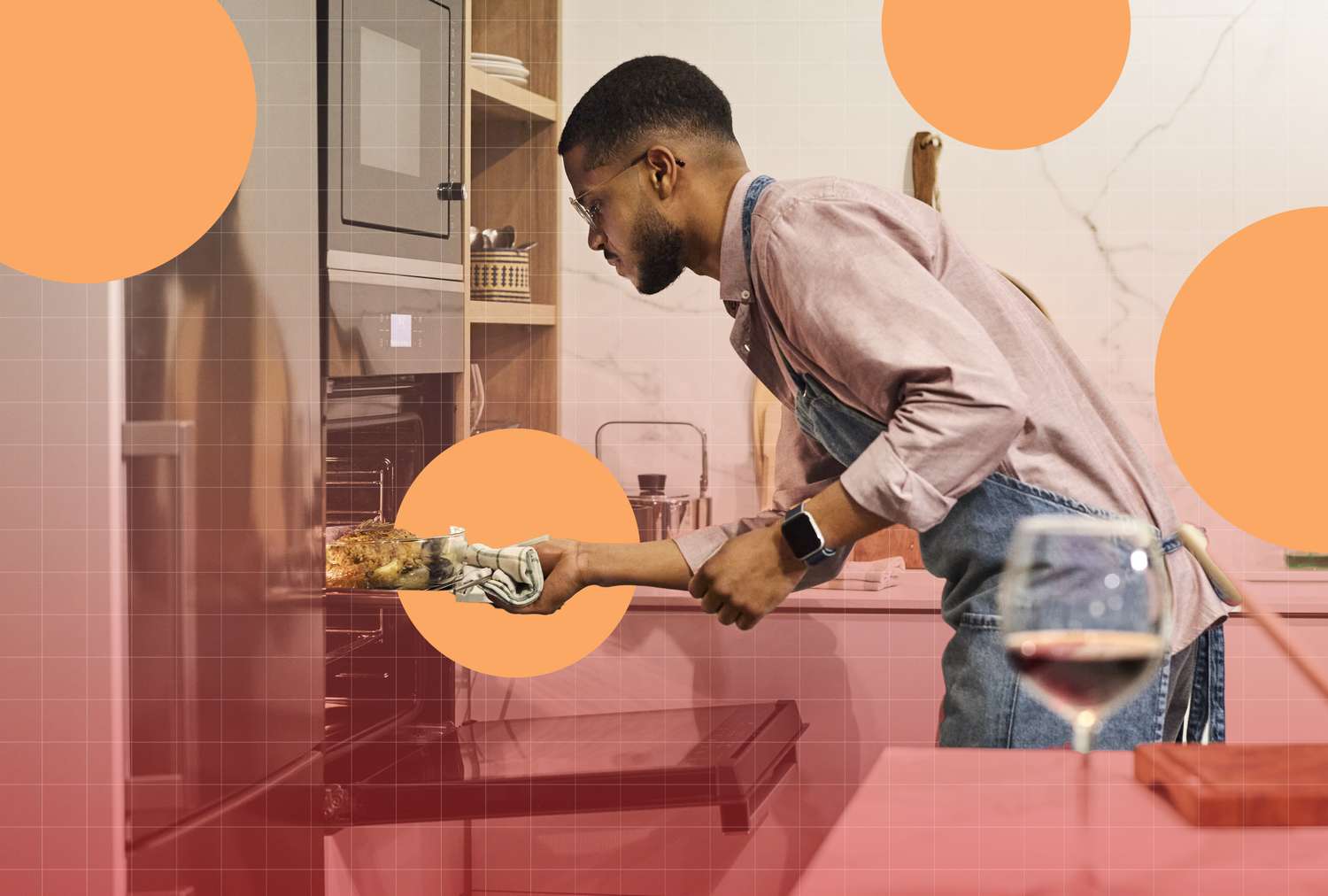
- Glass pans heat slowly and aren’t ideal for ultra high-heat cooking like broiling.
- Avoid using glass for breads, pies or frozen dishes that need rapid or very hot cooking.
- Glass works best for casseroles, saucy dishes, acidic foods and delicate proteins like fish.
The right pan can be the difference between a delicious meal and a kitchen disaster. The size, shape and material of your cookware all play a role in how food cooks—affecting everything from preparation time to flavor development, browning, crispness and heat retention.
Baking dishes come in a variety of materials, including glass, stoneware, light and dark metal and even silicone. While one material may be great for one recipe, it can fall flat for others. For example, you may love your trusty 9-by-13-inch glass baking dish, but it’s not always the best choice for safe or successful cooking.
We spoke with experts to share five foods you should never cook in a glass pan—plus which dishes glass does handle beautifully.
1. Breads & Pies
Glass is thicker than metal and heats up more slowly, says Joan MacIsaac, a baker and recipe developer. That’s why baking bread in glass won’t give you the rich browning and crisp crust you want in a sourdough loaf or artisan baguette. Plus, the high temperatures that are often required for artisan breads can push glass beyond its safe limits.
Pies are a bit more nuanced. Some bakers love glass pie plates because the clear sides and bottoms make it easier to check for doneness and aim for golden, crisp bottom crust. However, metal often performs better—even without that sneak peek of the crust. “I recently stopped baking my Thanksgiving apple pie in my glass baking dish because the bottom of the crust didn’t bake through as well as when I used a metal pie pan,” MacIsaac says.
Glass can work better for baked goods like bread pudding, quick breads and cobblers, but you may have better results if you make a few tweaks to the recipe, like reducing the temperature by 25°F and extending the baking time slightly to account for slower heat-up. “If you want to cook with glass pans, I’d recommend using lower temperatures, keeping a stable cooking temperature and allowing the pan to cool on a towel instead of a counter,” says Kristen Carli, M.S., RD.
2. Roasted Vegetables
Just like with bread, glass isn’t the best choice for roasting vegetables. Its insulating qualities mean foods heat more slowly and don’t brown as effectively as they do on metal.
“I much prefer sheet pans for roasting potato slices, root veggies and certainly roasting larger cuts of meat on a rack,” says MacIsaac. “Metal pans heat quicker and thus more moisture will evaporate. This is when sugars in the food will intensify and you get more browning.”
Glass pans are also typically deeper than metal sheet pans, which can trap steam and lead to softer, less crisp edges.
3. Broiled Meats
“Anything at a broil is too hot for a glass pan,” Carli says. “Glass pans are ideal for cooking things that require gentle, even cooking or dishes that need to retain moisture. However, they are not great for cooking at high temps for long or dishes that require quickly increasing temperature.”
Using glass under the broiler isn’t just ineffective—it can be dangerous. Placing a room-temperature glass pan under intense, direct heat can cause it to crack or even shatter. When broiling meats or other high-heat dishes, metal pans are the safer, more reliable choice.
4. Frozen Foods
The same sudden temperature changes that could cause a glass pan to explode under the broiler can also wreak havoc if you’re trying to cook frozen foods. For example, if you’re reheating portions of frozen casserole in the oven, glass is not the way to go—that extreme temperature difference between the frozen food and the hot oven could cause the glass to crack or even shatter.
5. Stovetop Recipes
Even a glass pan that can handle your oven isn’t cut out for direct contact with a stovetop heating element or open flame. Never heat a glass pan on the stove—sudden exposure to intense, direct heat can cause it to crack or even explode.
Foods You Can Cook in a Glass Pan
- Acidic Foods. “Glass is great for cooking acidic foods like tomatoes, lemon and wine” that can react with materials like aluminum or cast iron, MacIsaac says.
- Casseroles. Glass pans are ideal for casseroles, baked pastas and other high-moisture dishes that benefit from slow, even cooking and browning on top. With glass, “moisture or water will evaporate more slowly in the dish yet you can still achieve a bit of caramelization around the edges,” says MacIsaac.
- Fish. Delicate proteins like fish fillets can benefit from the slower, gentler heating of a glass pan.
- Baked Dishes with Sauces. Glass works well for shakshuka, braised vegetables and other saucy dishes because it distributes heat evenly and prevents drying.
Our Expert Take
Using the right pan is just as important as using the right ingredients and following a recipe. That means understanding which pans work best for which foods. Avoid using glass pans for artisan breads, pies, roasted vegetables or meats, or for broiling or frozen foods—and never heat glass cookware on your stovetop. Instead, use metal pans when making those recipes, and save your glass pans for acidic foods, high-moisture dishes like casseroles, baked dishes and delicate proteins such as fish.
