

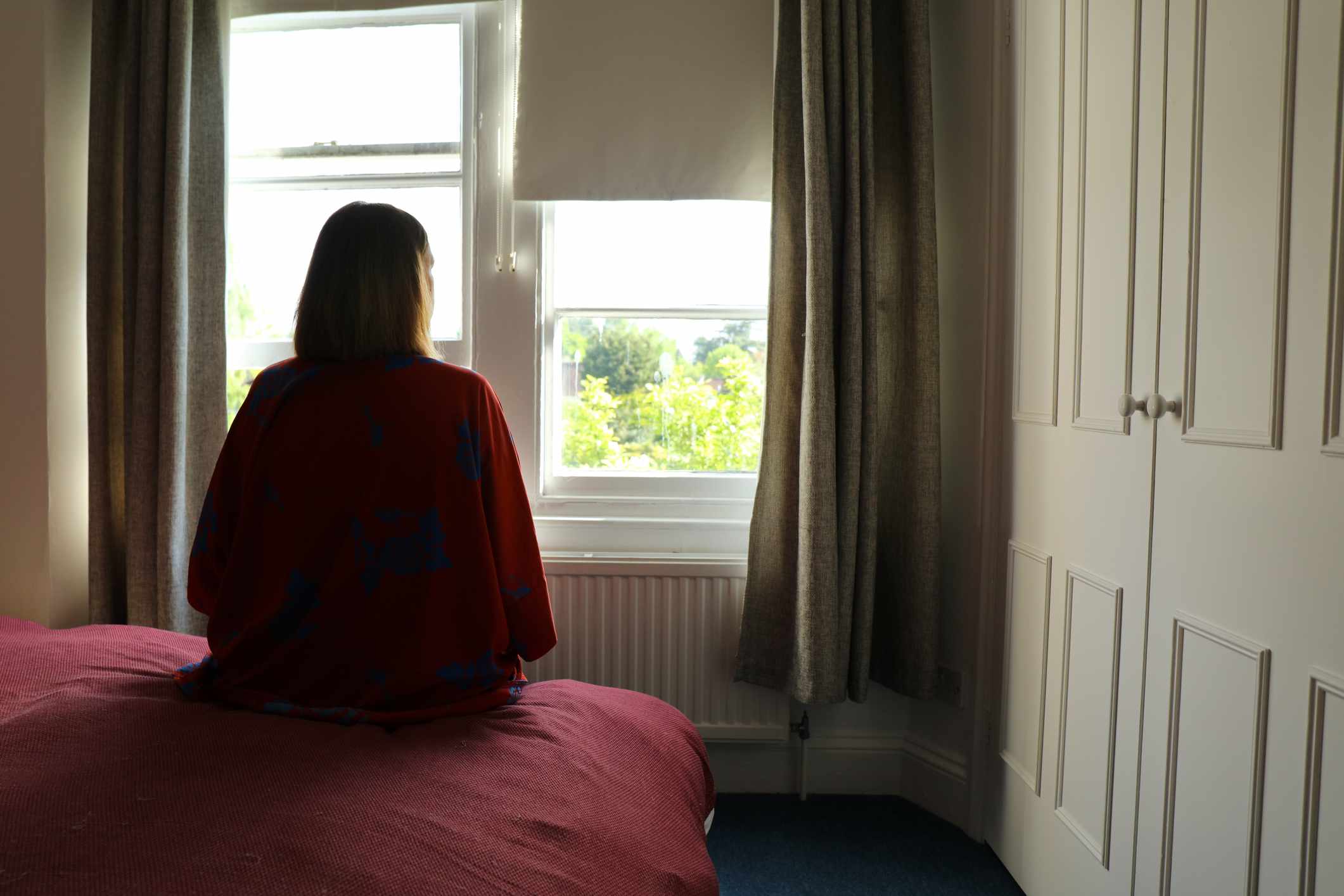
Domestic violence involves patterns of behavior that are used to gain and maintain power and control over an intimate partner. Sadly, domestic violence is a common occurrence; around 1 in 3 women and 1 in 4 men report experiencing severe physical violence at the hands of an intimate partner at some point during their lifetime.
Such abuse often involves romantic partners, but domestic violence can also affect children, elderly family members, or other relatives. Such incidents are referred to as family violence.
Of the many types of domestic violence, physical violence is often viewed as synonymous with domestic violence—its telltale signs offer easy markers of mistreatment. However, while other forms of abuse may not produce bodily harm, this doesn’t make their impact any less damaging.
At a Glance
Domestic violence is a serious and devastating problem that affects millions of people each year. Physical abuse is one of the most common types of domestic violence; however, emotional abuse, financial abuse, isolation, and stalking are also forms of domestic violence that abusers use to gain control over their victims. Learning more about some of the common types of domestic violence can give you the tools you need to recognize such abuse and take steps to get help if you think someone might be experiencing domestic violence.
Common Types of Domestic Violence
When people hear ‘domestic violence,’ they often think of physical abuse. While physical abuse is common, it’s crucial to remember other forms of abuse can also occur in intimate relationships.
Some of the most common forms of domestic violence include:
Physical Abuse
Physical abuse is a common form of domestic violence. It can take many forms, including:
- Grabbing
- Pushing
- Slapping
- Shoving
- Hitting
- Stabbing
- Burning
- Biting
Other forms of physical abuse can include:
- Withholding physical needs such as sleep or food
- Refusing to release necessities (e.g., drugs)
- Locking a victim out of the house
- Withholding help where the victim is sick/injured
Sexual Abuse
Sexual assault and rape are serious forms of domestic violence in intimate relationships. About 1.5 million women experience rape by a partner each year—a staggering statistic.
The reported results of the 2022 National Intimate Partner Sexual Violence Survey found that women experience sexual assault more frequently than men. The survey found that one in four women and one in 26 men in the U.S. reported completed or attempted rape victimization in their lifetime.
Within the elderly population, approximately 2% experience physical assault, 1% live through sexual abuse, and 5% are subjected to neglect annually. Within the younger population, approximately 10% of children are exposed to domestic violence annually.
Emotional Abuse
Emotional abuse is a type of domestic violence that uses words and actions to berate, embarrass, or otherwise tear down the self-esteem of another person. This abuse specifically targets the emotional and psychological well-being of a person.
Examples of emotional abuse include:
- Gaslighting
- Direct threats of physical harm to the victim
- Indirect threats to hurt their loved ones
- Making excessive, unreasonable demands
- Invalidating the victim’s feelings
- Constant criticism and name-calling
- Creating chaos
- Guilt-tripping or emotionally blackmailing the victim
- Giving the victim the silent treatment
- Controlling and isolating the victim
- Threatening self-harm in order to manipulate the victim
- Ignoring the person’s needs or requests
- Attacking their self-work
Unfortunately, emotional abuse is quite common. One study found 40% of women and 32% of men reported excessive aggression in their relationships. A further 41% of women and 43% of men gave accounts of coercive control from their partners.
Emotional abuse extends beyond intimate relationships. For example, spouses, children, and relatives of elderly individuals contribute to a 5% emotional abuse rate within this group.
In children—the terror, isolation, and ill-treatment experienced in early life have been linked with alcohol use problems in later years.
Financial Abuse
Financial abuse is a type of domestic violence in which an abuser wields their influence over the economic resources in the relationship as a means to oppress their victim. This may appear as limiting or denying the victim access to funds. It may also be found where the victim is kept on an allowance or denied any say in how finances are dispersed.
The abuser may also take away the victim’s ability to earn money. They might prevent their victim from working or orchestrate a victim’s loss of employment by sabotaging them at work. They may go as far as denying the victim access to transportation to work.
A financial abuser may also blow through money earmarked for important household needs—this can be spent on frivolous expenses. The elderly are particularly vulnerable to this form of abuse. They are frequent victims of abusers who use their money without their knowledge or authorization.
Seniors may also have their signatures forged, funds misappropriated from their pensions, or even have a joint signatory abuse access to their account.
Isolation
Isolation is a unique type of domestic violence that can involve the actions of both the abuser and the abused. Abusers seek to control their victims, where people who are abused may limit their social contact to avoid having their abuse noticed by others.
One way for an abuser to maintain control over their partner is to keep them away from family, friends, or colleagues who may attempt to offer advice or protection against their victimizer.
Abusers often control who their victims can social with, which leaves the individual socially isolated. This ensures that their primary source of contact and support is their abusive partner.
In some cases, a person who is facing abuse may choose to avoid interactions with family, friends, colleagues, and other acquaintances for fear that they notice the bruising, cuts, and other injuries sustained in their relationships.
They may also resort to isolating themselves from loved ones to avoid their abuser’s reaction should they learn of a meeting. The victim may also simply choose to avoid their loved ones because of their abuser’s unmasked hatred towards them.
Stalking
Stalking is a type of domestic violence that involves both emotional and psychological abuse. While anyone can experience stalking, statistics suggest that women are stalked at a higher rate than men. The Centers for Disease Control and Prevention (CDC) reports than 1 in 6 women and 1 in 17 men are stalked at some point during their lives.
Explained simply, stalking is the persistent and unwanted pursuit of another person. This pursuit will typically lead the person on the receiving end to fear physical harm or death to themselves, their family, or other loved ones.
Stalking may occur during or after a relationship has ended. It includes terrorizing behavior like:
- Watching the victim from a distance
- Breaking into the victim’s home
- Reading their mail
- Following victims through daily activities
- Violating restraining orders against being near the victim
This form of abuse can be incredibly harmful to the victim, causing sleep difficulties, intense feelings of stress and anxiety, depression, anger, eating disorders, excessive feelings of vulnerability, and more.
Domestic Violence Risk Factors
There can never be a justification for abuse. However, to understand this phenomenon, it’s important to note that most abusers act in order to gain control over their victims.
This desire for control may stem from anger management issues, low self-esteem, jealousy, an inferiority complex, personality disorders, learned behavior, as well as from alcohol or substance abuse.
The development of this dangerous need for control may be encouraged by the following risk factors:
- Lower education levels
- Childhood abuse
- Drug and alcohol abuse
- Men who view women as inferior
- Growing up in an abusive environment
- Females who witness domestic violence as children
Recap
Abusers use different types of domestic violence, including physical, emotional, sexual, or financial abuse, to assert control over their victims. Abuse may also come in the form of stalking or isolating a victim.
How to Recognize Types of Domestic Violence
Domestic violence wears many faces, some apparent, while others are less obvious. Some of the signs that you or a loved one may be in an abusive relationship include:
- Obvious or hidden cuts and bruises
- Behaving apprehensively in the presence of a partner
- Routinely making excuses for a partner’s behavior in public or towards loved ones
- Having limited control over finances
- Meeting fewer times with family members and loved ones
- Living in constant fear: of saying the wrong thing, contradicting a partner, or refusing sex
An abusive partner is controlling—whether it is through finances, gatekeeping who their partner can or cannot see, making frequent, sometimes unannounced calls or visits to a partner’s place of work to keep tabs. An abuser may also force their partner to participate in unwanted sexual acts.
How to Get Help
Attempting to escape an abusive relationship can be a truly frightening ordeal. However, it is one that doesn’t need to be faced alone.
Here are steps to take after making the decision to leave the danger:
- Map out a plan: This plan will list out the safe places you can escape to, as well as the people who can offer assistance and protection against your abuser.
- Retain evidence of abuse: Take pictures of bruises and cuts, threatening text messages and emails, or other signs that show abuse by a partner should be kept safe and hidden when planning your escape.
- Contact local help centers: Where possible, discreetly reach out to local centers that protect victims of domestic abuse for assistance with your plan to leave. They may also offer guidance for life after escape.
- Call a helpline: The domestic violence helplines can provide anonymous help to victims of domestic abuse.
In cases of immediate danger, 911 can be reached for help. If you suspect that a loved one is currently living in an abusive relationship, there are different ways to offer support like setting up a safe time to discuss their circumstances, helping with their escape plan, sharing local domestic violence resources and centers with the victim, or calling emergency services to their rescue.
Takeaway
Domestic violence is experienced at epidemic proportions the world over. Whether it is through overt acts of physical violence, or less easy to identify measures like emotional or financial abuse. Violence may also come in the form of stalking or isolating a partner in a relationship.
Domestic violence can have devastating effects on the physical and psychological well-being of a victim. Making the decision to leave an abusive situation can be incredibly difficult, but it is also tremendously brave.
There are multiple services ready to help with making that decision. If you or a loved one require help getting away from an abusive partner—local community centers, helplines, and emergency services can help to safely get you away from the danger, and on the right track to a secure life away from the abuser.
