

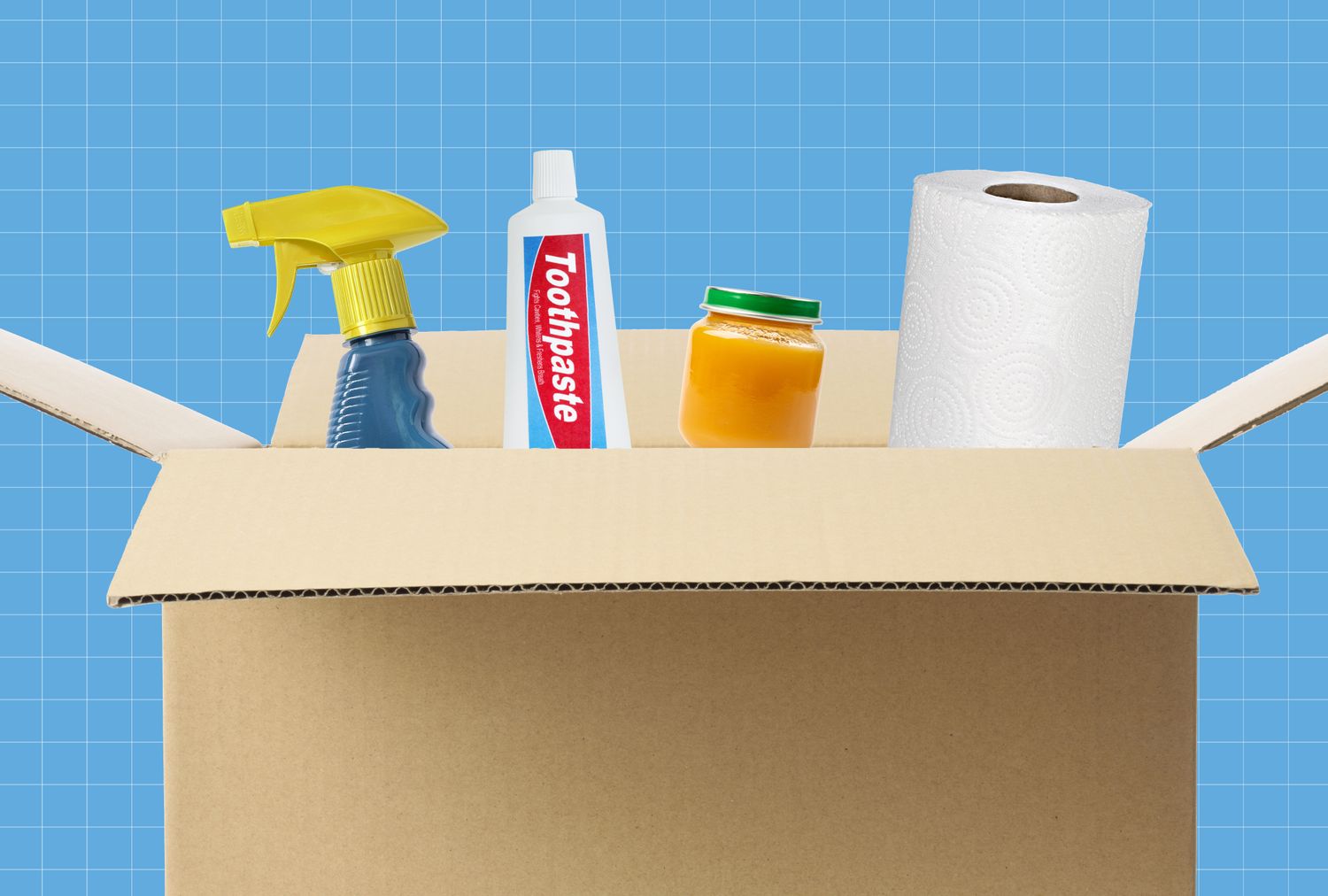
- Food banks say nonfood donations like hygiene items, cleaning supplies and paper goods often get overlooked.
- Items for babies and seniors, like diapers, wipes or nutritional drinks, are especially appreciated.
- Monetary gifts make a major difference, letting food banks cover expenses and buy what’s missing, like milk or supplies.
Making a donation to your local food bank is a great way to help meet needs within your own community. Whether you’re gathering up nonperishable food items to deliver to your nearest collection center or making a financial donation to support a food bank’s efforts, one thing’s for sure: Every little bit helps make a big difference.
But the idea of food banks simply “feeding the hungry” doesn’t give the full picture. Kim Turner, vice president of communications and chief of staff at Food Bank of Delaware, told EatingWell it’s important to remember that food banks do more than just distribute food. Turner says food banks offer job training, nutrition education and other resources to beneficiaries.
“Also,” says Turner, “hunger doesn’t look the way people sometimes imagine. Many of the individuals and families we serve are working, raising children or caring for loved ones. A job loss, medical bill or increase in rent can push a household into crisis very quickly.”
Food banks need more than just food donations to serve the people within their communities. EatingWell chatted with Turner and other food bank employees to find out which nonfood items are most helpful to them, and the answers might surprise you.
Personal Hygiene Items
Erika Spence, storytelling and communications manager at Second Harvest Food Bank of Central Florida, says to remember that “any common household item is greatly appreciated and often out of reach for individuals choosing between paying rent and affording food.” Among these items? Personal hygiene products like soap, shampoo, feminine products and toothpaste.
Other personal hygiene items to consider donating include body lotion, deodorant, conditioner, mouthwash and toothbrushes. If it’s something you’re picking up at the grocery store for your own daily routine, it’s a good idea to pick up extra to add to your donation bin.
Cleaning Supplies
It’s also helpful to donate cleaning supplies like window cleaner, dish soap and toilet bowl cleaner to your local food bank. “When families have difficulties affording food, they also have a hard time purchasing essential products like these,” says Turner. “When we have these items, families are so grateful. You can see the relief in their faces when they see they’re available.”
Take a moment to run through the products you use when you clean your home, from furniture polish to floor cleaner. These, too, are great items to add to your cart next time you’re planning a food bank donation.
Paper Goods
Along the same lines of personal hygiene and home-cleaning products are paper goods like toilet paper and paper towels. Spence calls items like napkins, paper towels and tissues “all good options” when it comes to making a food bank donation.
Also in this category are disposable items like paper plates, plastic food storage bags and other food storage necessities like plastic wrap and foil. If it’s helpful in your kitchen, it’ll most likely be helpful for food bank beneficiaries, too.
Baby Care Items
Jill Hirsekorn, vice president of communications and marketing at Lowcountry Food Bank in South Carolina, says donating baby care items to your local food bank can be incredibly helpful to the families the food bank serves. These items include necessities like diapers, wipes, formula and baby food.
“These are expensive items,” says Hirsekorn, “and if a neighbor can find these much-needed items at the food pantry, they can use their own available funds to help meet other monthly expenses like rent and utility bills.”
Senior Adult Needs
When deciding what you’ll donate to your local food bank, it’s also important to remember the senior adult community in your area. Spence says the specific needs of aging adults are often overlooked when it comes to donated items.
“On the other end of the age spectrum,” she explains, “consider the needs of our seniors, with nutritional drinks like Ensure or Boost or incontinence products.”
Monetary Donations
Like any nonprofit organization, food banks can also benefit from financial contributions. This can often be a super-simple way to help out, since donating money to most food banks can be done right from your living room sofa thanks to online donation platforms.
“Monetary donations help food banks do two things,” says Spence. “First, [they] pay for the trucks, gas and other costs of food rescues from local farms and food retailers. These are two excellent sources of fresh produce and high-quality proteins.”
“Second,” she says, “funds are used to purchase the items to help fill in the gaps between what is donated and what is needed to support neighbors facing hunger. For example, we may get a truckload of cereal, which is awesome, but need the milk to go with it.”
“Both food and financial gifts make a real difference,” adds Turner. “We’re grateful for every can, every box and every dollar. However, because of our partnerships and bulk purchasing power, monetary donations allow us to stretch each dollar much further than a typical trip to the grocery store.”
At the end of the day, anything you’re able to donate to your closest food bank helps further its mission. And, since hunger is an issue that affects many demographics, it’s an impactful way to make a difference in your community.
The Bottom Line
Donating to a local food bank is a powerful way to support your community, but think beyond food. Anything you buy at the grocery store, from personal hygiene products to cleaning supplies and paper goods as well as items specifically for babies and seniors, are very much needed but often overlooked. Monetary donations are also especially impactful, helping food banks cover operational costs and purchase exactly what they are short on. Whether you give goods, funds or both, every contribution helps ensure your neighbors have access to basic necessities. “Everyone has a right to have access to healthy food,” says Hirsekorn. “Even if there are two adults working full time in a household, inflation makes it tough to put food on the table every day.”
