

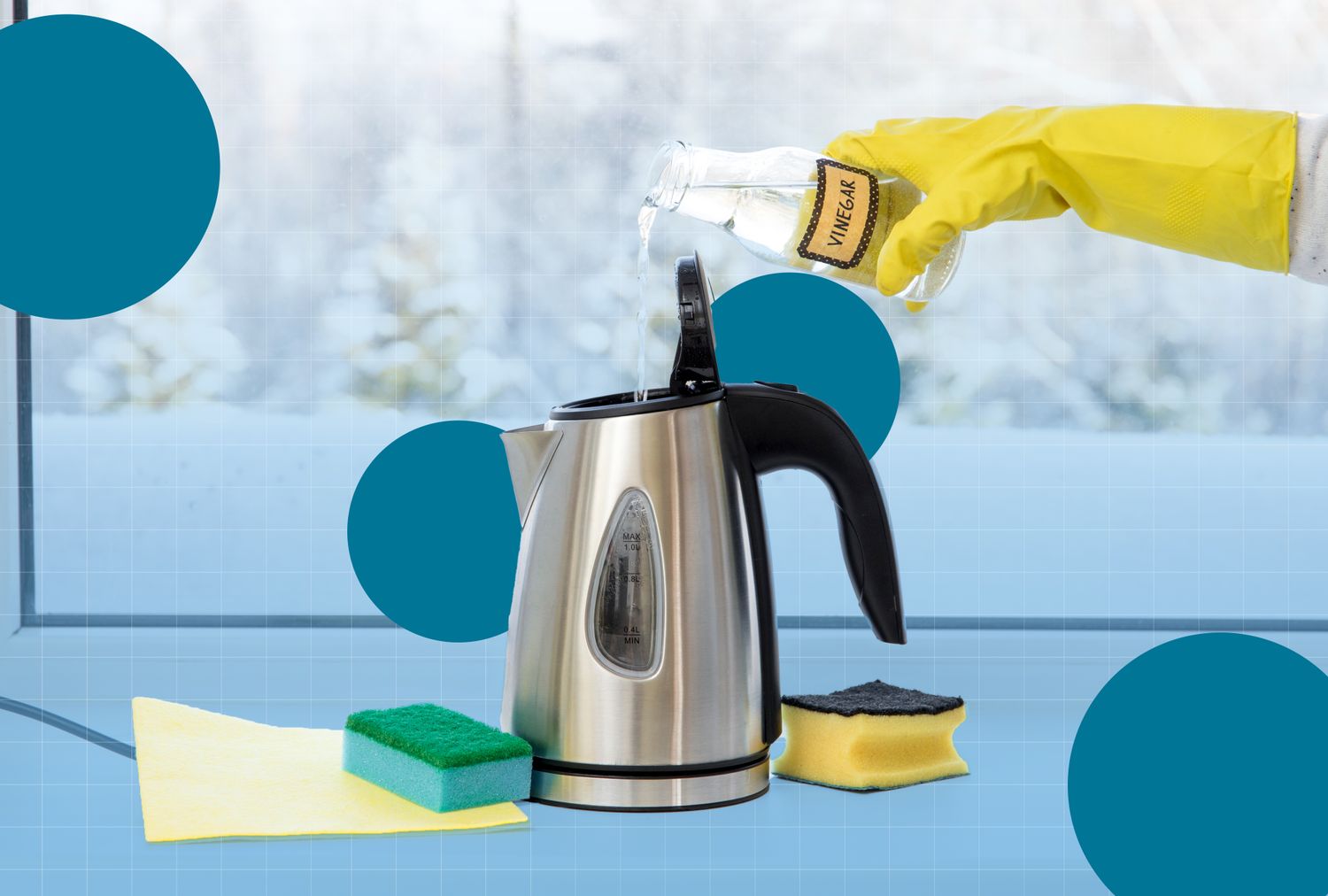
- Vinegar can damage stone, wood and rubber materials around your home.
- It doesn’t kill 99.9% of germs and isn’t a reliable disinfectant.
- Specialty or pH-neutral cleaners are better for many surfaces.
There are several reasons people reach for vinegar as a cleaning agent. It is more natural than many products on the market and is certainly less expensive. Vinegar has a reputation as an effective cleaning solution for surfaces and as a deodorizer. It is safe to use on toys, humidifiers and other plastics. However, there are many parts of your house that should not be cleaned with vinegar.
“The problem is that vinegar has become this ‘cure all’ solution in the natural cleaning world, and whilst I’m absolutely an advocate for reducing bad and nasty chemicals in the home, we need to be smart about it. Vinegar is acidic, which makes it fantastic for certain jobs but completely unsuitable for others,” said Danny Leung, interior designer, founder of Detoorp and a natural and aesthetic cleaning and laundry advocate. Below are eight things you should never clean with vinegar, according to cleaning pros, as well as what you should use instead.
1. Countertops
Vinegar is not a good solution to use on countertops because of their material. Leung said, “avoid using it on natural stone worktops like granite or marble. The acid will etch the surface over time.” It can also make the luster of marble and limestone duller. If your countertop is sealed, as many granite counters are, the vinegar will break down the seal over time. Not only will your countertops look bad, but fixing them can cost thousands of dollars.
Wood countertops, like the butcher block style, are also a bad fit for cleaning with vinegar. Many countertops are sealed to help keep out moisture, and the vinegar will break this seal down. It will also make the appearance dull and cloudy over time. Vinegar can also wear down grout, especially if it is unsealed.
Another big reason to avoid vinegar on countertops and many other surfaces is safety. Melissa Lush, co-founder of Force of Nature, which makes natural cleaning products and appliances, said, “vinegar doesn’t kill 99.9% of germs. If you’re cleaning a kitchen countertop where you’ve been preparing meat or eggs or other foods that can harbor microbes, vinegar isn’t a good option.” During cold and flu season, plus COVID, it can be especially important to sanitize high-touch surfaces.
To keep germs at bay, Lush said, “instead you want to use an EPA-registered disinfectant, which by regulation has to kill 99.9% of germs.” She added that, “An option that is safe on stone, kills 99.9% of germs and is a highly effective deodorizer is hypochlorous acid (HOCl). It kills viruses and bacteria like bleach does, but it’s safe on stone—it’s so gentle you can spray it on baby toys without rinsing.”
For removing stains and splatters, some dish soap on a cloth or sponge is going to work best and be the gentlest option.
Diluted bleach solution can be used on some countertops, but be careful to look up best practices for your materials. If you clean surfaces with bleach, which is a good option for killing germs, never use vinegar in the same space. The combination of bleach and other chemicals such as those in vinegar can create harmful gases. If you accidentally cross-contaminate, open all windows and leave the area and seek professional advice.
2. Floors
As with countertops, because of the material on floors, such as stone, tile or wood, vinegar can be too corrosive. Leung said, “It might seem like a natural solution, but the acidity can wear away the finish and leave your floors looking dull.” If you break down any seals on the floor, it is more likely to be scratched or dinged.
For floors, Leung says, “we ideally should use pH-neutral cleaners,” which you can look up at the Environmental Protection Agency’s website.
3. Appliances
Stainless steel and vinegar are not a good fit. If there’s a sealant on your stainless-steel appliances, the vinegar will break it down. Vinegar also causes pitting on stainless steel over time. Vinegar is great for some surfaces and too harsh for others. Cleaning the inside of the fridge, which is plastic, with vinegar is safe and effective—just make sure not to get the solution on the rubber seal of the fridge, as vinegar will wear down rubber over time. Vinegar is a good cleaning solution for glass and plastic, so it could work well for smaller appliances like your coffee pot, but always follow the manufacturer’s advice.
Instead, use specialty stainless-steel cleaners or other products aimed at appliances. Dish soap and warm water are good for items that have food residue, but it’s always a good idea to read the manufacturer’s recommendations.
4. Metal Cookware
Most metals you find in your kitchen on cookware won’t benefit from vinegar. Over time, vinegar is corrosive to aluminum and will take off the seasoning layer on cast iron. Vinegar causes pitting on metals like steel and iron.
Again, remember that vinegar isn’t the best choice for sanitation, so use something else to avoid foodborne pathogens and other germs. For stubborn grease, use a trusted dish soap or a paste made of baking soda and water.
5. Silverware
As with appliances, stainless-steel silverware and other cookware should be cleaned with something other than vinegar. Since most silverware can go in the dishwasher, that is the best way to get silverware spotless and germ-free.
For silverware that needs to be hand washed, gentle dish soap and warm water works best. The only exception is for actual silver silverware, which does require polishing to get it looking its most radiant. Use a specialty silver polish, dish soap or a paste of baking soda to get that sheen.
6. Sinks
Your sink may be stainless steel, which isn’t a good fit for vinegar, and the sink can be a large breeding ground for germs, so, as discussed, avoid vinegar for cleaning. Another reason to avoid vinegar in the sink is that it is corrosive to rubber. Because of the rubber in many garbage disposals, vinegar is not a good option for cleaning the sink. Also, do not pour vinegar down the drain as this can corrode the gaskets as well.
7. Dishwashers
Some people worry about odors in the dishwasher and might grab vinegar as a natural dishwasher cleaner, but it’s not a good idea. It’s not strong enough to get rid of the types of odors that build up in dishwashers and can be harmful to the rubber inside dishwashers. Instead, use a specialty product.
Vinegar isn’t a good choice as a deodorizer anyway, despite its reputation. Since vinegar cannot kill germs, Lush said, “it’s not an effective deodorizer on bacteria-borne or fungus-based odors. Odors caused by these microbes are very common, and to get rid of them, you have to be able to kill the germs that cause them.” So while vinegar might mask a smell, it won’t get rid of it.
8. Screens
Depending on how high-tech your kitchen is, there may be screens on your refrigerator or other appliances. You might also have a screen in the kitchen such as those that display family photos or a tablet for recipes. Your phone is also likely making an appearance in the kitchen and has been splattered with sauce from time to time.
Vinegar is damaging to screens—it can make the anti-glare and touchscreens less effective. Instead, use a specialty screen cleaner or, if the splatter is recent and mild, a lightly damp cloth.
The Bottom Line
Vinegar is an excellent cleaning agent for some items, such as glass and plastic, but it can harm surfaces such as floors and countertops. Vinegar does not kill germs and cannot protect you from foodborne pathogens or viruses like cold and flu. While vinegar can help reduce odors, it does not eliminate them all, so you may need to use an alternative. Instead of vinegar, use specialty products for each surface or bleach or baking soda, but always read instructions on products and be careful of cross-contamination with bleach as it can cause harmful gases.
