

Key Takeaways
- It is important to taper off Zoloft slowly to avoid withdrawal symptoms.
- Zoloft withdrawal symptoms can include nausea, dizziness, anxiety, weakness, and muscle pain.
- Always consult your doctor before changing your Zoloft dosage.
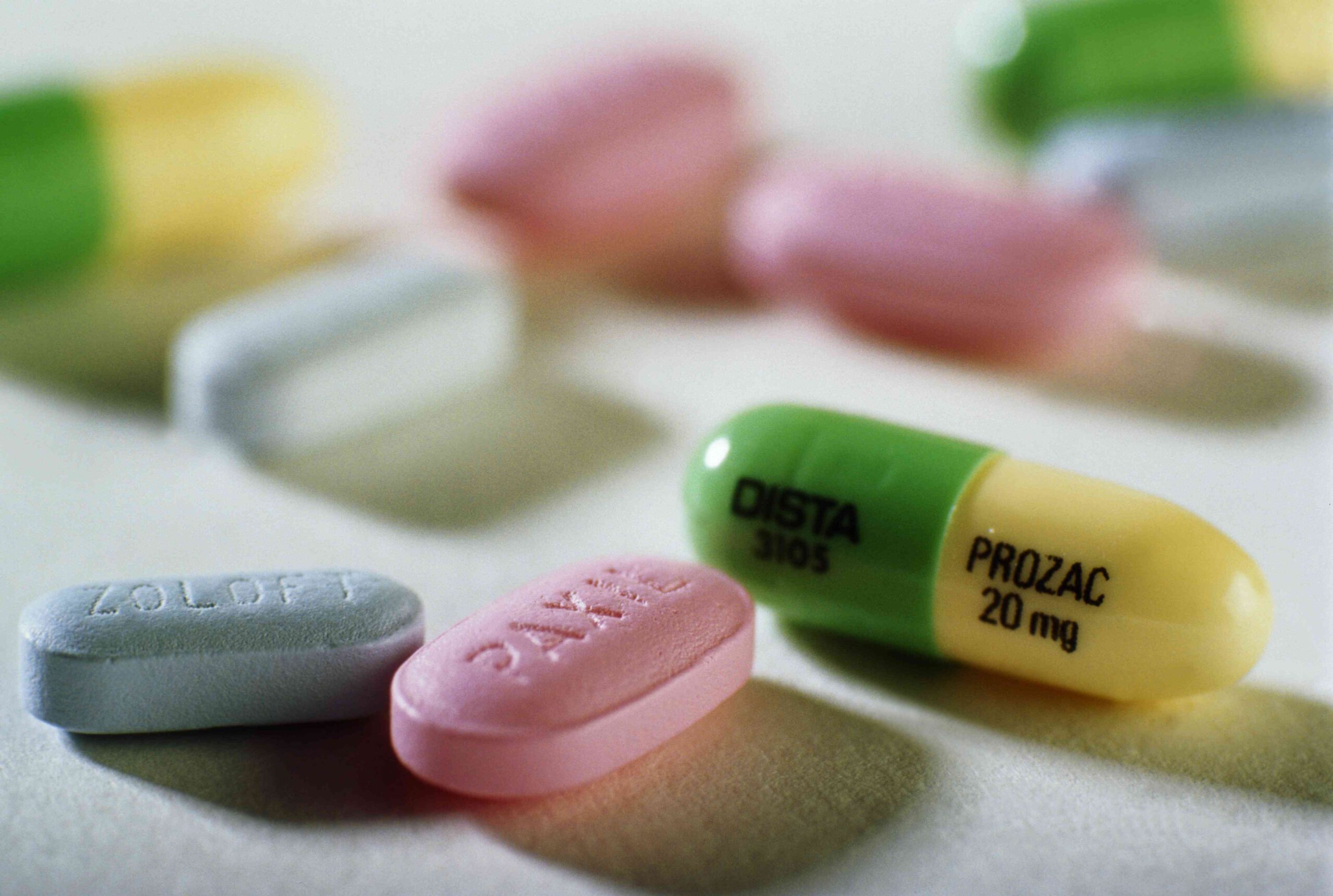
Zoloft (sertraline), like many other serotonin reuptake inhibitors (SSRIs), is fairly well known for resulting in a discontinuation syndrome if you stop taking it suddenly. This is, in part, because Zoloft has a short half life. Your doctor can help you through the process of weaning off Zoloft as safely and comfortably as possible.
Illustration by Joshua Seong. © Verywell, 2018.
Discontinuation Syndrome
Because it leaves your body so quickly, weaning off Zoloft too quickly can cause discontinuation syndrome.
Common Symptoms
Discontinuation syndrome can cause nausea, tremor, dizziness, muscle pains, weakness, insomnia, anxiety, and brain “zaps,” Symptoms usually last one to two weeks but, in some people, gradually subside over a period as long as a year.
Discontinuation syndrome can occur for anyone, but it is most common in people who have been on Zoloft for many months or years. It can be unsettling because the symptoms might mimic those for which you sought treatment in the first place; in fact, you might even become concerned that your depression or anxiety symptoms are reappearing.
Half-Life of Zoloft
Zoloft (sertraline) has a half-life of approximately 26 hours. That means that for every day that passes without taking the medication, the level in the blood falls by 50%. After one day, the level is reduced to 50% of the original level, after two days to 25%, after three days to 12.5%, and so on.
Symptoms When Weaning Off Zoloft
The symptoms of discontinuation syndrome may include:
- Fatigue
- Upset stomach
- Muscle pain
- Insomnia
- Anxiety
- Agitation
- Dizziness
- Hallucinations
- Blurred vision
- Irritability
- Tingling sensations
- Vivid dreams
- Sweating or electric shock sensations
Some people will experience only minor symptoms and may not make the connection with the changes in their medication regimen. For others, the symptoms are so debilitating that they feel they cannot stop their antidepressant for fear of how it will interfere with their lives.
Antidepressants that have longer half-lives, such as Prozac (fluoxetine), are less apt to cause discontinuation syndrome, because the body has more time to adapt to the change. In contrast, the half-life of Zoloft is shorter, so it’s more apt to cause withdrawal symptoms.
Tapering to Prevent Discontinuation Syndrome
The best way to avoid or minimize these symptoms is to taper off Zoloft gradually. Consult your physician before attempting to taper.
There are not any hard and fast rules for tapering off Zoloft. One person may do it within a short time, while another may take longer. Some may even need to use liquid Zoloft or split their pills in half in order to taper in smaller increments.
A liquid formulation of Zoloft, which your doctor must prescribe, allows you to easily measure out smaller quantities of the medication than what is available in pill form. Pills can be split by obtaining an inexpensive device called a pill splitter from your local pharmacy.
Sample Weaning Schedule
No specific schedule suits everyone, but a person taking the upper maintenance-level dosage of Zoloft (200 mg) might ease down gradually through dosages of 200mg, 150mg, 100mg, 75mg, and 50 mg, spending several days or weeks at each level.
Consult your healthcare provider to develop a weaning regimen that works for you. It will depend on how long you have been taking Zoloft, your current dosage, and how you respond to the tapering.
Tips for Weaning Off Zoloft Comfortably
The best way to avoid severe discontinuation symptoms is to reduce your dose gradually under your doctor’s supervision. If your symptoms are severe, you might have to wean more slowly. The symptoms will pass in time as your brain adapts to the new dosage.
Work With Your Mental Health Professional
It may be tempting to quit your medication as soon as you start to feel better, but going off of it too soon can cause a relapse. In general, you should stay on your medication for at least four to nine months, and if you’ve struggled with depression three or more times, you should wait at least two years.
Talk to your mental health professional about whether or not it’s a good time to discontinue your medication and how to do it.
Follow the Plan
Make sure you taper off according to your doctor’s direction. It may take longer than you think it should, but it’s important to go slowly, so your brain has adequate time to adjust. It is OK to call your doctor and let them know that you wish to discontinue your medication more slowly if you are experiencing uncomfortable withdrawal symptoms.
Get Outside Support
Keep in touch with your mental health professional, especially if you are having withdrawal symptoms. Think about involving a close friend or family member as well, since this person can potentially see issues you may be having that you don’t notice.
Consider Psychotherapy
Therapy, particularly cognitive-behavioral therapy (CBT), can be extremely helpful in keeping depression symptoms at bay by helping you learn how to identify negative thought patterns and change them. Studies have also shown that psychotherapy decreases the likelihood of a relapse.
Get Help Now
We’ve tried, tested, and written unbiased reviews of the best online therapy programs including Talkspace, BetterHelp, and ReGain. Find out which option is the best for you.
Stay Healthy
Eat nutritious, balanced meals and snacks, exercise regularly, get enough sleep, and participat in activities you enjoy. Exercise, in particular, can help increase serotonin levels, which in turn boosts mood. Just get that workout done at least several hours before bedtime, or the rush of adrenaline and endorphins you feel may interfere with your sleep.
Verywell Mind uses only high-quality sources, including peer-reviewed studies, to support the facts within our articles. Read our editorial process to learn more about how we fact-check and keep our content accurate, reliable, and trustworthy.
-
Gabriel M, Sharma V. Antidepressant discontinuation syndrome. CMAJ. 2017;189(21):E747. doi:10.1503/cmaj.160991
-
Fava G, Gatti A, Belaise C, Guidi J, Offidani E. Withdrawal symptoms after selective serotonin reuptake inhibitor discontinuation: a systematic review. Psychother Psychosom. 2015;84(2):72-81. doi:10.1159/000370338
-
Li CH, Pollock BG, Lyketsos CG, et al. Population pharmacokinetic modeling of sertraline treatment in alzheimer’s disease patients: the diads-2 study. J Clin Pharmacol. 2013;53(2):10.1177/0091270012445793. doi:10.1177/0091270012445793
-
Wilson E, Lader M. A review of the management of antidepressant discontinuation symptoms. Ther Adv Psychopharmacol. 2015;5(6):357-68. doi:10.1177/2045125315612334
-
Berwian IM, Walter H, Seifritz E, Huys QJ. Predicting relapse after antidepressant withdrawal – a systematic review. Psychol Med. 2017;47(3):426-437. doi:10.1017/S0033291716002580
-
Wetherell JL, Petkus AJ, White KS, et al. Antidepressant medication augmented with cognitive-behavioral therapy for generalized anxiety disorder in older adults. Am J Psychiatry. 2013;170(7):782-9. doi:10.1176/appi.ajp.2013.12081104
-
Young SN. How to increase serotonin in the human brain without drugs. J Psychiatry Neurosci. 2007;32(6):394-9.
Additional Reading
-
Harvard Women’s Health Watch. How to taper off your antidepressant.
-
Renoir T. Selective serotonin reuptake inhibitor antidepressant treatment discontinuation syndrome: a review of the clinical evidence and the possible mechanisms involved. Front Pharmacol. 2013;4:45. doi:10.3389/fphar.2013.00045
Thanks for your feedback!
What is your feedback?
Helpful
Report an Error
Other
