

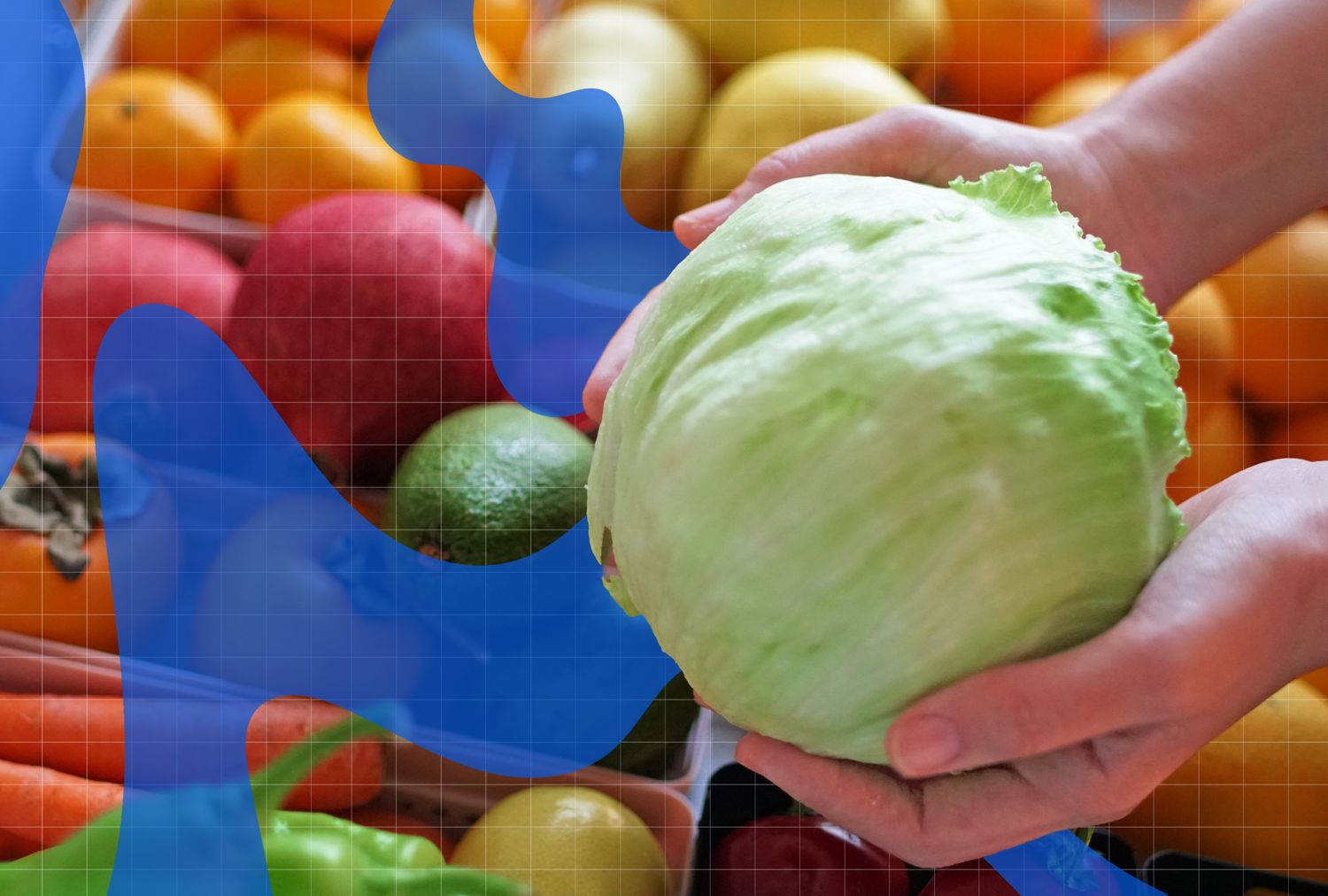
- To keep lettuce fresh, inspect the leaves closely while grocery shopping and skip any with signs of wilting or damage.
- Wait to wash your lettuce until just before using it, since excess moisture can encourage bacterial growth.
- Always handle lettuce with clean hands, utensils and cutting boards to avoid cross-contamination.
Lettuce adds crunch and fresh flavor to salads, sandwiches and more. But without proper storage, these delicate greens can wilt, lose their crispness or turn into a mushy mess—wasting both food and money. Here are five expert tips to help your lettuce last longer.
1. Look for Signs of Damage While Shopping
Storing tender greens properly starts with shopping smart at the grocery store, says Drew McDonald, senior vice president of quality and food safety at Taylor Farms. “Before you purchase and bring the product home, check that lettuce and salad greens are not bruised or damaged, and consider the expiration date,” McDonald says.
Check lettuce heads or packaged greens for wilting, dark spots or wet, mushy areas before putting them in your cart. Once home, toss any bruised or slimy leaves before using the rest.
2. Store It Properly After Opening
Smart storage can keep lettuce and other salad greens looking and tasting great for longer—but it’s a bit trickier than it seems. That’s because bagged head lettuce and salad mixes come in plastic films or containers that are designed to manage airflow and moisture levels. Each leafy green has packaging tailored to its needs, and once it’s opened, your lettuce’s days are numbered.
“The best-if-used-by date is a great guide, but it’s not an absolute,” McDonald says. “It’s not about extending the shelf life of your salad greens but, rather, maximizing it.” That means using greens as quickly as possible once you open the original packaging to reduce the risk of damage from oxidation, too much moisture or not enough humidity.
To help your lettuce last, transfer opened greens to a breathable container or a resealable bag lined with paper towels to absorb extra moisture. Store them in a crisper drawer and handle gently—this simple step can keep your lettuce fresh, crisp and ready to enjoy for several days.
3. Avoid Cross-Contamination
McDonald says that since lettuce and other salad greens are typically eaten raw, it’s essential to keep them from coming into contact with risky foods like raw meat, poultry, seafood or eggs—from checkout to your fridge. Before preparing lettuce, wash your hands and clean countertops, cutting boards and utensils with hot, soapy water, especially after handling raw foods.
“In other words, treat it like you would raw meat,” McDonald says. “Not because the produce is contaminated, but to avoid getting it contaminated.” If lettuce comes into contact with raw foods like meat or poultry, and is then refrigerated, it can become a breeding ground for bacteria—compromising both safety and quality. To stay safe, discard any produce that has been exposed to raw foods or left unrefrigerated for more than two hours after cutting, peeling or cooking.
4. Don’t Use Soap or Bleach
Despite concerns about food safety with fresh produce, you should never wash lettuce with soap or use bleach to disinfect it. In fact, doing so may cause more harm than good. “Never use soap or bleach to wash fresh fruits or vegetables, as these products are not intended for consumption,” warns McDonald. Instead, simply rinse the leaves under cold water to remove any debris.
5. Rinse Lettuce Just Before Use
If your lettuce needs rinsing, rinse only what you plan to use. Pre-rinsing the entire batch can leave excess moisture that encourages bacterial growth and causes the leaves to spoil faster. When you’re ready to enjoy it, McDonald recommends rinsing the whole heads of leafy greens—like iceberg, romaine and cabbage—under cool running water just before use, then gently patting them dry with a paper towel or clean kitchen towel.
Other Tips for Storing Lettuce
- Keep It Sealed. If you know you’re not going to use packaged lettuce or salad greens for a few days, keep the original packaging sealed in your refrigerator until you’re ready to use them. This will prevent oxidation, which can lead to faster spoilage.
- Skip Washing If It’s Prewashed. McDonald notes that it’s unnecessary to wash packaged produce that’s labeled with terms like “triple-washed,” “washed” or “ready-to-eat” before serving.
- Limit Air Exposure. To extend secondary shelf life, he recommends squeezing any excess air out of the package and rolling the bag down to avoid crushing the delicate leaves. Use a chip clip or tape to keep the bag closed.
- Only Take What You Need. “It is never recommended to replace unused produce back into its bag,” says McDonald. “This creates an opportunity for cross contamination.”
Our Expert Take
Storing lettuce properly can help maximize its freshness and reduce food waste. Start by carefully inspecting lettuce and other salad greens for quality and best-by dates as you shop. Keep lettuce and other fresh produce away from raw foods like meat or poultry—in your grocery bags, in the fridge and during food prep. Before handling lettuce, wash your hands, surfaces and utensils thoroughly with soap and warm water. Finally, keep the packaging sealed until you’re ready to use the lettuce to preserve its crispness. These simple steps can help keep your lettuce stay fresh longer to reduce food waste, save money and make your meals more enjoyable.
