

Key Takeaways
- Panic attacks come on suddenly and last for minutes, often with intense fear and physical symptoms.
- Anxiety builds gradually, lasting for months, and involves worry, restlessness, and fatigue.
- Talking to a doctor about your symptoms is the first step to finding relief.
You might hear the terms “anxiety attack” and “panic attack” used interchangeably. This is understandable, given that they share some common symptoms. However, behavioral health professionals use these terms for specific symptoms and disorders, and they have different features.
A panic attack is characterized by an abrupt surge of intense fear or discomfort accompanied by other physical and mental symptoms. Panic attacks are episodic and typically peak within minutes or hours.
Anxiety, on the other hand, is part of the emotional and protective responses hardwired into the human body. It becomes a problem when it’s longstanding, excessive, and disruptive to daily life—in which case, it’s termed an anxiety disorder. Although intense anxiety symptoms can feel like an attack, “anxiety attack” is not a recognized diagnosis.
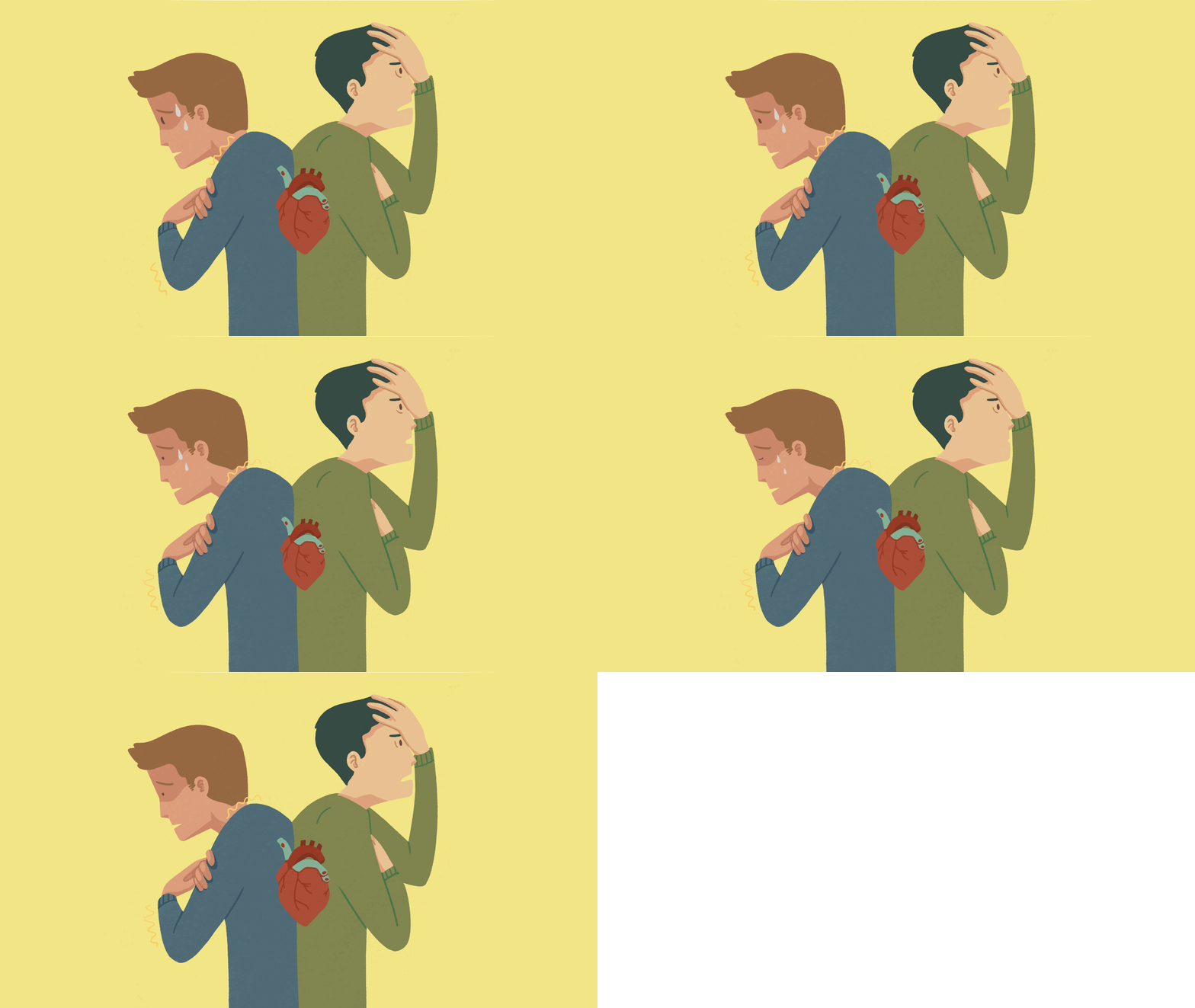
This article discusses panic attacks vs. anxiety attacks—their similarities, differences, definitions, symptoms, and treatments.
Verywell / Joshua Seong
Clinical Differences
Professionals who treat mental health conditions base a diagnosis on criteria found in the Diagnostic and Statistical Manual of Mental Disorders (5th edition), known as the DSM-5. Though anxiety and panic attacks may feel similar, the differences outlined in the DSM help identify and distinguish them. The definitions and diagnostic criteria in the DSM-5 guide a healthcare provider to make a diagnosis and classify your condition.
The differences between panic and anxiety are best described in terms of the intensity of the symptoms and the length of time the main symptoms occur. Panic attacks usually peak at around 10 minutes while anxiety can last for months.
Panic Attack
-
Sudden
-
Lasts for minutes
-
Shaking or trembling
-
Chest pain
-
Hot flashes
-
Sense of detachment
Anxiety
-
Gradually builds
-
Can last for months
-
Restlessness
-
Fatigue
-
Muscle tension
-
Irritability
Panic attacks are mainly associated with a condition known as panic disorder, though they may occur with other psychiatric disorders. It is also possible to have a panic attack if you have no disorder.
They differ from anxiety in that they are accompanied by symptoms such as:
- A sense of detachment from the world (derealization)
- A detachment from the self (depersonalization)
- The fear of dying or losing control
The term “anxiety attack,” on the other hand, is not defined in the DSM-5. Rather, “anxiety” is used to describe a core feature of several illnesses identified under the headings of anxiety disorders, obsessive-compulsive disorders, and trauma- and stressor-related disorders.
Anxiety is distinguished from a panic attack in that it includes symptoms such as apprehension and worry, but without the extreme fear and sense of detachment that occurs during a panic attack.
Some of the most common disorders under these three headings include:
Panic Attack
A panic attack is an intense and sudden feeling of fear, terror, or discomfort accompanied by several other mental and physical symptoms. The symptoms of panic attacks are often so extreme that they cause severe disruption. According to the DSM-5, a panic attack is characterized by four or more of the following symptoms.
Mental Symptoms
- Feelings of unreality (derealization)
- Feeling detached from oneself (depersonalization)
- Fear of losing control or going crazy
- Fear of dying
Physical Symptoms
- Chest pain
- Chills
- Excessive sweating
- Feeling of choking
- Feeling dizzy, unsteady, lightheaded, or faint
- Heart palpitations, pounding heart, or accelerated heart rate
- Hot flashes
- Nausea or abdominal distress
- Numbness or tingling sensations (paresthesias)
- Trembling or shaking
- Sensations of shortness of breath, difficulty breathing
Panic attacks usually occur out of the blue without an obvious, immediate trigger. In some cases, however, they are “expected” because the fear is caused by a known stressor, such as a phobia.
Panic attack symptoms peak within 10 minutes and then subside. However, some attacks may last longer or may occur in succession, making it difficult to determine when one attack ends and another begins. Following an attack, it is not unusual to feel stressed, worried, out-of-sorts, or on edge for the remainder of the day.
Anxiety
In contrast, anxiety generally intensifies over a period of time and is highly correlated with excessive worry about some potential danger—whether real or perceived. If the anticipation of something builds up and the high amount of stress reaches a level where it becomes overwhelming, it may feel like an “attack.” The symptoms of anxiety may include the following.
Mental Symptoms
Physical Symptoms
- Disturbed sleep
- Dizziness
- Fatigue
- Increased heart rate
- Increased startle response
- Muscle tension
While some of the symptoms of anxiety are similar to those associated with panic attacks, they are generally less intense. Unlike a panic attack, the symptoms of anxiety may be persistent and very long-lasting—days, weeks, or even months.
Diagnosis
Anxiety is one of the most common mental health conditions, affecting an estimated 19.1% of U.S. adults each year. In fact, all adults under the age of 65 should receive routine screening for anxiety per the recommendations of the United States Preventative Services Task Force.
While anxiety can have a significant impact on a person’s life, only around 20% of people who experience symptoms seek treatment.
Effective treatments are available that can improve outcomes and well-being, so it is important to talk to a doctor if you are having symptoms of anxiety or panic attacks. Because women are twice as likely as men to experience symptoms of anxiety, the Women’s Preventative Services Initiative now recommends anxiety screening for all women over the age of 13.
During an evaluation, the doctor will take a medical history, a physical exam, and may run lab tests to help rule out any medical illnesses that might be contributing to your symptoms.
A doctor or mental health professional will also ask questions about your symptoms including their intensity, duration, and impact on your normal daily functioning. Based on your evaluation, they may then make a diagnosis based on criteria found in the DSM-5.
Recap
Anxiety is a very common mental health condition that affects millions of Americans each year. Doctors often utilize screening tools to check for symptoms of anxiety. Diagnosing anxiety or panic attacks involves evaluating a person’s symptoms in terms of their impact, duration, and severity.
Get Help Now
We’ve tried, tested, and written unbiased reviews of the best online therapy programs including Talkspace, BetterHelp, and ReGain. Find out which option is the best for you.
Treatment for Panic and Anxiety
Whether you’re dealing with panic, persistent anxiety, or both, effective treatments are available. Some of the most common treatment options include therapy, prescription medications, and self-help strategies. You may decide to try one or a combination of these methods.
- Psychotherapy can help better you understand your symptoms, develop ways to manage them, work through past pain, determine your path for the future, and gain a clearer perspective that will allow for a more hopeful outlook.
- Medications can assist you in reducing your symptoms. They may only be needed for a short period of time to control symptoms while you work on the other long-term strategies.
- Self-help techniques, such as breathing exercises and progressive muscle relaxation, can also be beneficial in allowing you to work through symptom management at your own pace.
Verywell Mind uses only high-quality sources, including peer-reviewed studies, to support the facts within our articles. Read our editorial process to learn more about how we fact-check and keep our content accurate, reliable, and trustworthy.
Thanks for your feedback!
What is your feedback?
Helpful
Report an Error
Other
