

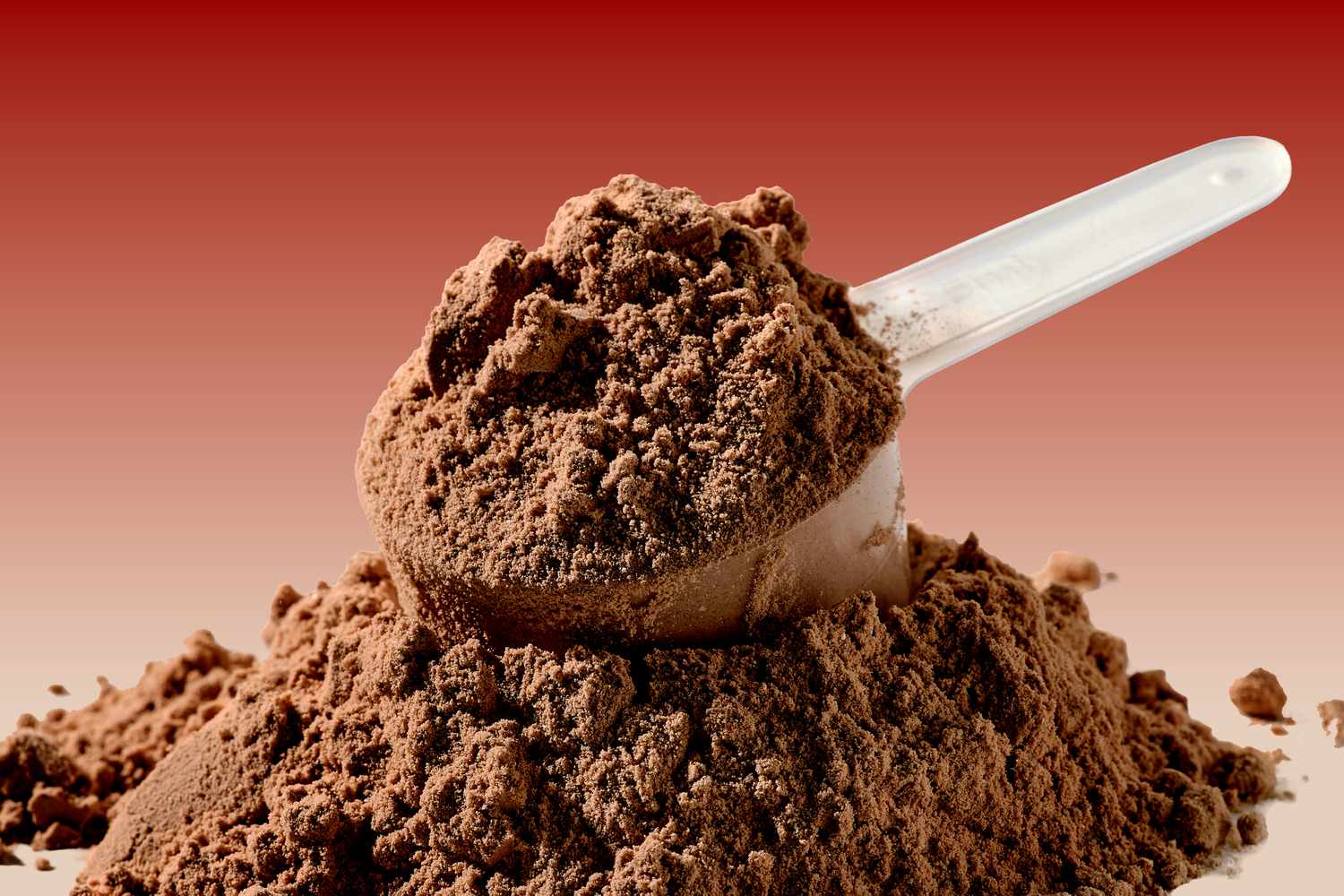
- Some protein powders, especially plant-based ones, may have trace amounts of heavy metals, like lead.
- Protein powders may also contain unnecessary ingredients, including added sugars, sweeteners and fillers.
- Choose protein powders from companies that are independently tested and transparent with their ingredients.
Protein powders are popular for their ease and convenience—just add a scoop to a shaker and you’re good to go. But as demand for supplements has grown, so have questions about what’s actually inside those tubs.
Independent lab tests and consumer watchdogs have found that some protein powders contain trace amounts of heavy metals such as lead, cadmium and arsenic. While these levels often fall below federal safety limits, repeated exposure from daily use can add up over time. So how concerned should you be—and how can you choose a product that’s both safe and effective? Here’s what nutrition experts want you to know.
Concerning Ingredients in Protein Powders
Heavy Metals
When you add a scoop of your favorite protein powder to your morning smoothie, you probably don’t think twice about what else might be inside—it’s just protein, right? But a recent report by Consumer Reports found that some protein powders, especially plant-based varieties, can contain trace amounts of heavy metals such as lead and cadmium.
Here’s the thing: It’s not that these brands are sneaking them in—they’re usually naturally occurring. These metals exist naturally in soil and water, and plants can absorb them as they grow. “Plant-based powders like those containing pea, rice or soy tend to have higher levels of heavy metals because plants absorb minerals directly from the soil,” says Jenny Finke, M.S., RDN. “Regional differences in soil composition and agricultural practices can also affect contamination levels,” adds Deepa Deshmukh, M.P.H., RDN, CDCES.
Dairy-based protein powders, such as whey and casein, generally test lower for heavy metals. Since they’re derived from milk rather than plants, they come from a more controlled and closely regulated food system that’s monitored for safety and quality.
But just exactly how much is too much? It depends on which standard you use. The Food and Drug Administration has established an interim reference level of 8.8 micrograms of lead per day for adults—an amount designed to keep blood lead levels below 3.5 mcg per deciliter and that already includes a 10-fold safety factor. However, California’s Proposition 65 sets a much stricter limit of just 0.5 micrograms per day, which is the reference limit Consumer Reports used.
When Consumer Reports tested 23 protein powders and shakes, more than two-thirds had heavy metals that exceeded the California guideline in a single serving. However, when using the FDA limits, none of the tested products surpassed those thresholds. Still, because small amounts of lead can accumulate from other food and beverages, it’s wise to choose options on the lower side.,
“There’s no truly safe amount of lead exposure, so it’s important to minimize your intake when you can control it,” says Finke. Being mindful of which protein powders you use—and how often you use them—can help. Opting for brands that undergo independent testing, such NSF certification, can also offer extra peace of mind.
Additives and Flavorings
Heavy metals aren’t the only thing to look out for in your protein powder. Some products come with a laundry list of sweeteners, thickeners and flavoring agents that add little nutritionally—and in some cases, may cause unwanted side effects. “Different types of protein powders vary in quality based on how they’re processed,” says Stacy Lofton, M.S., RD.
Some powders rely on added sugars or sugar alcohols to improve taste, while others use nonnutritive sweeteners, such as sucralose or stevia. For most people, these are fine in small amounts, but if you’re prone to bloating or digestive upset, sugar alcohols (such as erythritol or xylitol) may not agree with you.
Flavorings can also make a difference. Dessert-inspired flavors—think cookies and cream or birthday cake—often come with longer ingredient lists, higher sodium content and more added sugars or sweeteners. In some cases, the flavor choice may even influence heavy metal levels. Chocolate varieties, for example, tend to have higher lead and cadmium levels than vanilla or unflavored versions because cacao trees naturally absorb these metals from the soil, explains Finke. Still, these levels typically remain well below the FDA’s safety limits.
Inconsistent Regulation and Transparency
Even if you read every label carefully, there’s one important factor that’s harder for consumers to control. “The supplement industry lacks consistent regulation,” says Lofton, “and that can make it difficult for consumers to know whether a product has been tested for purity or contaminants.”
Protein powders are classified as dietary supplements, which means that, unlike food, they don’t need FDA approval before being sold. Manufacturers are responsible for their own quality and safety testing, and not all of them follow the same standards.
As a result, the amount of protein, vitamins or other nutrients listed on the label may not always match what’s in the scoop. In fact, independent investigations have found that some protein powders’ protein content can vary by about 5% to 10%.
Another concern is that without mandatory testing, contaminants such as heavy metals or undeclared ingredients can slip through undetected. While most companies aim to produce safe, high-quality products, the variability in manufacturing practices and lack of universal standards mean there’s no guarantee of safety.
For consumers, transparency is key. Brands that disclose their ingredient sourcing, processing methods and independent testing practices are typically the most trustworthy, explains Deshmukh.
How to Choose a Safe Protein Powder
While protein powders shouldn’t be your main source of protein, they can play a supportive role in helping you meet your protein needs. Here are some practical tips for choosing a safe, high-quality protein powder.
Look for Independent Testing
Independent testing is one of the best ways to confirm that what’s on the label matches what’s inside. “Consumers should look for third-party certification seals such as NSF Certified for Sport, USP Verified or Informed Choice,” says Deshmukh. “These indicate that the product has been tested for contaminants and ingredient accuracy.”
Manufacturers aren’t required to obtain independent verification or display the seal on their product label. When they do, it shows the company has voluntarily submitted its product for outside review—an extra step that signals transparency and quality.
Read the Ingredient List
A shorter ingredient list usually means fewer additives. “Look for a clearly named protein source, such as whey isolate or pea protein, rather than vague proprietary blends,” Lofton recommends. The protein source should appear first, followed by only a few other ingredients—like natural flavorings such as vanilla and cocoa. Skip powders with long lists of fillers, artificial flavorings or added sugars, which don’t improve nutrition and can add extra sodium, sugar and calories.
Choose Brands That Offer Transparency
Some companies go beyond independent testing and publish their test results online. Finke recommends looking for brands that share Certificates of Analysis (COAs), which show lab results for things like lead, cadmium and ingredient accuracy. “Brands that make these results public show a higher level of accountability, which instills trust with consumers,” she says.
High-Protein Recipes to Try
Our Expert Take
Protein powders are a convenient way to boost your intake, but they’re not risk-free. Look for products that are independently tested and transparent about their ingredients to help ensure safety and quality. Remember, protein powders are supplements—not replacements for whole, protein-rich foods like lean meats, fish, dairy, soy, beans, lentils and eggs. Knowing what to look for is the best way to ensure you’re choosing a protein powder that’s safe and right for you.
