

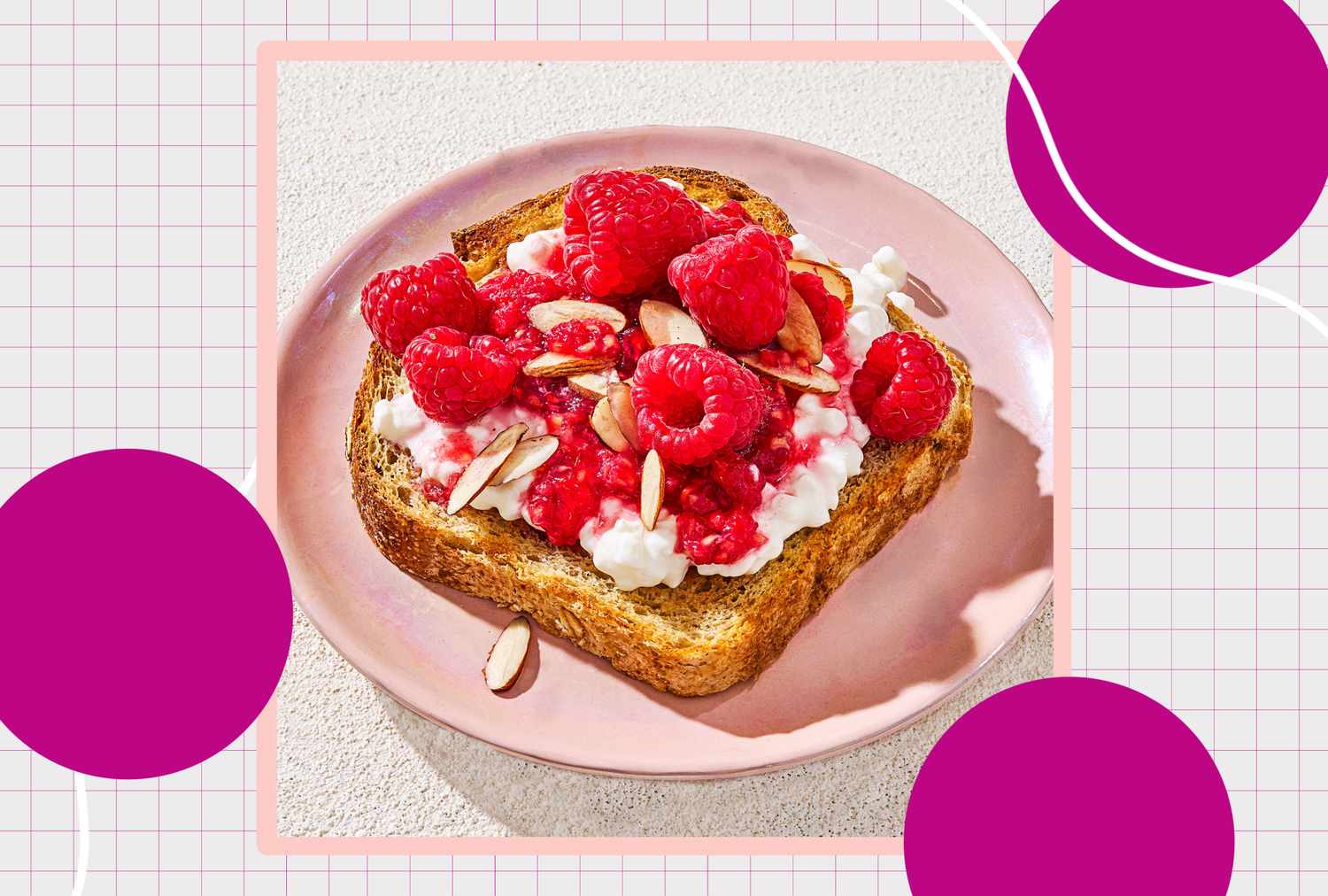
- Cottage cheese is a nutrient-packed, versatile ingredient that can be enjoyed in many dishes.
- Look for options with at least 12 grams of protein per serving, no more than 300 mg sodium and a fat content that suits your needs.
- Enjoy it on toast, mixed with eggs or on its own for a delicious, protein-rich snack.
Back in the ‘90s, my mom served cottage cheese with just about everything—even meatloaf. If you know, you know. For years, this humble dairy product didn’t exactly have the best reputation and was often dismissed as a boring, lumpy side. But thanks to a resurgence on social media, cottage cheese is having a major comeback. What was once a haphazard addition to meals is now showing up in everything from pasta sauce to ice cream.
Dietitians are fully on board with this trend. “I love using cottage cheese as a high-protein, calcium and vitamin D-rich addition to meals or snacks,” says Alexandria Hardy, RDN, LDN, highlighting its affordability, versatility and ability to pair with both savory and sweet dishes.
Brands have taken note of this popularity surge, and grocery store shelves are now bursting with options. While having more options is great, it can make choosing the right one a bit confusing. Should you focus on protein or fat? Sodium or sugar? We’ve asked dietitians to share their top tips for picking a cottage cheese that’s both delicious and nutritious.
What to Look For in Cottage Cheese
Look for 12 Grams of Protein or More per Serving
Protein is cottage cheese’s biggest selling point—and rightfully so. Most varieties provide 12 to 15 grams of protein per half-cup serving, making it an ideal portion for a protein-packed snack or addition to meals. The secret lies in the curds themselves: cottage cheese is essentially a bunch of clumps of protein-rich casein.
The benefits don’t stop there. Cottage cheese undergoes a fermentation process, which partially breaks down the casein into amino acids. This makes it easier and faster for your body to absorb, compared to other protein sources. Whether you’re looking to put on muscle, support metabolism or stay full longer, cottage cheese delivers on protein.
The protein content of cottage cheese can vary depending on its fat content. “Low-fat and fat-free options tend to have slightly more protein per half-cup than full-fat,” explains Sarah Anzlovar, M.S., RDN, LDN. So don’t be surprised if the same brand’s full-fat and low-fat cottage cheeses have slightly different values.
Look for 300 Milligrams of Sodium or Less
Salt is one of the key ingredients in cottage cheese, and it can be surprisingly high in some cases. “Sodium can vary widely, so if that’s a concern, look for ‘low-sodium’ or ‘reduced-sodium’ options under 300 mg per serving,” says Ana Riesdorf, M.S., RD.
If you have high blood pressure, kidney disease or are sensitive to salt, you’ll want to take a close look at the label before making your purchase. Some brands can contain over 500 mg of sodium per half-cup serving, or 22% of the Daily Value.
That said, low-sodium isn’t always necessary. “Endurance athletes and people who sweat a lot through movement may benefit from eating cottage cheese to replace the sodium they lose through sweat,” says Anzlovar. In addition to replenishing electrolytes, cottage cheese provides protein to support recovery, making it a practical post-workout snack.
Choose a Fat Content That Matches Your Goals
You can find cottage cheese offered in various fat levels, including fat-free (0%), low-fat (1%), reduced-fat (2%) and whole milk (4%). “Low-fat options are lower in calories, while full-fat options may increase satiety. Both can fit into a healthy plan, depending on your energy needs and preferences,” says Reisdorf.
Since fat adds 9 calories per gram, higher-fat versions are slightly higher in calories, but still relatively low for such a filling food. Full-fat cottage cheese provides around 120 calories per half-cup, compared to about 90 calories in low-fat varieties.,
Cottage cheese has even earned a reputation as a weight loss–friendly food, though most of the claims are anecdotal. While research specifically linking cottage cheese to weight loss is limited, its satiating nutrients—particularly casein protein and fat—may support appetite control and overall calorie management.
Look for Other Beneficial Ingredients
Beyond the basics of protein, fat and carbohydrates, some cottage cheese brands feature additional benefits worth checking out.
For instance, some brands have embraced the gut-health trend by adding probiotics, says Anzlovar. While many cottage cheese brands are made through a fermentation process, not all of them will contain probiotics. To be sure, look on the label for “live and active cultures,” which indicates the product has undergone a heat-sensitive process to protect and preserve these beneficial bacteria.
Check for Unwanted Ingredients
Whether for health or personal preference, you may wish to avoid certain ingredients in cottage cheese.
One common concern is lactose, which some people have difficulty digesting. Although cottage cheese generally contains less lactose than milk and other dairy products, it may not be suitable for individuals who are highly sensitive. Cottage cheese labeled as “lactose-free” will have a lactase enzyme added to it, so the lactose is already broken down before you eat it.
If you’re hoping for a more “natural” cottage cheese, “check the ingredient list for gums, starches or thickeners like carrageenan or modified food starch,” says Reisdorf. Many high-quality cottage cheese brands are made with just milk, cream, salt and live cultures.
Easy Ways to Eat Cottage Cheese
Now that you’ve got the right cottage cheese for your goals and tastes, here are some dietitian-approved ways to add it to your meals and snacks:
- Paired with Whole-Grain Crackers. Anzlovar recommends using cottage cheese as a dip with whole-grain crackers for a balance of protein and fiber to stay full and help regulate your blood sugar between meals.
- Served on Toast. “In the morning, I eat it on top of whole-grain toast with dill and cucumbers. The cucumber gives it a nice crunch, while the dill adds a fresh, satisfying flavor,” says Anzlovar. Or, try a sweeter cottage cheese toast with blueberries and pistachios for a blood sugar–friendly breakfast.
- Mixed into Eggs. For extra-creamy, fluffy scrambled eggs with a protein boost, Anzlovar recommends whisking a spoonful of cottage cheese into your eggs.
- As a Meat Alternative. Hardy recommends adding cottage cheese to grain bowls or salads for a meatless protein boost. “It’s especially good with tomatoes, cucumbers, sunflower seeds and Italian dressing,” says Hardy, describing the combo as a “texture-lover’s dream with the perfect mix of creamy and crunchy in each bite.”
- Mixed into Pasta Sauce: Give your next pasta dish a texture and nutrient boost. Keelin Murphy, M.S., RDN, recommends adding cottage cheese to pasta sauce as it simmers on the stove. Not only does the cottage cheese create a creamy texture, but it also adds extra protein to the dish, which can help slow down the digestion of carbohydrates in pasta.
- Enjoyed by Itself. Cottage cheese tastes great as a snack on its own. Try adding some fresh fruit, or combine it with tomatoes and a little black pepper.
- Blended in a Smoothie. Instead of protein powder, try adding cottage cheese to any smoothie. It adds texture and is a great protein boost.
Our Expert Take
Cottage cheese is an affordable, versatile and nutrient-dense food that can support a variety of health goals—from building muscle and strong bones to supporting your gut health. With so many options available, it’s worth checking the label for protein content, sodium, fat and any additional features such as probiotics, lactose or the types of additives used.
It works well in both sweet and savory dishes, making it easy to enjoy on toast, in egg dishes or simply as a snack on its own. No matter how you eat it, you can feel confident adding cottage cheese to your cart.
