

- Microplastics are found in surprising items, from paper cups to toothpaste.
- While the health risks remain debated, experts suggest ways to limit your exposure.
- Choosing glass, stainless steel and ceramics can help reduce your intake.
A few years back, there was a surge of concern around BPAs. Then the focus shifted to phthalates. While those chemicals haven’t disappeared from the conversation—or from our lives—there’s a new concern drawing attention: microplastics. Over the past few years, these tiny plastic particles have sparked growing interest and worry, especially when it comes to our food and health.
But how concerned should we actually be? Could microplastics really end up in our bodies, or even our brains? And if so, what does that mean for our health? We spoke with three experts to understand where microplastics show up, what the research says and practical ways to limit our exposure.
What Are Microplastics?
Microplastics are defined as “small pieces of plastic, less than 5 mm (0.2 inch) in length, that occur in the environment as a consequence of plastic pollution.” The Food and Drug Administration (FDA) says that while there might be microplastics in some of our food due to where it was grown or how it was packaged, “Current scientific evidence does not demonstrate that levels of microplastics or nanoplastics detected in foods pose a risk to human health.”
The science of microplastics is nothing new, says chemist Chris DeArmitt, Ph.D., FRSC, FIMM. “We have 50 years of studies and over 2,000 peer-reviewed articles on it already,” he elucidates. According to DeArmitt, plastic is so widespread that it’s even present in the dust we breathe. In his view, avoiding it entirely isn’t realistic. Still, the potential health effects of microplastic exposure remain a topic of ongoing debate.
One study suggested a possible link between the amount of microplastics in the brain and dementia diagnoses. However, DeArmitt questions the study’s methodology, particularly how plastic residue was detected. “Exposure is incredibly low and it’s non-toxic, according to the science and the FDA,” he says. Even so, minimizing exposure where possible might offer peace of mind—and it doesn’t have to be difficult. Here are a few unexpected sources of microplastics, plus simple ways to avoid them.
1. Paper Cups & Takeout Containers
You might think you’re avoiding microplastics by choosing a paper cup at your local café or bringing home leftovers in a paper container. But many paper receptacles are actually lined with polyethylene and other plastic-based coatings to help prevent leaks and maintain their structure. When heat is applied—say, from a steaming cup of coffee or hot leftovers—these coatings can leach plastic particles into your food or drink.
“Whenever heat is contacting the plastic, it increases the release of microplastics and other potentially harmful chemicals from the plastic,” says Avery Zenker, RD. “So using reusable cups made of food-grade stainless steel, glass and ceramic are great alternatives.” The same goes for food you plan to eat again later, especially if you’re going to heat them in the container you stored it in.
2. Tea Bags
A healthy cup of tea seems like a natural choice for unwinding after a long day, but how you brew it can make a difference. According to one study, a single tea bag can release up to 11.6 billion microplastics. Ella Davar, RD, explains that many tea bags are made of fabrics like nylon or plastics. Even the bags that appear to be paper are often sealed or webbed with plastic.
“You have to analyze your risk and benefit analysis,” says Davar. “If you use tea bags once in a while when you travel and there’s no way to get loose-leaf tea, that’s fine. But at home, I would recommend people using a good old-fashioned teapot or a stainless steel tea ball to minimize your exposure.”
3. Toothpaste & Toothbrushes
Davar also mentions that, “Some toothpastes still contain microbeads that could lead to exposure [to microplastics].” And it’s not just toothpaste—research shows that toothbrushes, floss and even orthodontic implants can contribute to microplastic exposure in the mouth.
While some brands now offer microplastic-free options, like toothpaste tablets and powders, you can also try making your own. A simple mix of baking soda and water forms a paste, which you can customize with essential oils like peppermint for a refreshing flavor. That said, be sure to check with a dentist to make sure this option is right for you.
4. Seafood
Zenker says not to overlook the potential microplastics on your plate, even if your dinner is wild-caught. “Microplastics from the ocean accumulate in marine life, which are then consumed by humans,” she explains. One notorious 2024 study found that 180 out of 182 samples of seafood collected on Oregon’s Pacific coast—including black rockfish, lingcod, Chinook salmon, Pacific herring, Pacific lamprey and pink shrimp—tested positive for plastic contamination. The best way to avoid it? Limit your seafood consumption.
That said, seafood remains a rich source of nutrients with well-established health benefits, including anti-inflammatory omega-3 fatty acids. While researchers continue to investigate the long-term health effects of microplastics—particularly from food sources like seafood—there’s still a lot we don’t know. If you’re concerned about exposure, consider speaking with a registered dietitian for personalized advice.
5. Salt
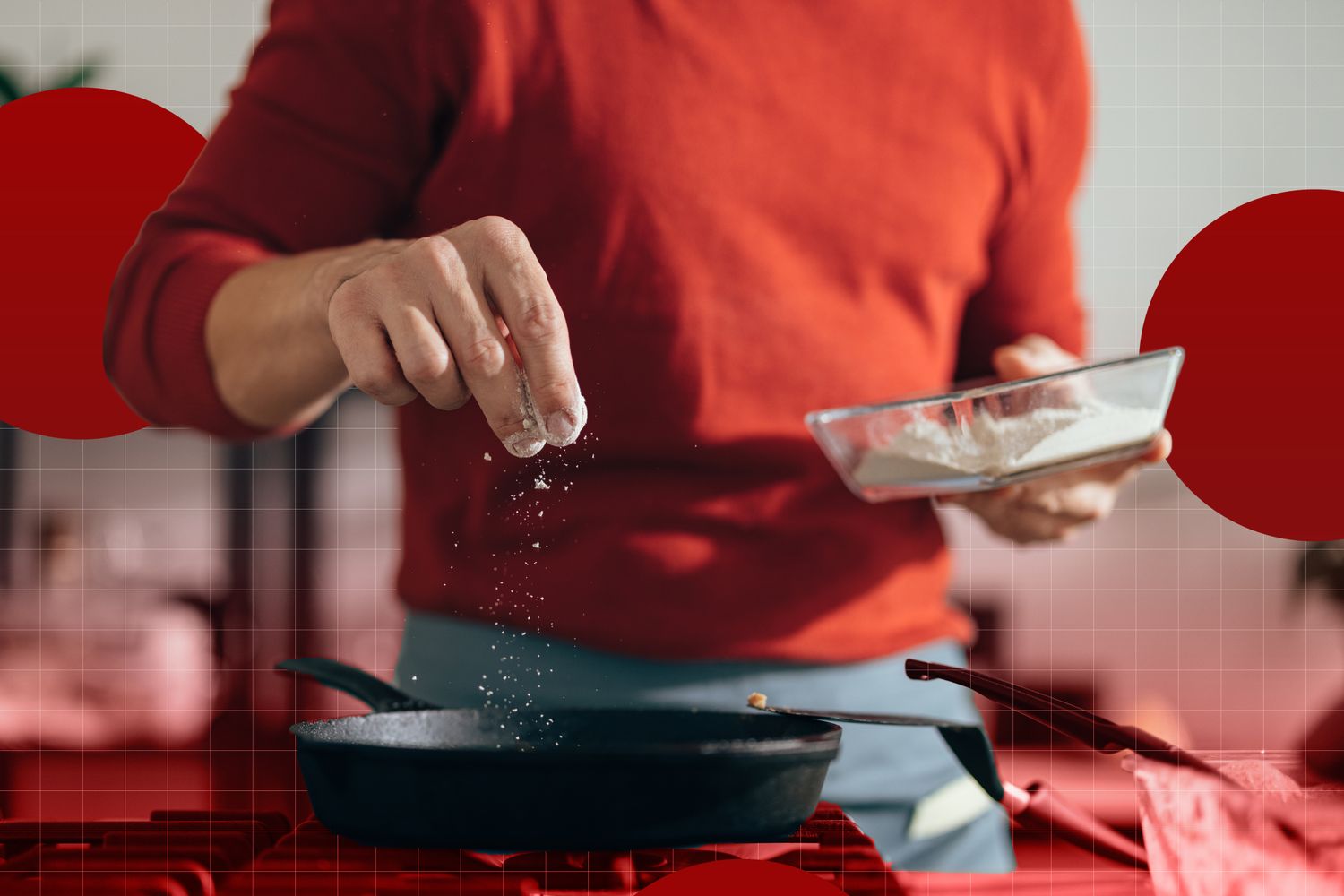
Given what research has found about seafood, iit may not come as a surprise that microplastics have also been detected in sea salt. But as Zenker points out, they’re not limited to ocean-sourced products. “It’s also been found in other types, even in table salt and Himalayan salt,” she says. In fact, one study found that Himalayan pink salt had the highest occurrence of microplastics of all the salts they tested. Black salt was second, meaning terrestrial salts were actually higher in microplastics than sea salts.
Excessive sodium intake—from salt or otherwise—can increase high blood pressure risk. So to lower your exposure and support a healthier heart, try to limit your intake. Herbs and spices are great flavor-enhancing alternatives.
6. Clothing
You might not think twice about tossing on your favorite workout gear, but Davar suggests it’s worth some consideration. Many athletic and everyday clothes are made from synthetic fabrics like polyester, acrylic and nylon. When washed, these materials can shed microplastics, some of which may be absorbed through the skin. While replacing your entire wardrobe with natural fibers isn’t realistic for everyone, being mindful of fabric choices—especially when shopping for new clothes—can be a helpful step if you’re concerned about exposure.
Our Expert Take
So, can we really avoid microplastics? “Not unless you want to stop breathing and eating and close your eyes,” jokes DeArmitt. But we can limit our exposure to microplastic particles. Davar highlights that it’s possible to avoid using plastic at home in favor of ceramics and glass, natural-fiber clothing and wood kitchen tools. How harmful microplastics might be is still controversial. As DeArmitt points out, even the FDA doesn’t yet want to raise the alarm. But making some of these simple swaps likely won’t harm you and may even benefit your health in the long run.
