

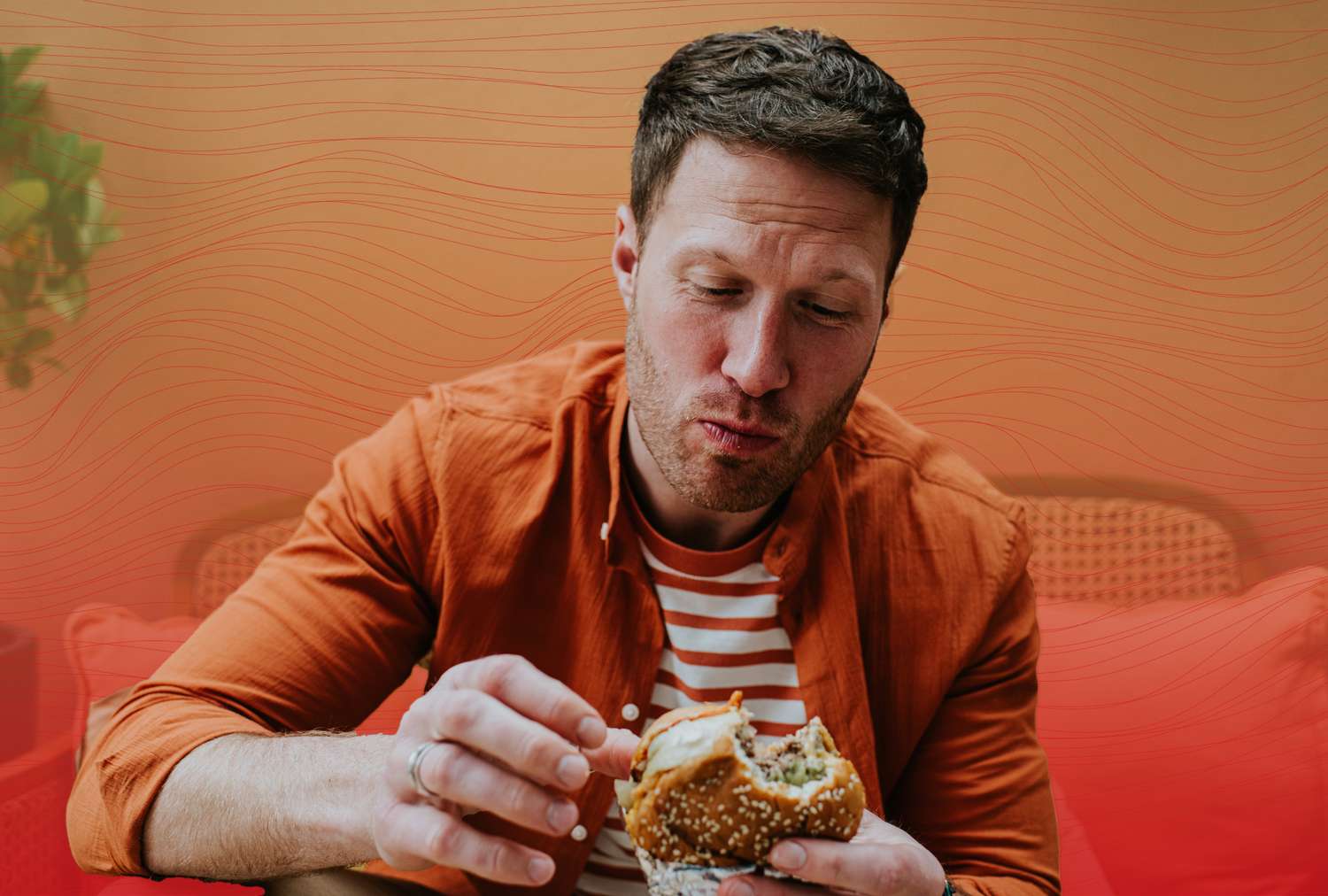
- A Western-style diet can quietly raise cancer risk, but small food swaps help lower it.
- Reducing intake of processed meats and high-sugar drinks can ease inflammation and support gut health.
- Limiting red meat and choosing more whole foods may help reduce long-term cancer risk.
You may not think of food as a primary factor in cancer risk, but research shows that our dietary choices can play a quiet yet powerful role in shaping long-term health. The typical Western diet—high in processed foods, red meats, refined grains and sugar-sweetened beverages—has been associated with an increased risk of certain cancers. It’s also typically low in fruits, vegetables and whole grains, which are rich in fiber and nutrients linked to a reduced risk of cancer. “A Western dietary pattern quietly raises cancer risk by 10% to 30% for colorectal, breast, prostate and pancreatic cancers” says Kari Hamrick, Ph.D., RDN.
While cancer risk depends on many factors beyond specific foods, small dietary shifts can help us enjoy our favorite meals without nudging our risk upward. We spoke with two experts to share which foods may raise cancer risk and simple swaps to enjoy instead.
1. Processed Meats
The International Agency for Research on Cancer classifies processed meats like deli meats, bacon, sausage and hot dogs as a Group 1 carcinogen. “Nitrites, whether synthetic or natural (like celery powder), that are added to preserve meats can form compounds in the gut, which can damage cells, especially in the intestine,” says Krystle Zuniga, Ph.D., RD, CSO, an oncology dietitian. Hamrick adds, “One fact that still shocks people when I say it out loud: Just two strips of bacon or one hot dog a day raises your colorectal cancer risk by nearly 20%. That’s the same statistical ballpark as smoking for lung cancer.”
There are still ways to enjoy your favorite flavors and minimize the health risk. Hamrick suggests, “Trade processed meats with turkey or chicken breast, wild salmon, sustainably caught canned tuna or hummus for sandwiches or wraps.” Zuniga recommends, “Swap processed meats for tuna salad, egg salad, chickpea salad or homemade chicken salad. I suggest people focus on beneficial things they can add rather than restriction.”
Adding more fiber to your diet helps support a healthy gut and encourages a diverse microbiome—factors that play a role in reducing inflammation and may help lower the conditions that allow carcinogens to form. If processed meat is part of your daily routine, consider a gradual shift. “Even lowering intake by incorporating a ‘meatless Monday’ can reduce carcinogens for an 18% decrease in colorectal cancer risk,” notes Hamrick.
2. Sugar-Sweetened Beverages
The occasional soda can fit into a healthy diet, but regularly drinking sugar-sweetened beverages can add up more than we realize. While these drinks aren’t carcinogenic themselves, excess intake can lead to weight gain over time—a factor linked to an increased risk of metabolic conditions and certain cancers. “High-sugar drinks, such as soda, energy drinks, sports drinks and even the sweetened oat-milk lattes, can trigger a massive insulin and IGF-1 surge that tells cells to grow and divide faster, which can fuel inflammation and add fat around your organs,” says Hamrick. For a carbonated swap, try a flavored sparkling water with citrus slices or a splash of 100% fruit juice.
Zuniga also commented on the myth that sugar feeds cancer. “While excess refined carbohydrates can contribute to weight gain and poor metabolic health, which are linked to cancer risk, sugar itself does not directly cause cancer. Sugar also does not uniquely ‘feed’ cancer cells.” And while we’re debunking this myth, it’s important to touch on artificial sweeteners. Current research, including a large 2023 review, continues to show no evidence that commonly used artificial sweeteners increase cancer risk. Likewise, the Food and Drug Administration concludes that aspartame is safe under approved conditions, noting that its Acceptable Daily Intake includes a built-in ten-fold safety margin. While it’s more than OK to enjoy a sweet drink in moderation, we should aim to limit our added sugar intake. The 2020-2025 Dietary Guidelines for Americans recommends no more than 10% of daily calories be from added sugar. This equates to no more than 50 grams—or 12 teaspoons—on a 2,000-calorie diet.
3. Red Meat
Red meats like beef, pork and lamb, regardless of whether they’re organic or grass-fed, are linked to a higher risk of colorectal cancer. “Red meat was determined to be a Group 2 carcinogen by IARC, meaning it is “probably carcinogenic for humans. Studies show, when meat is cooked at high temperatures, carcinogenic byproducts like heterocyclic aromatic amines (HAAs) and polycyclic aromatic hydrocarbons (PAHs) can form,” says Zuniga. Once metabolized in the body, these compounds may bind to DNA and cause mutations. Over time, this kind of cellular damage can interfere with normal cell function and potentially increase cancer risk.
“Keep consumption of red meat to no more than two to three times per week. My motto is marinate it, don’t incinerate it,” recommends Hamrick, “Research shows that a simple 30-minute marinade with rosemary, garlic, olive oil or even just lemon juice can slash HAA formation by up to 90%.” Try different cooking methods like air-frying or baking versus grilling to help minimize the time meat spends at high temperatures. Most days, opt for another protein such as fish, chicken or plant-based proteins like beans, lentils and tofu. Including fiber, especially with meals that do include red meat, can also help lower cancer risk by supporting healthy digestion, feeding beneficial gut bacteria and reducing the formation of harmful compounds in the colon.
Our Expert Take
While certain foods—such as processed meat, sugar-sweetened beverages and red meat—may raise cancer risk, simple everyday swaps can make a meaningful difference. Choosing whole foods like turkey, salmon or beans in place of processed meats, opting for sparkling water instead of soda, and limiting red meat (and cooking it wisely) can all help lower exposure to harmful compounds.
Beyond individual swaps, one of the most powerful, well-established cancer-protective habits is adding colorful nutrients into your diet. Fruits and vegetables are packed full of antioxidants, polyphenols and phytochemicals. “They act like an internal cleanup crew: neutralizing free radicals, dialing down inflammation, repairing DNA and even telling precancerous cells to self-destruct,” say Hamrick.
Lifestyle habits matter, too. Regular physical activity has been consistently linked to lower cancer risk for several types of cancers. The American Cancer Society recommends aiming for at least 150 minutes of moderate-intensity exercise weekly. Over time, our overall lifestyle can make a big difference when it comes to health and longevity.
