

- Calcium is an important mineral that supports healthy bones, muscles and overall health.
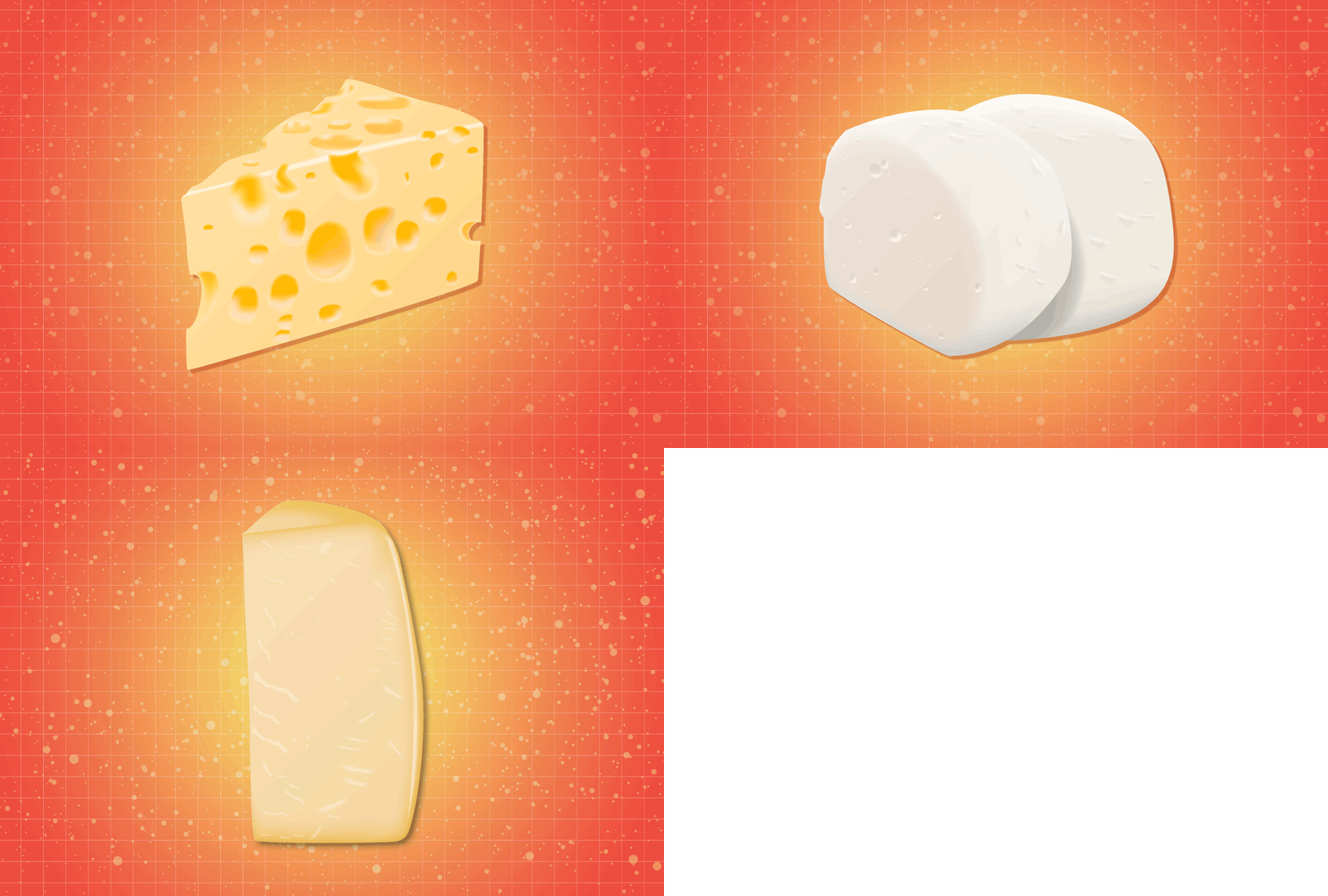
- Parmesan, Cheddar, Colby Jack, Swiss, feta and other popular cheeses are tasty and rich in calcium.
- Along with calcium, cheese is high in protein to keep you full and satisfied.
Cheese isn’t just delicious; it’s also a calcium powerhouse. This essential mineral supports many aspects of health, including strong bones and muscles needed for healthy aging.
In the U.S., around one-third of our calcium intake comes from cheese. That’s not a bad thing at all—cheese is a great way to bone up (pun intended) on the mineral and is highly bioavailable. “Calcium from dairy is easier for your body to absorb compared to nondairy sources,” says Amy Stephens, M.S., RDN, CSSD.
Which cheeses pack the most calcium? The Daily Value for calcium is 1,300 milligrams per day. That means that a cheese that provides at least 130 mg of calcium per ounce is a moderate source, while over 260 mg per ounce is high. We rounded up nine calcium-rich cheeses, ranked highest to lowest here, to help you reach your calcium goals, one tasty bite at a time.
1. Parmesan
Calcium: 335 mg per ounce, per the USDA.
Say when! Whether you like it sprinkled on pasta or shaved over a salad, Parmesan offers an umami-rich burst of flavor. It’s also an excellent source of calcium, offering 26% of the DV. Another bonus: “Hard cheeses like Parmesan are lower in lactose. If you have lactose intolerance, you might be able to tolerate Parmesan well,” says Stephens.
2. Swiss
Calcium: 252 mg per ounce, per the USDA.
No holes here: Swiss isn’t just tasty, it provides 19% of the DV for calcium and is low in sodium. One ounce has just 53 mg of sodium, far less than many other popular cheeses. “This is a great option to get the most nutritional bang for your buck,” says Sarah Schlichter, M.P.H., RDN. For people watching their blood pressure, its low sodium makes it an especially smart choice.
3. Mozzarella
Calcium: 222 mg per ounce, per the USDA.
Mozzarella is famous for its melt and cheesy “pull,” but it’s also a great source of calcium. Whether shredded on a pizza, in “cheese stick” form or sliced thick, it’s an easy way to boost your calcium intake. It’s also lower in saturated fat compared to other cheeses—just under 3 grams per ounce compared with nearly 6 grams in Colby Jack. For optimal heart health, the American Heart Association recommends limiting your saturated fat intake to no more than 10% of total daily calories, or as low as 6% in those who need to lower their cholesterol. So, this cheese is a great option for both calcium and heart health.
4. Hard Goat Cheese
Calcium: 254 mg per ounce, per the USDA.
There’s a trick to getting the most calcium from goat cheese: go for a hard variety. Soft goat cheese is more common, but it’s low in calcium—just 40 mg per ounce. Hard goat cheese, on the other hand, packs over six times that amount. It’s great cubed into a salad with kale and apples or sliced to enjoy with whole-grain crackers as a snack.
5. Provolone
Calcium: 214 mg per ounce, per the USDA.
Provolone is a classic slice to put on a sandwich—and a good source of calcium. For a twist, Schlichter recommends melting it into eggs for a protein-packed breakfast (7 grams per 1-ounce serving) or pairing a slice with fruit, nuts and crackers on a snack board.
6. Cheddar
Calcium: 199 mg per ounce, per the USDA.
“Cheddar melts really nicely over pretty much anything,” says Stephens. For picky eaters, sprinkle it over cooked vegetables like broccoli to boost flavor and pack in nutrition. It provides a good source of calcium and protein, offering 15% the DV of calcium and 7 grams of protein per ounce. Cheddar is also versatile, pairing well in soups, sandwiches, salads or with a veggie tray.
7. Gouda
Calcium: 198 mg per ounce, per the USDA.
This Dutch-style semi-hard cheese is a good source of calcium, providing 15% of the DV per ounce. Smoked Gouda is perfect in pasta salads, sliced on sandwiches or adds great flavor to grilled cheese, mac and cheese, and dips.
8. Colby Jack
Calcium: 198 mg per ounce, per the USDA.
Often a crowd-pleaser for its mild taste and creamy texture, Colby Jack provides 15% of the DV for calcium per ounce. It’s also relatively low in sodium—just 179 mg per ounce or 8% of the DV—making it another smart choice for those watching their salt intake.
Colby Jack can be enjoyed in many ways, including sandwiches, wraps, grilled cheese or paired with fruit for a snack.
9. Feta
Calcium: 140 mg per ounce, per the USDA.
Feta is a staple of the Mediterranean diet and is packed with flavor, so a little goes a long way. It’s also a good source of calcium, offering around 11% of the DV per ounce. “I’ve been making baked chicken, veggies and feta for a meal that provides high-quality calcium,” says Stephens.
Other Calcium-Rich Foods
Good news: If you’re avoiding dairy, or cheese just isn’t your thing, there are many other calcium-rich foods to eat. Here are some other high-calcium foods you can add to your rotation:
- Tofu (made with calcium salts)
- Fortified plant-based milks (e.g., soy, almond, oat)
- Canned salmon and bone-in sardines
- Beans (e.g., white beans, edamame, black beans)
- Nuts and seeds (e.g., chia seeds, sesame seeds, almonds)
- Leafy greens (e.g., spinach, turnip greens, kale, bok choy)
- Fortified cereals
Our Expert Take
Cheese isn’t just delicious, it’s packed with nutrition, especially calcium, which supports bone, heart, muscle and overall health. Parmesan leads the pack, but other cheeses like mozzarella, provolone, Cheddar and Swiss also are great options. Plus, cheese is packed with protein to keep you full and satisfied. So, next time you reach for a cheese board or slice for your sandwich, you’re not just indulging—you’re giving your body a calcium boost.
