

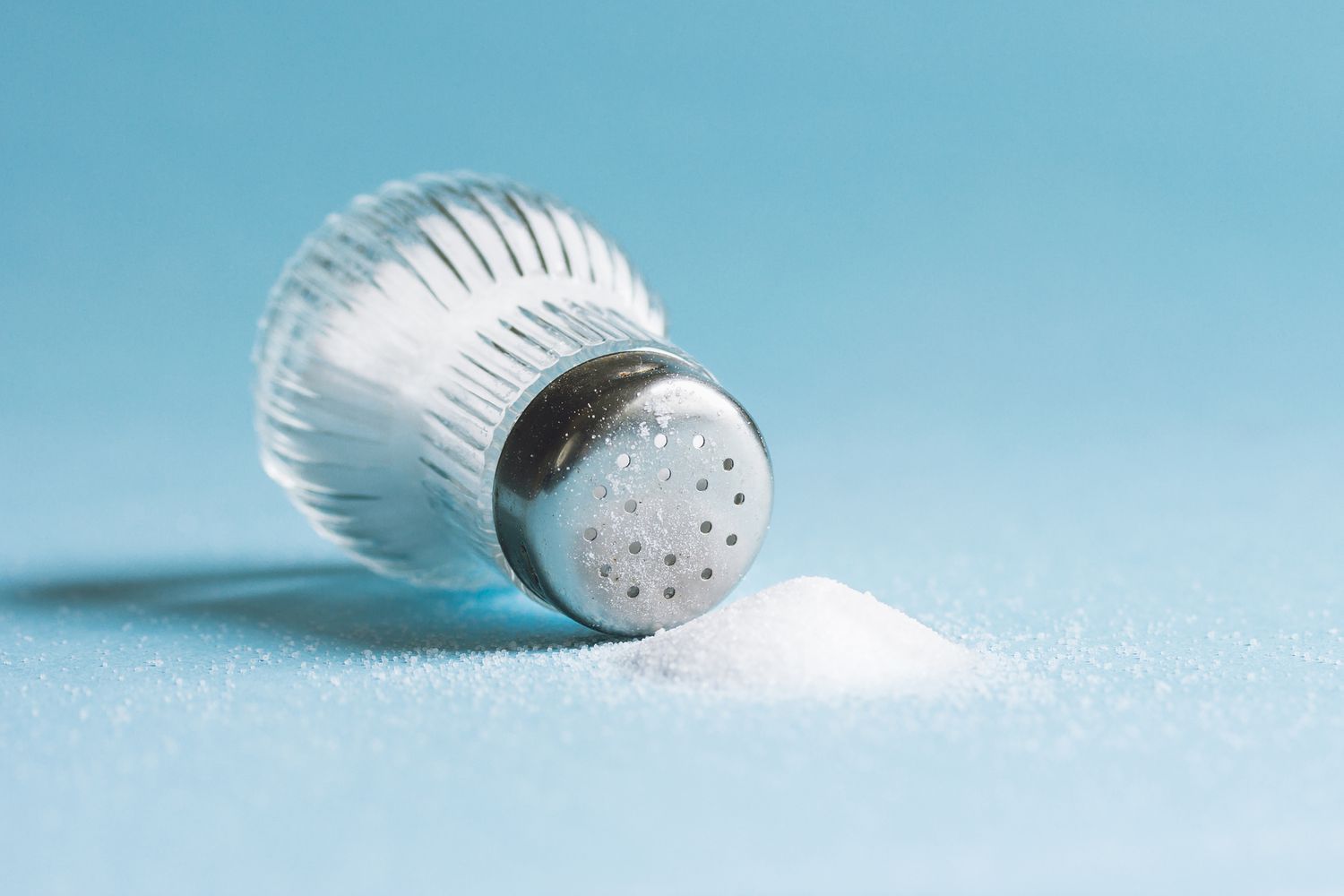
- Salt and sodium differ, and understanding that helps you manage daily intake.
- Most sodium comes from packaged foods, so checking labels is key for cutting back.
- Small sodium cuts can lower blood pressure and support long-term heart health.
You don’t just like salt—your body actually needs it. Sodium is an essential nutrient the body can’t make, so you have to get it from food to support key functions that keep you healthy each day. That part often surprises people. The upside is it’s easy to find and adds great flavor. The downside is that too much can work against your health. That push and pull—necessary yet potentially harmful—is what makes sodium tricky.
Here’s where clarity helps. Understanding the difference between salt and sodium lets you navigate your food choices with more confidence and protects you from problems linked to excess sodium.
Salt and Sodium Aren’t the Same
“Sodium and salt are often used interchangeably, but they’re not the same thing,” explains Sharon Small, M.P.H., RD, LD, a hospital-based cardiovascular and outpatient counseling dietitian. Sodium is a mineral and a key component of salt. Salt is actually called sodium chloride because it is made up of 40% sodium and 60% chloride. This distinction matters because while your body needs sodium to function properly, too much (typically consumed as salt) can increase the risk of certain health issues.
Nikki Bart, MD, PhD, stresses that the two terms aren’t interchangeable, saying, “Understanding the proper nomenclature is crucial for clear communication about dietary needs and health risks.”
What’s Salt?
In its natural state, salt is a mineral that can help preserve food and enhance its flavor. “Bacteria cannot thrive in high concentrations of salt,” Lena Beal, M.S., RDN. LD, points out. Salt’s antibacterial properties have been used for centuries in food preservation.
Historically, salt has played an essential role in human civilization, enabling safe food storage before refrigeration. “Salt’s importance in food preservation cannot be understated,” notes Bart. “It’s not just about taste—salt also stabilizes and prolongs the shelf life of food.”
What’s Sodium?
Sodium isn’t just about seasoning your dishes. It plays a vital role in your body, from regulating fluids and balancing electrolytes to managing blood pressure, to name a few. “Sodium is essential for helping pump water in and out of cells and helping regulate cardiac function,” explains Jen Nguyen, RDN. Beal adds, “In addition to helping nerve impulses and muscle contractions, it’s vital for our entire circulatory system’s balance.”
Since sodium plays such a critical role in the body, Bart warns of the rare but dangerous condition called hyponatremia. Hyponatremia, or low sodium, develops when the body loses too much sodium through excessive sweating, vomiting or diarrhea. “Awareness is crucial, especially during flu season or after intense physical activity,” she advises.
Understanding Your Sodium Intake
On average, American adults consume about 3,400 milligrams of sodium daily, which is significantly above the recommended limit. The 2020-2025 Dietary Guidelines for Americans recommends limiting sodium intake to less than 2,300 mg per day—equal to about one teaspoon of table salt. However, the American Heart Association recommends a stricter limit of no more than 1,500 mg per day for most adults.
“A staggering 70-plus percent of this intake comes from packaged foods and restaurant meals,” Bart notes. Other high-sodium foods include “Smoked, cured, salted, and canned meats, along with seasonings and packaged mixes,” adds Beal.
Top Food Sources of Sodium in the U.S.
More than 40% of the sodium comes from just 10 types of foods:
- Breads and rolls
- Pizza
- Sandwiches
- Cold cuts and cured meats
- Soups
- Burritos and tacos
- Savory snacks like chips, snack mixes, pretzels, seasoned popcorn, crackers
- Chicken
- Cheese
- Eggs and omelets
A tricky part of managing sodium is its hidden presence in foods you wouldn’t normally think of as salty. “It’s not just about the saltshaker on your table; it’s the invisible sodium in processed and convenience foods that adds up,” explains Smalling.
And while most people associate sodium with table salt, it can also be found in other food items that often go unnoticed. Therefore, it’s crucial to be mindful of the sodium content in your daily diet.
The Health Risks of Too Much Sodium
Too much sodium increases the risk of high blood pressure along with cardiovascular problems such as heart disease and stroke. “High blood pressure, kidney stones, water retention and heart disease are just the start,” warns Beal. These conditions underline the silent but serious impact of too much sodium in the diet: “The problem with too much sodium is that it’s often silent—you don’t really feel any different—making it crucial for individuals to be proactive about their intake to prevent chronic high blood pressure and its complications,” cautions Bart.
Smalling points out the immediate effects of a high-sodium meal, such as swollen hands and feet due to fluid retention. “It’s a sign that your kidneys and heart are working overtime,” she says.
“Excessive sodium consumption is a well-established risk factor for hypertension, heart disease and kidney damage,” Bart explains. A review notes that reducing sodium intake should be part of a first-line therapy for high blood pressure. Research has found that even a 10-point drop in systolic blood pressure (the first number in your blood pressure reading) can decrease heart disease events by 20% to 30%.
Beal advises, “Individuals with pre-existing conditions such as heart failure or kidney disease need to be particularly vigilant about their sodium intake.”
EatingWell
Tips to Reduce Sodium
Reducing sodium intake doesn’t have to be daunting. Beal suggests focusing on shopping, cooking and dining out strategies.
Shop Smart
“Start with reading labels carefully and choosing fresh ingredients. Use herbs, spices and other natural flavor enhancers in place of salt when cooking,” Beal says.
Nguyen adds, “Learning about sodium equivalents and using low-sodium alternatives can empower individuals to make healthier choices, as well as selecting restaurants that offer clear nutritional information.”
Also, opting for fresh or frozen vegetables over canned ones, choosing low-sodium versions of favorite products, and being cautious with condiments can significantly impact your sodium intake. That said, there are many no-added-salt canned great options available.
Dining Out with Care
When dining out, Beal recommends asking for sauces on the side and controlling portion sizes to manage sodium intake. “Being mindful of how food is prepared and choosing lower-sodium options can make a big difference.”
Cook at Home
Ultimately, reducing sodium intake doesn’t mean sacrificing flavor. Nguyen encourages gradual changes, encouraging individuals to cook at home and experiment with alternative seasonings and flavor enhancers like spices, vinegar and citrus fruits.
In fact, research has found that reducing sodium and replacing it with herbs and spices was ranked equal or superior in acceptability to the original in 8 of 10 common foods tested. This suggests that herbs and spices can be a nutritious alternative to salt to help reduce sodium intake while maintaining flavor.
Respect Your Personal Preferences and Culture
Because individuals have different food and flavor preferences, Smalling emphasizes the importance of understanding personal dietary habits. “Identify the primary sources of sodium in your diet and find ways to make small, impactful changes. Even reducing sodium intake by 1,000 mg can significantly lower blood pressure,” she explains.
Our Expert Take
Managing sodium well isn’t about perfection. It’s about paying attention to where it shows up in your diet and making steady adjustments. Even small reductions can support healthier blood pressure and protect your heart over time. Swapping in herbs, spices, citrus or vinegars can help you keep flavor without relying on salt.
Smalling reminds us that progress is what matters, saying, “Experimenting with other flavors from various global cuisines can make lower-sodium eating a culinary adventure rather than a restriction.” Bart adds, “Prevention is always better than cure. And the best day to start is today.” Working with a registered dietitian or a health care provider can help tailor these changes to your needs.
