

- A pinch of salt enhances oatmeal’s natural flavor and balances sweetness.
- Toasting oats before cooking can create a nuttier, chewier texture.
- Overnight oats offer a quick, customizable and energizing breakfast option.
When I was wooing my oatmeal-loving partner, we invented a game. I would show up to our dates bearing a warm bowl of porridge, and after a few bites, he’d guess the secret ingredients. Over the course of several months, I tried out apple and pecan oatmeal sweetened with maple syrup and enriched with nutmeg and heavy cream; tahini and chocolate oatmeal made with deep dark cocoa powder and chunks of unsulfured apricot; and oatmeal sprinkled with rosewater and rose petals, cardamom and chopped pistachios.
No matter what fruits, nuts, spices and fats I put in the pot, my cereal always had two things in common: I chose organic oats, and I added enough salt to the mixture to make all the flavors pop. It’s a trick that chefs lean on to make their oatmeal (and everything else they cook) delicious.
Let’s Talk Salt
Author of the Once Upon a Chef recipe blog and cookbook, Jennifer Segal is a culinary school graduate who prides herself on publishing thoroughly tested recipes for home cooks. Her site offers a wealth of oatmeal recipes, some stirred in a pot, some baked in the oven and some soaked and served cold. Proper salting, though, is a constant. “Salt is essential, even in sweet oatmeal,” Segal said. “Without it, oats taste flat and one-dimensional. A small pinch [of salt] brings out the natural nuttiness of the oats and balances the sweetness, whether it’s from fruit, maple syrup or brown sugar.”
James Beard Award winner Joshua McFadden is a partner in a Portland, Oregon, restaurant group and the author of several cookbooks including Grains for Every Season. He agrees “1,000-percent” with adding salt to the grain pot. “That’s something I think a lot of people forget to do,” he noted.
Roxana Jullapat, baker/owner of the Friends & Family eateries in L.A., echoes the sentiment. “It’s easy to neglect adding a teeny bit of salt,” she said. Jullapat, like McFadden, has published a book about cooking with rye, wheat, barley and other plants in the grass family. Like his, her book, Mother Grains, includes a whole section on dishes made with oats.
When Oatmeal Goes Wrong
At its worst, oatmeal can be gloppy and bland, scorched on the bottom or ultra stiff. It’s a lesson in opposites: Poor texture can stem from using too much liquid, or too little; from cooking the oatmeal too rapidly, or not cooking it enough.
To improve your oatmeal game, find a trusted recipe that gives an oat-to-liquid ratio you like and offers good advice for choosing a workable time and temperature combo. Then, learn to tweak that recipe to meet your needs. Segal’s advice: “Use enough liquid so the oats turn creamy instead of stiff, [and] don’t rush the cooking.”
What Kind of Oats to Use
In general, avoid quick-cooking oats in favor of rolled or old-fashioned oats, or steel-cut oats. The former are nice, thick flakes made by steaming whole oats and then rolling them flat. The process makes them cook more quickly and evenly but still leaves the healthy bran in the mix. Steel-cut oats are equally nutritious but are chopped instead of pressed.
It may come as a surprise that instant oats are nutritionally similar to rolled oats, in most cases, but cook into a thinner gruel with less texture, a little bit like Cream of Wheat. “Quick oats are almost like a fast food because they’re so thin and tiny,” Jullapat said. She opts for “humongous oats” because she finds them “so much more satisfying.”
To Toast or Not to Toast
Another factor that can influence the texture of a bowl of cereal is toasting the grains—either dry or in some fat—before adding liquid. Similar to the technique for making risotto, a bit of pre-cooking causes the oats to maintain more structure in the cooking liquid, leading to a toothy, almost al dente chew. The heat also brings out nutty, roasty flavors, which many find desirable.
Jullapat is “a big toaster of grains, in general” and will occasionally pre-cook steel-cut oats before using them in oatmeal. Both McFadden and Segal will occasionally do the same. McFadden will dry-toast oats on the stovetop and “monitor it, stand over it, stir it,” then throw in a bit of butter and some seasonings at the very end.
Segal says that dry toasting oats adds “a subtle richness” but considers it an extra measure that’s best saved for serene days. “Who has time in the mornings?” she joked, “but it’s a nice extra step when you want to elevate things.”
Consider Your Cooking Liquid
Growing up in Costa Rica, Jullapat said, oatmeal was a special treat rather than a common breakfast food. Because of that, they would make it lush by cooking the oats in milk instead of water and adding sweeteners and raisins. Nowadays, though, she’ll often use a mix of water and milk so that the dish is less heavy.
In the steel-cut oat recipe on her blog, Segal also calls for a mix of water and milk, although she leans more heavily on water. In her decadent baked oat dishes, though, which also include eggs for a custard-y texture, she goes for milk.
What other liquids can you use when preparing oatmeal? McFadden thinks it’s fun to cook or soak oats in homemade oat milk or other grain or seed milks but also loves using coconut water for making overnight oats.
What About Overnight Oats?
To make overnight oats, instead of simmering the grains in liquid to turn them into porridge, oats are soaked in liquid overnight (or even for just a few hours) and eaten without further cooking.
Jullapat says that a cozy bowl of hot oatmeal can make her feel sluggish, but overnight oats—which are a regular breakfast for staff at Friends & Family—can be invigorating. “They energize you instead of soothe you,” she guessed.
“We [start] work at 3 in the morning,” Jullapat said. One of the first staffers into the building will start the oats soaking, and by 6 a.m., breakfast is served. Because these “overnight” oats don’t actually sit overnight, she continued, they do the soak at room temperature rather than in the fridge, which speeds up the process. “It’s a genius food…you can put in whatever you want!” she enthused. “A scoop of yogurt is great; you can add more milk and it’s delicious.”
In his grain-centric book, McFadden offers an overnight oats “dry base mix” that can be used with creamy and crunchy toppings to make dozens of delicious variations. It’s something he loves to eat in the summer “when I’m shifting to cold brew and iced coffees,” he explained. “And then it’s back to warm [oatmeal] in the fall.”
Favorite Toppings
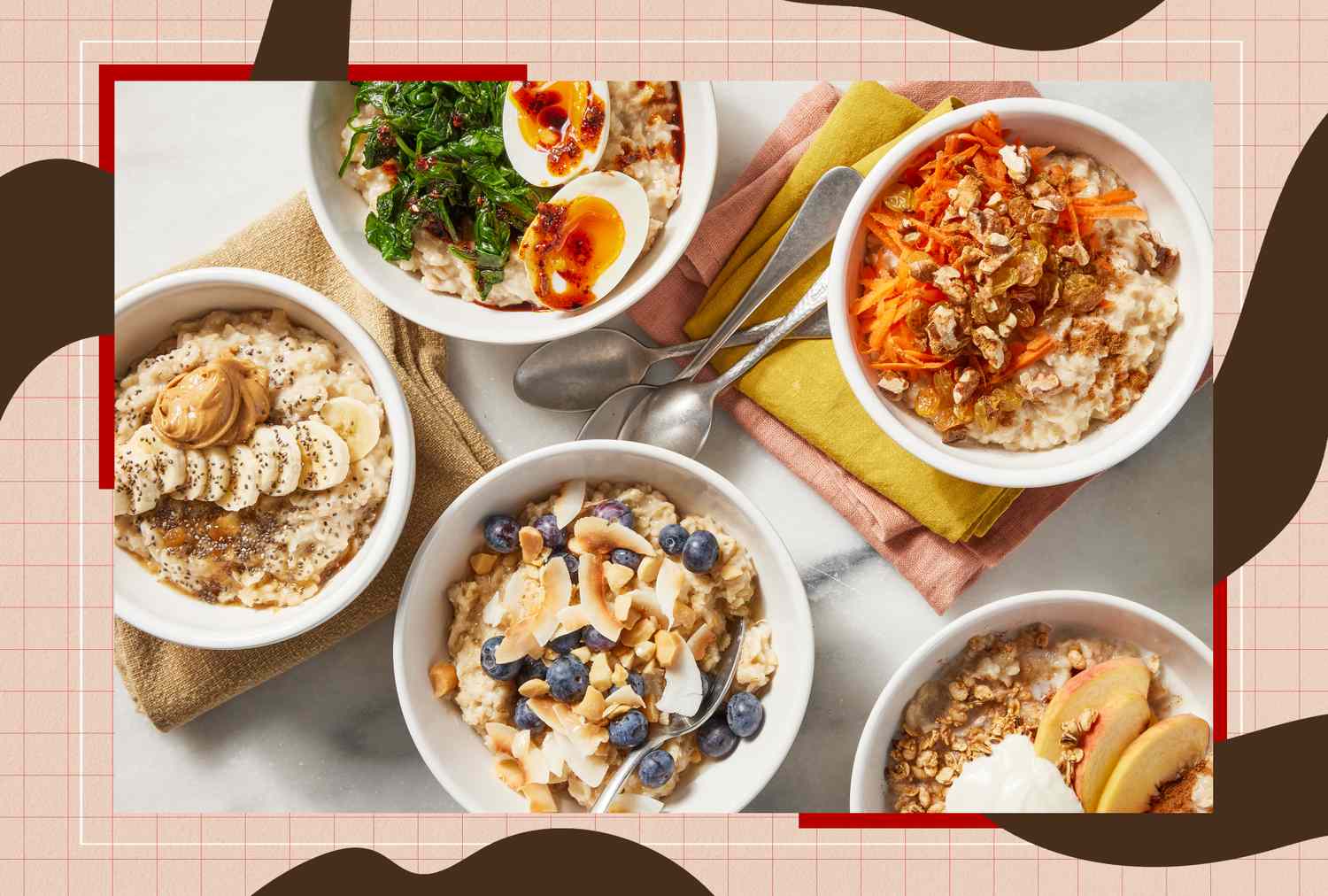
McFadden, with his seasonal approach to cooking, tops oatmeal with whatever the farms are producing. In colder weather, he likes apple butter and pumpkin butter or a swirl of “really good jam.” In warmer moments, fresh berries are a great mix-in. Nut butter, bee pollan, maple sugar and puffed grains are fun year round.
Simplicity is the name of the game for Segal, who enjoys berries, bananas and sautéed apples atop her cereal. “When I want something heartier, I’ll add toasted nuts or seeds for a little crunch,” she said.
The raisins of her childhood oatmeal are pleasantly nostalgic for Jullapat, who also loves to use dates, cinnamon, yogurt and fruit compote in breakfast grain bowls. Living in L.A., she explained, she also sees plenty of “superfood” oatmeal additions such as goji berries, argan oil, ground flax seeds and dark chocolate.
Savory Oats
Jullapat likes her oatmeal sweet but knows people who lean toward savory oats, including a Korean friend who drizzles on sesame oil and tops the bowl with a poached egg. Another one of her friends “throws in nori.”
“I’m always kind of messing with savory,” McFadden said. “Some work, some don’t.”
For those who are curious about savory oats, cooking the grain in broth and adding a bit of shredded cheese and an egg could be a great place to start. Lightly cooked mushrooms are another solid savory add-in, and herbs, such as rosemary and thyme, would be a nice touch.
The Bottom Line
To make a delicious bowl of oatmeal, choose thicker oats and attend to your ratios of liquid to grain and time to temperature. When in doubt, cook the oatmeal slowly, stirring regularly, so that you can catch it at the right moment of doneness. Toast the oats if you like a toothy texture, but skip that step if you’re busy. And, don’t hesitate to make a batch of overnight oats to help decrease your morning burdens. Finally, choose different toppings in summer and winter to make your bowls “a really fun seasonal canvas throughout the year,” as McFadden does, and never forget that pinch of salt, which, Segal explained, “makes everything taste more like itself.”
