

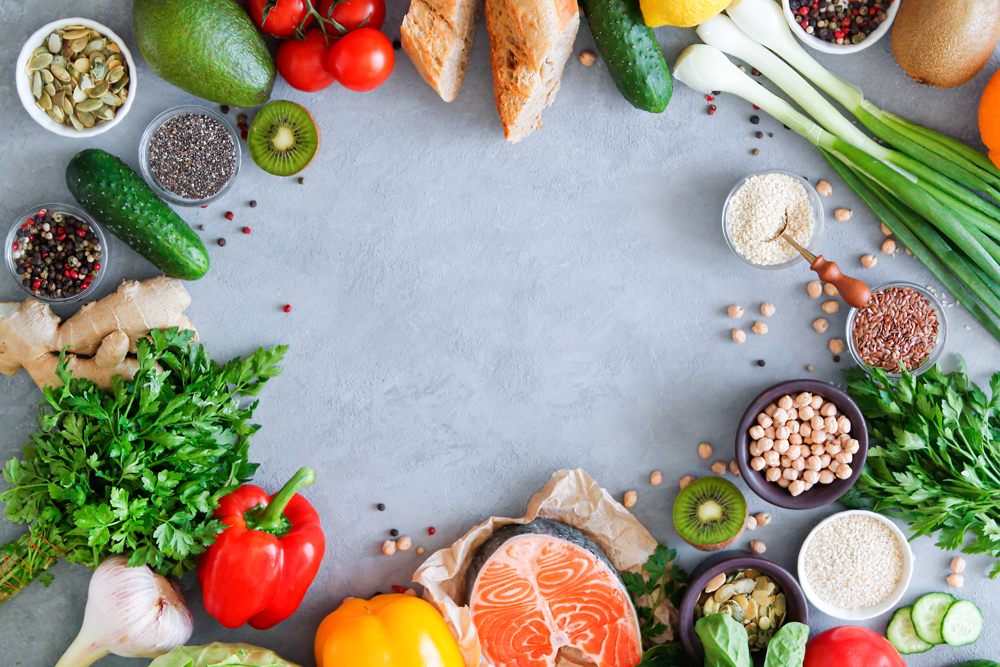
On Jan. 7, the U.S. Department of Health and Human Services (HHS) and U.S. Department of Agriculture (USDA) released the Dietary Guidelines for Americans 2025-2030. The updated guidelines are intended to deliver a clear message to the American people: eat real food.
According to HHS and USDA, the guidelines reestablish food—not pharmaceuticals—as the foundation of health and reclaim the food pyramid as a tool for nourishment and education.
According to HHS, the guidelines emphasize simply flexible guidance rooted in modern nutrition science such as protein at every meal; full-fat dairy with no added sugars; fruits and vegetables; healthy fats from whole foods such as meats, seafood, eggs, nuts, seeds, olives and avocados; whole grains and reducing refined carbohydrates; limiting highly processed foods, added sugars and artificial additives; eating the right amount based on age, sex, size and activity level; water and unsweetened beverages to support hydration; and limiting alcohol consumption.
“These Guidelines return us to the basics,” said HHS Secretary Robert F. Kennedy, Jr. “American households must prioritize whole, nutrient-dense foods—protein, dairy, vegetables, fruits, healthy fats, and whole grains—and dramatically reduce highly processed foods. This is how we Make America Healthy Again.”
“Thanks to the bold leadership of President Trump, this edition of the Dietary Guidelines for Americans will reset federal nutrition policy, putting our families and children first as we move towards a healthier nation,” added USDA Secretary Brooke Rollins. “At long last, we are realigning our food system to support American farmers, ranchers, and companies that grow and produce real food. Farmers and ranchers are at the forefront of the solution, and that means more protein, dairy, vegetables, fruits, healthy fats, and whole grains on American dinner tables.”
The Natural Products Association (NPA), Council for Responsible Nutrition (CRN) and Consumer Healthcare Products Association (CHPA) responded to the new guidelines.
NPA welcomed the Guidelines’ emphasis on nutrient-dense diets and improved overall diet quality. However, it is critical to acknowledge a longstanding reality: millions of Americans fail to obtain adequate vitamins, minerals and essential nutrients from food alone.
According to NPA, dietary supplements play a vital and complementary role in closing nutrient gaps, particularly in vulnerable populations such as pregnant women, older adults, children and individuals with chronic health conditions. Supplements are not a substitute for healthy eating, but they are a proven, science-based tool that supports public health objectives when dietary intake falls short.
“This includes recognizing the essentiality of specific nutrients, reflecting modern nutrition science on bioavailability and life-stage needs, and avoiding outdated assumptions that overlook how Americans actually consume nutrients in the real world,” NPA said. “We also urge alignment between the Dietary Guidelines and the regulatory framework governing dietary supplements, which already imposes rigorous requirements for safety, manufacturing quality, labeling and adverse event reporting. Clear, science-driven policy signals are essential to maintaining consumer confidence and encouraging continued innovation in nutritional products.”
CRN praised HHS and USDA for acknowledging that while nutrient-dense foods should remain the foundation of nutrition guidance, dietary supplements can help address persistent nutrient shortfalls in the population.
“For many Americans, meeting nutrient recommendations through food alone is challenging—sometimes due to limited food sources, increased nutritional needs during certain life stages, or other real-world barriers,” said Steve Mister, president & CEO of CRN. “By appropriately recognizing dietary supplements as a way to help fill nutrient gaps, the agencies have taken an important step toward improving public health and ensuring the Dietary Guidelines are both evidence-based and practical.”
According to CRN, evidence consistently shows many Americans fall short of key nutrients, such as vitamin D, calcium, potassium and dietary fiber. Supplement use has shown to help reduce the prevalent of nutrient inadequacy. The new guidelines are consistent with CRN’s public comments and maintain that supplementation should be considered in certain populations in consultation with health care professionals.
“We support the agencies’ goal of improving the health of American families,” Mister said. “Recommendations for the appropriate use of dietary supplements strengthen the Dietary Guidelines and help consumers and health care providers make informed decisions. CRN has long urged consumers to have meaningful discussions with their health care providers about their supplement regimens, and we are delighted that the new Dietary Guidelines underscore the importance of these conversations.”
CHPA said the Dietary Guidelines continue to serve as a crucial resource for federal nutrition programs, health professionals and American consumers, providing insights into how dietary practices can support overall health at every stage of life and identify key nutritional needs and gaps.
“Consistent with previous editions of the Guidelines, CHPA welcomes the continued recognition that dietary supplements play a complementary role in helping individuals meet nutrient needs when diet alone is insufficient, particularly during key life stages or for vulnerable populations. With approximately 75 percent of Americans not consuming enough nutrient-dense fruits and vegetables, gaps in dietary intake remain a persistent public health challenge. Longstanding public health examples, such as folic acid supplementation for pregnant women or those who may become pregnant, demonstrate how supplementation can support nutrient adequacy when dietary intake falls short,” CHPA said.
For more information, visit www.hhs.gov, www.npanational.org, www.crnusa.org or www.chpa.org.
