

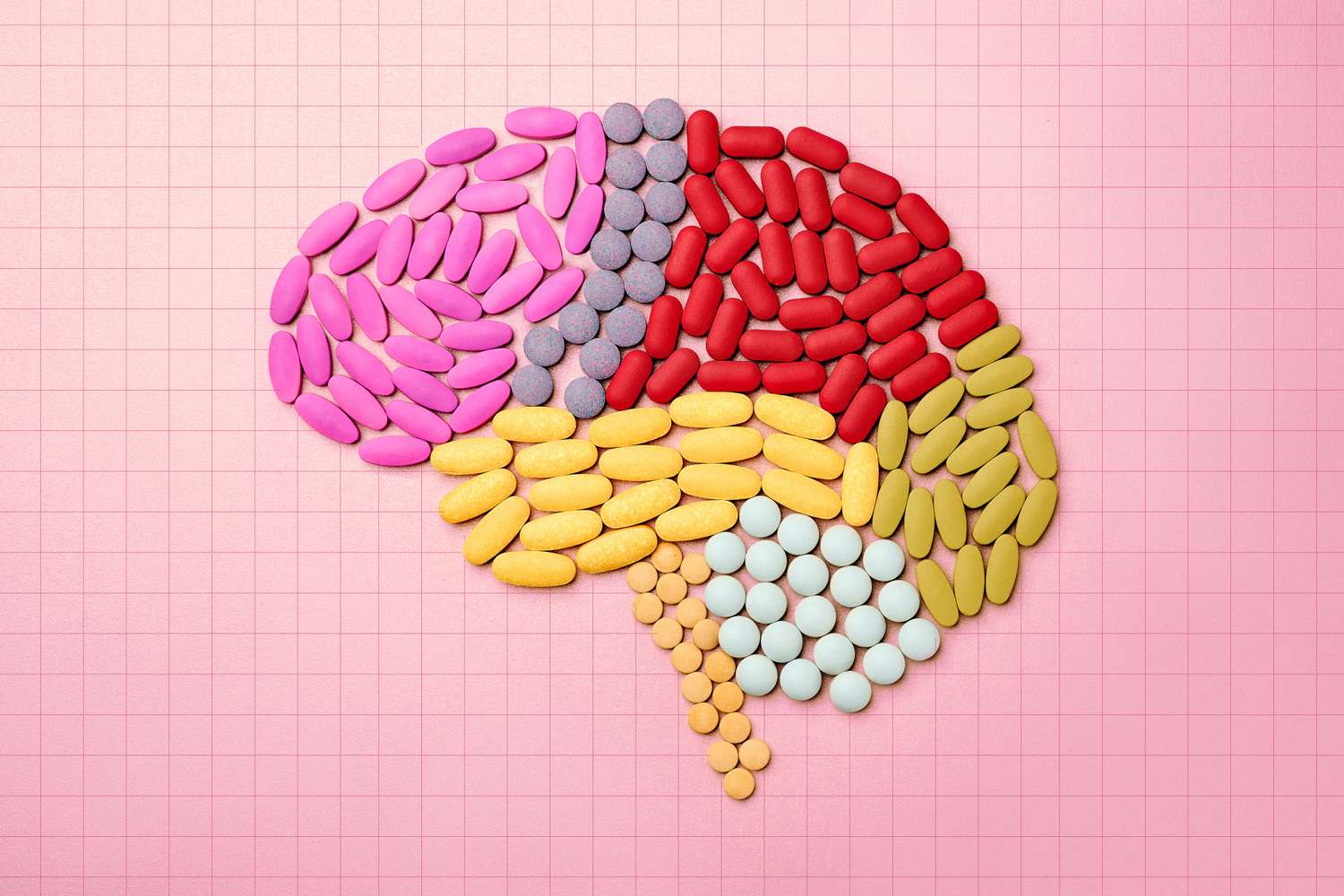
- Omega-3 fatty acids, creatine, magnesium and vitamin D support memory and brain function.
- Correcting low levels of these nutrients is more helpful than taking extra when levels are normal.
- Good sleep, balanced meals, moving your body and managing stress still matter more than any supplement.
If you feel mentally drained by the end of the day—or notice it’s harder to focus, remember details or think clearly—you’re not alone. Between constant notifications, packed schedules and background noise that rarely shuts off, your brain may not be getting much real downtime. Even activities meant to help you relax, like scrolling or streaming, can keep your mind in a low-grade state of alertness, contributing to mental fatigue over time.
That kind of cognitive overload helps explain why many people are seeking ways to support brain health, including through supplements. While supplements aren’t a quick fix or a replacement for healthy habits, some may offer targeted support as part of a brain-healthy lifestyle. We spoke with experts to find out which evidence-backed supplements are worth considering, along with other practical tips to support brain health.
Omega-3 Fatty Acids (EPA & DHA)
Omega-3 fatty acids are among the most well-studied nutrients for brain health. One type of omega-3 called docosahexaenoic acid (DHA) is a major structural component of brain cell membranes, particularly in regions involved in learning and memory. Another type of omega-3 called eicosapentaenoic acid (EPA) plays a complementary role by helping regulate inflammation and support vascular health, both of which are important for maintaining healthy blood flow to the brain.
“The brain is an energetically demanding, lipid-rich organ,” explains Jenna Macciochi, Ph.D., highlighting why fats like DHA and EPA play a key role in cognitive resilience. Research suggests that omega-3 supplementation tends to be most beneficial when it helps correct low baseline intake, rather than when added on top of already sufficient levels.
Amy Archer, RDN, CLT, CHWC, recommends working with a health care professional to assess omega-3 status. “The Omega-3 Index measures the blood levels of omega-3s,” she says. “Lower Omega-3 Index has been associated with reduced brain volume and impaired cognition, leading to increased risk for developing dementia and psychiatric diseases,” she adds. If your levels are low, consider increasing your intake through omega-3-rich foods such as salmon, mackerel, anchovies, sardines and herring, with supplements used as needed to support adequate levels.
Creatine
“Creatine monohydrate is one of the most researched and well-studied supplements on the market,” says Archer. While it’s often associated with muscle and exercise performance, growing research shows it may also play an important role in brain health. “Creatine is more than just for muscles; it’s a potent brain fuel, supporting energy, memory and mood,” says Karan Rajan, M.D.
The brain uses a significant amount of the body’s energy—about 20%. And creatine may help support brain function when energy demands are high, such as during periods of stress or mental fatigue.
Emerging research also suggests potential cognitive benefits. In one recent study in adults with Alzheimer’s disease, eight weeks of creatine monohydrate supplementation increased brain creatine levels and was associated with improvements on several cognitive measures. While the study was small and more research is needed, the findings are promising. Other studies suggest creatine may be especially beneficial for people with lower baseline creatine intake, including older adults and those following vegetarian or plant-forward diets.
Magnesium
Magnesium plays a role in hundreds of processes in the body, many of which support brain function, including nerve signaling, neurotransmitter release, stress regulation and sleep. Because of this wide reach, maintaining adequate magnesium levels may support cognitive health both directly and indirectly.
Magnesium L-threonate, in particular, has been studied for its potential brain benefits because it can cross the blood-brain barrier. “In a 2022 randomized controlled study, magnesium threonate supplementation increased brain magnesium levels and resulted in improvements in memory and cognition,” Archer tells EatingWell.
Beyond its direct effects in the brain, magnesium also supports cognitive health through its role in regulating stress and promoting healthy sleep patterns. Since chronic stress and poor sleep are both linked to issues like brain fog and reduced focus, adequate magnesium intake—whether through food or supplementation—may offer broader support for mental clarity as part of an overall brain-healthy lifestyle.
Vitamin D
This fat-soluble vitamin plays an important role in overall health, including supporting the brain. “Vitamin D plays a crucial role in the expression of genes that support how cells function,” Archer explains. Research also suggests vitamin D helps regulate neuroinflammation, a process increasingly linked to cognitive decline and neurological conditions. “Optimizing vitamin D levels may play a role in preventing certain neurological conditions,” Archer says.
Even though vitamin D is essential for health, many of us don’t get enough of it. “Vitamin D deficiency is a global problem,” Archer notes. Because vitamin D is difficult to obtain through food alone, and many people don’t get enough sunlight, supplementation may be helpful for people with low levels. As with other supplements, experts recommend working with a health care provider to assess vitamin D status and determine whether supplementation is appropriate.
Other Tips for Supporting Brain Health
While supplements can play a supportive role, daily habits are most important when it comes to short- and long-term brain health. Here’s what experts recommend:
- Prioritize consistent, high-quality sleep. “While you sleep, your glymphatic system clears waste from your brain,” says Archer. Poor or inconsistent sleep may interfere with this process, so experts recommend seven to nine hours of quality sleep each night.
- Fuel your brain regularly. Your brain uses a lot of energy, so it’s important that you’re meeting your daily energy needs and consuming a balanced diet. Consider the MIND diet, which blends Mediterranean and DASH diet principles to support brain health.
- Move your body to support blood flow to the brain. Physical activity supports circulation and oxygen delivery to the brain, which is essential for focus and memory. Regular movement has also been linked to the release of growth factors involved in learning and neuroplasticity.
- Manage chronic stress. Ongoing stress can affect brain energy metabolism and inflammatory signaling. Macciochi recommends stress-regulation techniques—such as meditation, journaling or breathwork—as a key part of long-term brain health.
- Limit constant stimulation. Building in quiet, low-stimulation breaks may help reduce cognitive overload and mental fatigue.
Our Expert Take
Mental fatigue, brain fog and difficulty focusing are common in today’s overstimulated world—and while they aren’t a cure-all, evidence suggests that certain supplements may be beneficial, particularly when they help correct underlying deficiencies. Foundational habits like adequate sleep, balanced nutrition, regular movement and stress management are most important for brain health. For a truly brain-healthy approach, think of supplements as one tool in a much bigger picture, not a standalone solution.
