

- Vitamin K2 may improve bone density and reduce arterial stiffness, lowering heart disease risk.
- Adult males need 120 mcg of vitamin K per day, and females require 90 mcg per day.
- Food sources of vitamin include beef, chicken, eggs, cheese, milk and fermented foods.
You’ve likely heard of vitamin K, but did you know that you can find it in two natural forms? And here we home in on one: vitamin K2. Vitamin K plays many essential roles in the body, from blood clotting to supporting your bones and heart. Like other vitamins, vitamin K is found naturally in food and is also available as a supplement.
“Vitamin K2 is a fat-soluble vitamin that plays many different roles in the body. Vitamin K2 is found in animal foods and fermented food and can also be made by bacteria in the gut,” says Amy Davis, RDN. Here we explain everything you need to know about why K2 is important, plus who should skip the supplement.
Why We Love Vitamin K
Supports Bone Health
Although you can’t see them, you can’t forget about your bones and their health. Vitamin K2 is important for strengthening them by activating a protein that helps bind calcium to the bone. “Vitamin K2 helps regulate calcium in the body, directing it to bones and teeth while preventing buildup in arteries and soft tissues. This is essential for bone strength and cardiovascular health,” adds Amy Goodson, M.S., RD, CSSD, LD.
“Studies suggest that adequate K2 intake can help improve bone mineral density, particularly in older adults and postmenopausal women, who are at higher risk of osteoporosis,” explains Goodson. She adds that the body utilizes calcium to strengthen bones, reducing the risk of fractures and lowering the likelihood of breaks.
Promotes Heart Health
Vitamin K2 also plays a role in keeping your heart healthy. “Vitamin K2 helps prevent calcium buildup in the arteries, reducing arterial stiffness and lowering the risk of heart disease,” says Davis. When arteries become less flexible, it makes it harder for blood to flow easily, thus increasing the risk of heart-related issues, such as high blood pressure, heart disease and even heart failure. “Studies suggest that adequate K2 intake is linked to better cardiovascular outcomes over time,” says Davis.
Vitamin K2 is a fat-soluble vitamin that plays many different roles in the body. Vitamin K2 is found in animal foods and fermented food and can also be made by bacteria in the gut.
—Amy Davis, RDN
May Enhance Brain Function
As we age, our brain function naturally declines, making tasks like recalling information or solving problems more challenging. “Emerging research suggests a potential role in cognitive health and reducing the risk of neurodegenerative diseases,” says Goodson.
She says vitamin K2 does this by reducing oxidative stress and inflammation and producing sphingolipids, a type of fat essential for brain function and communication. Therefore, a higher intake of vitamin K2 may keep your brain firing quickly from all cylinders and potentially lower the risk of neurodegenerative diseases, such as dementia and Alzheimer’s disease.
Supports Dental Health
Vitamin K2 supports your smile. “Vitamin K2 contributes to oral health by supporting dentin production and activating osteocalcin, which helps maintain strong teeth,” says Davis. Dentin is the tissue inside your teeth. And osteocalcin activates a protein that helps strengthen teeth. She adds that some research suggests that vitamin K2 may also work hand-in-hand with other fat-soluble vitamins, like vitamin D3, to improve tooth remineralization. This means it can help reduce tooth loss and decay.
Vitamin K2 Deficiency
A vitamin K deficiency is very rare among most healthy adults. However, it can occur in individuals with malabsorption disorders or those taking medications that interfere with vitamin K absorption, such as antibiotics. People with gastrointestinal conditions like celiac disease or ulcerative colitis may have difficulty absorbing vitamin K. Individuals who have undergone bariatric surgery may also be at risk for being low in vitamin K.
How Much You Need
Since there isn’t enough data to establish a precise daily requirement for vitamin K, an Adequate Intake level has been set to ensure nutritional adequacy. For adults 19 and older, the AI is 120 micrograms per day for males and 90 mcg per day for females, including during pregnancy.
Food Sources
If you are a fan of Popeye, you’re likely loading up on leafy greens like spinach and collards, which are an excellent source of vitamin K. But if you are looking for vitamin K2, you’ll want to focus on different foods. Here are some of the best food sources of vitamin K2:
- Animal proteins like ground beef, chicken breast, chicken liver, ham
- Dairy foods including Cheddar cheese, mozzarella and dairy milk
- Fermented foods like natto (fermented soybeans) and sauerkraut
- Eggs
Keep in mind that vitamin K2 is a fat-soluble vitamin, meaning it’s best absorbed when paired with fat. So, don’t skip out on including a healthy source of fat at these mealtimes for better absorption.
Is Vitamin K2 Safe for Everyone?
There is no established upper limit for vitamin K due to its low potential for toxicity. Vitamin K2 is generally safe, but there are precautions with supplementation. Goodson says mild side effects may include stomach discomfort but are also rare.
Certain groups should avoid supplementation, such as anyone on blood thinners, such as warfarin (Coumadin) and similar anticoagulants, can have serious and potentially dangerous interactions. People on these medications are advised to keep a steady intake of vitamin K from food and/or supplements and avoid drastic changes in intake. Consider working with a dietitian for guidance.
In addition, anyone taking antibiotics, as antibiotics can disrupt bacteria in the gut and decrease vitamin K status. and anyone taking weight-loss medications like Orlistat may experience reduced vitamin K absorption, as this medication reduces the body’s ability to absorb dietary fat.
Individuals who are vegetarians or vegans may benefit from taking a vitamin K2 supplement, as vitamin K2 is mostly found in animal products like chicken, beef, eggs and dairy products. Goodson explains that vitamin K1, commonly found in plant-based foods (like spinach), is poorly absorbed compared to vitamin K2, which is more bioavailable. People looking to support their bone health and keep their hearts strong may also benefit from vitamin K2 supplementation. It’s important to always consult your primary health care provider before starting any supplement.
What to Look For in a Vitamin K2 Supplement
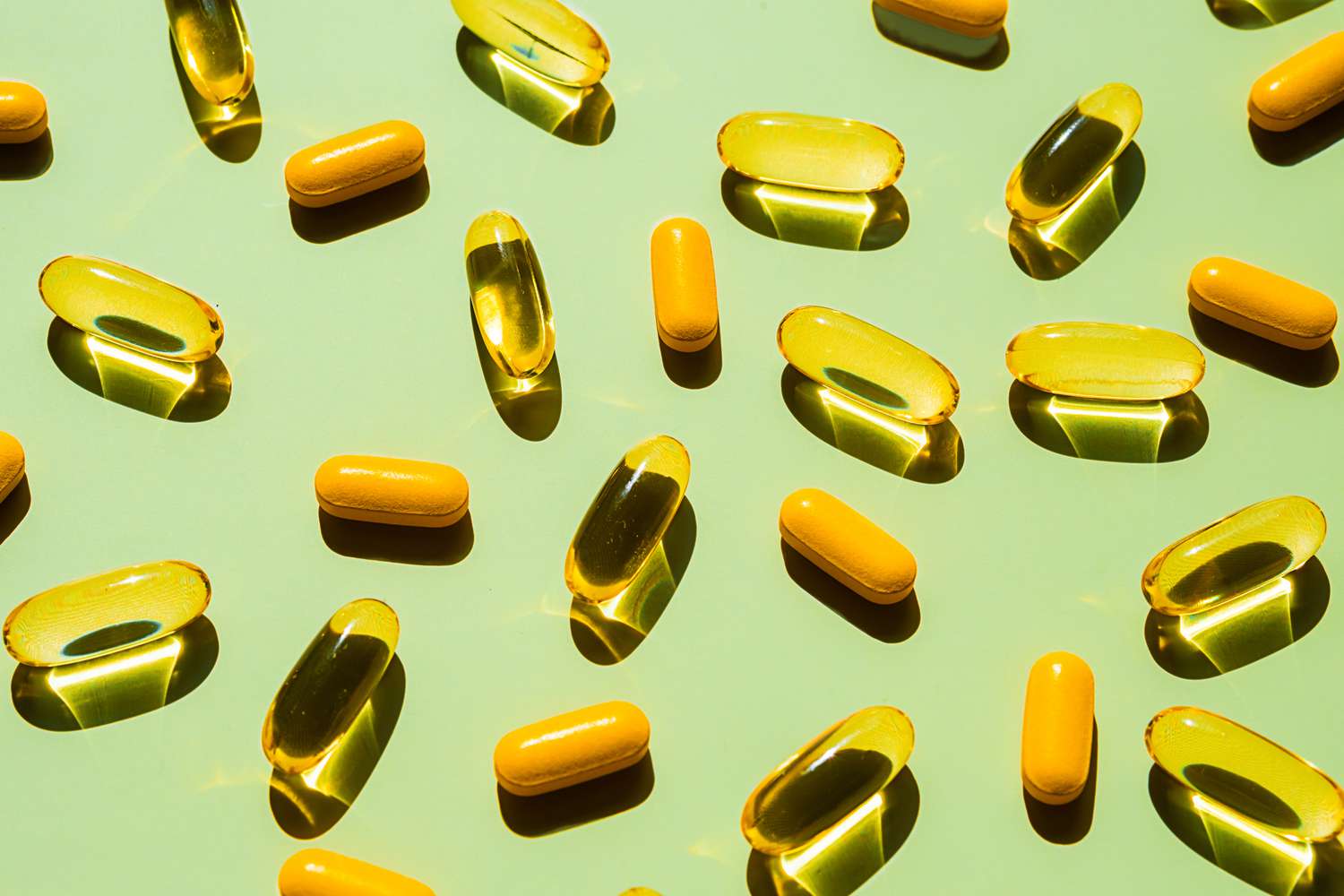
Vitamin K is often found in multivitamins or multimineral supplements. However, if you are looking for a single vitamin, Davis recommends choosing one in the MK-7 form of vitamin K2 for better absorption and longer-lasting effects. She also recommends a soft-gel, oil-based formula, as pairing the supplement with fat ensures maximal absorption.
Secondly, look for a supplement that has undergone independent verification to ensure its high quality and safety. Look for seals from trusted organizations like ConsumerLab, NSF international or USP on the label. Next, look for one that is free from unnecessary ingredients and doesn’t list proprietary blends, formulas or complexes under ingredients. These steps ensure you do not ingest heavy metals or other contaminants.
Our Expert Take
Vitamin K2 plays a role in maintaining bone and heart health and supporting blood clotting. It also plays a role in cognitive functioning and dental health. Vitamin K2 is found in animal products and fermented foods.
For enhanced absorption, pair a vitamin K2 supplement with a source of fat or look for a supplement that is in an oil-based formula and soft-gel form. Remember, eating a well-balanced diet is one way to ensure you consume enough vitamins and minerals, including vitamin K2. Before beginning any new supplementation, check with your doctor to ensure it’s safe for you.
Frequently Asked Questions
-
What are the major functions of vitamin K?
Vitamin K’s major functions in the body include supporting blood clotting, heart and bone health. It also promotes dental health and may enhance cognitive function.
-
What are the symptoms of low vitamin K?
Symptoms of low vitamin K include bleeding and hemorrhage, mostly seen in severe cases. Low vitamin K can also lead to weak bones and an increased risk of fractures.
-
What foods are the highest in vitamin K?
Animal products, such as chicken, beef, eggs and cheese, are the richest sources of vitamin K2. Fermented foods, like fermented beans and sauerkraut, also contain high amounts of vitamin K2, which makes them an excellent source.
-
What happens if I take vitamin K every day?
Taking vitamin K daily can support bone health, improve heart health and help with healthy blood flow and blood clotting. Sufficient vitamin K levels can also contribute to better dental health and cognitive function.
