

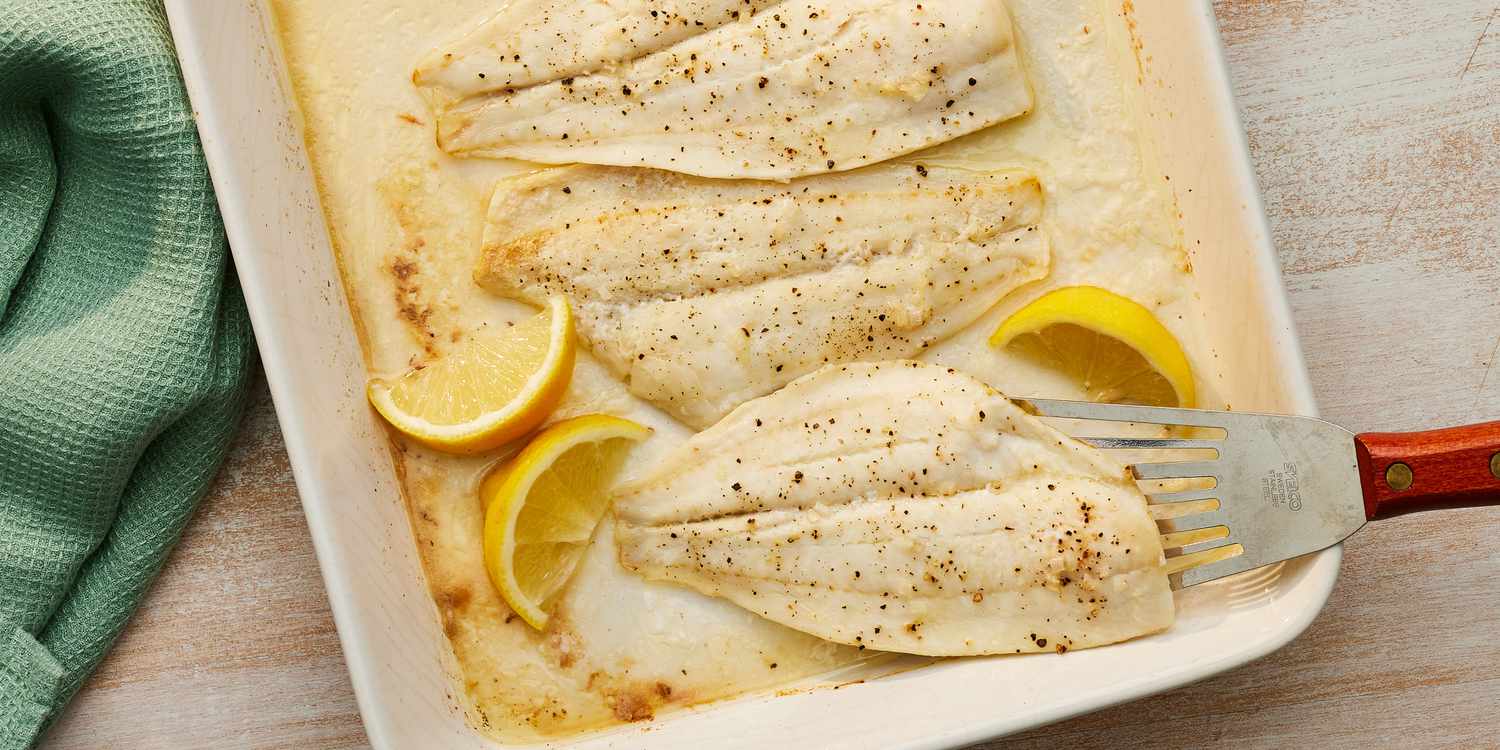
It’s a situation that happens to the best of us: You have grand plans to cook fish for dinner and look forward to it all day, but once dinner time rolls around, your plans get derailed. You forgot to defrost it.
But what if I told you you could still salvage your dream of a homemade fish dinner? And cooking fish directly from the freezer is not only possible but also encouraged! With a bit of help, you can cook fish directly from frozen and end up with a delicious meal. Here’s what you need to know.
How To Cook With Frozen Fish
Some Varieties of Fish Are Better Suited To Cooking From Frozen Than Others
While you might assume that fattier fish, such as salmon or swordfish, would be best suited to cooking from frozen, lean fish, such as cod and tilapia, are actually great choices. This is because lean fish often have less moisture content, so they are less likely to become soggy when cooked from frozen. Lean fish varieties, in addition to cod and tilapia, include bass, halibut, and grouper. (This isn’t to say you can’t cook salmon or other fatty fish from frozen; just make sure to follow the steps outlined below.)
Another thing to keep in mind is the size of the frozen fish filet. Stick to smaller filets and avoid any large pieces such as whole sides of salmon. The latter is too large and runs the risk of the center not cooking through.
Use the Right Cooking Method
Some cooking methods are better suited to cooking fish from frozen than others. This is because frozen fish tends to release a lot of moisture while cooking, so pan-searing is not recommended. Instead of the fish browning in the pan and becoming crisp, the water released during cooking steams the fish, preventing it from browning. Instead, stick to baking, broiling, steaming, or poaching. The latter two are among the easiest and most forgiving ways to cook fish from frozen, resulting in tender, delicate filets. Unlike pan-searing, baking and broiling help evaporate the moisture that’s released during cooking, so the fish has the chance to brown. (And browned fish equals flavorful fish!)
Give Your Frozen Fish a Quick Rinse and Thorough Drying
Dotdash Meredith Food Studios
If you’re taking the baking or broiling route and want to further your chances of browning the fish, give your filets a quick rinse under cold water before cooking. This will remove the thin layer of ice crystals on the outside of the filet, which would otherwise prevent it from browning. Once you rinse them, thoroughly dry them with a paper towel to remove any excess moisture.
Be Prepared To Sacrifice the Skin
Because frozen fish filets release so much moisture as they cook, you’re not going to achieve a perfectly crispy skin like you would cooking fresh or thawed fish filets. No matter how much you try, the skin will turn out soft and flimsy. Because of this, if your frozen filet still has skin attached, you should either remove it before cooking (if it’s not too difficult) or simply cook it with the skin on and remove it once cooked. If you really want a crispy-skinned filet of fish, you’re better off cooking the fish once thawed. There’s just no way to achieve it when cooking from frozen.
Expect a Longer Cook Time
If you’re following a recipe that calls for fresh or defrosted filets but you’re using frozen ones, expect to add a few minutes to the cooking time. This accounts for the fact that the fish’s interior is frozen and, as a result, takes a bit longer to come up to temp. For example, if your recipe says to bake a fresh filet for 15 minutes, expect to bake your frozen filet for at least 20 minutes. If you’re unsure if your fish is fully cooked in the center, you can always insert an instant-read thermometer into the center of the filet. If it’s 145 degrees F (62 degrees C) or higher, it’s done.
Ready to get cooking? Here are some fish recipes you can cook directly from frozen:
