

- Look for PGI or PDO seals to be sure you’re buying real, high-quality balsamic vinegar.
- Aged traditional (PDO) balsamic is best used as a finishing vinegar.
- PGI balsamic offers good quality at accessible prices for everyday cooking.
My kitchen is never without a bottle of balsamic vinegar. It’s my vinegar of choice to make salad dressings, the perfect drizzle on tomatoes and mozzarella, and my secret weapon to add a little sweet-sour acidity to pasta dishes. And while you may not give a second thought to the bottle that you use, they’re not all created equal.
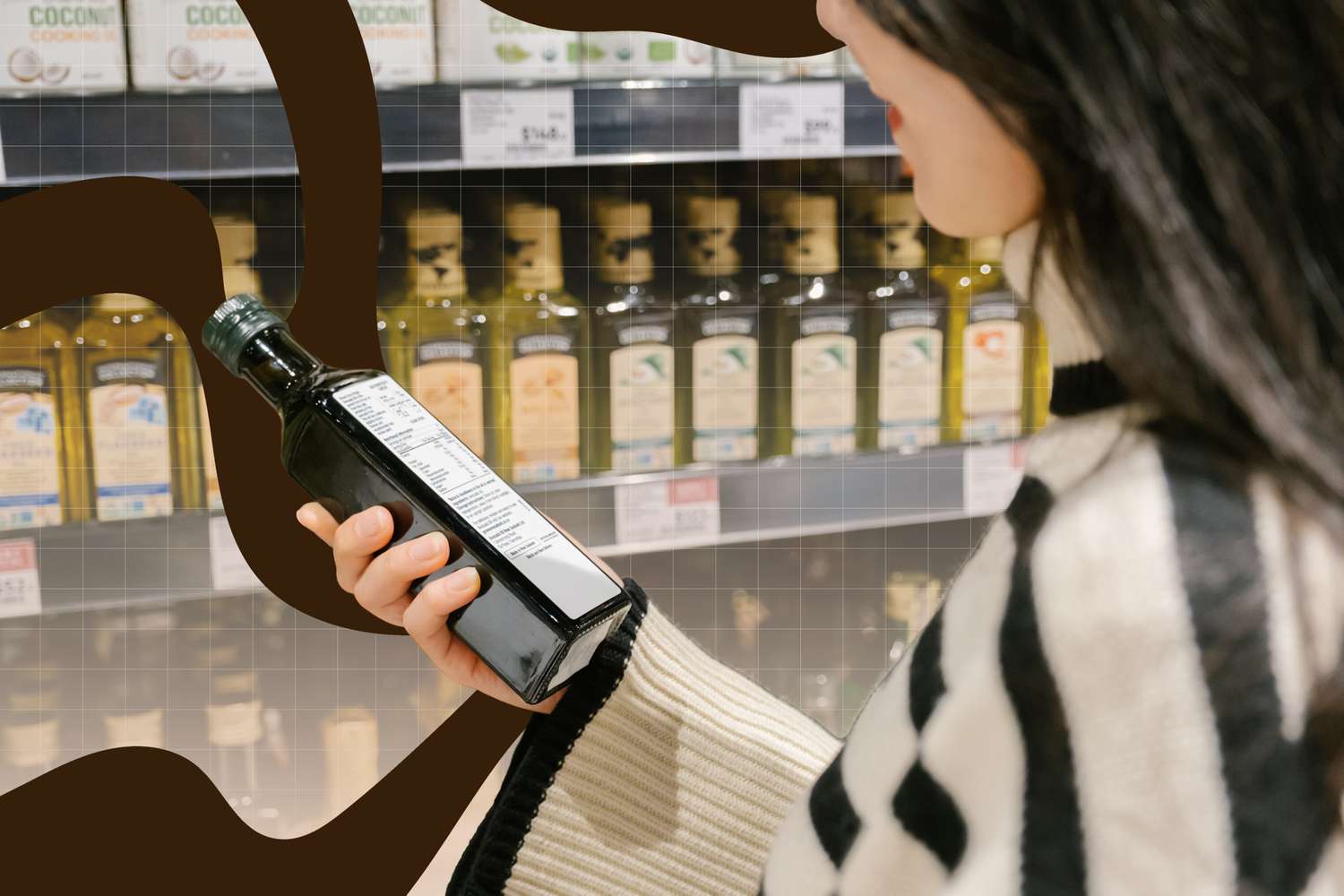
Your grocery store likely sells a wide variety of products touting “balsamic vinegar” on their labels in bottles of all shapes and sizes, selling anywhere from $3 to $25—even over $200 online! But how do you weed through them all and figure out what to buy?
The labels can be confusing. There can be abbreviations to decode, locations named and, if you look at the nutrition panel, sometimes even added sugar listed. (Added sugar? In vinegar?) I figured there had to be a way to eliminate the guesswork. So when I was invited to travel to Modena, Italy, to learn all about how balsamic vinegar is made, I jumped at the chance. I was immersed in all things balsamic, from visiting three acetaie (vinegar producers) to having balsamic at every meal, drizzled or dripped on various dishes from risotto to panna cotta.
Types of Balsamic Vinegar
What I learned while walking among vineyards growing grapes destined for vinegar bottles and through barrel rooms aging the richly colored liquid is that there are three main categories of balsamic vinegar: Traditional Balsamic Vinegar of Modena PDO, Balsamic Vinegar of Modena PGI and uncertified vinegars. Both Traditional Balsamic Vinegar of Modena PDO and Balsamic Vinegar of Modena PGI must adhere to strict rules and regulations, whereas other products called “balsamic vinegar” do not. Here’s a closer look at the regulated vinegars.
Traditional Balsamic Vinegar of Modena
This is the cream of the crop when it comes to balsamic. To be worthy of the Traditional Balsamic Vinegar of Modena PDO (Aceto Balsamico Tradizionale DOP) designation, everything from growing the grapes to bottling and aging the vinegar must be done in the province of Modena in northern Italy. Only lambrusco, trebbiano, ancellotta, sauvignon, sgavetta, berzemino and occhio di gatta grapes can be used, and they are typically hand-harvested.
Those grapes are pressed into juice (called “must” in the vinegar-making world), which is then cooked down to deepen its flavor and color. “This process also concentrates the natural sugars and gives the must its characteristic dark color and complex aroma,” says Federico Desimoni, president of Le Terre del Balsamico. The must is then left to cool and start fermenting before it is aged in barrels for at least 12 years.
Some bottles are aged for 25 years or more, resulting in luxuriously thick, rich vinegars that receive “extravecchio” or “extra-old” status. They are delicious (I tried one on a hunk of Parmigiano-Reggiano cheese, produced in nearby Parma) but also pricy—if you do splurge on a bottle, consider lightly drizzling it over a scoop of gelato or dotting it on a bowl of creamy risotto. Vinegars with this status have a deep, well-rounded flavor and are more nuanced from the long aging process.
Use this type of vinegar when you want it to be the main highlight of the dish you’re serving, rather than a background ingredient. The more viscous texture of traditional vinegar means that when you drizzle it over, say, a caprese salad, it will stay in ribbons atop your mozzarella and tomatoes, rather than soaking in, for picture-perfect presentation.
To ensure you are getting the real deal, look for the distinctive bulb-shaped 100-milliliter bottle and the red-and-yellow DOP/PDO (Denominazione di Origine Protetta/Protected Designation of Origin) seal.
Courtesy of Brand
Balsamic Vinegar of Modena
The regulations for Balsamic Vinegar of Modena PGI (Aceto Balsamico di Modena IGP) are similar, though not quite as strict. It has to be produced in the provinces of Modena or Reggio Emilia in the Emilia Romagna region. Each batch is made by mixing at least 10% wine vinegar—plus a percentage of aged wine vinegar—with grape must. Unlike the traditional variety, a small amount of caramel can be added for coloring along with concentrated grape must, which is made by “gently evaporating water from fresh grape must under vacuum, increasing its density and sugar content,” explains Desimoni. The vinegar is aged for at least 60 days. If it ages for three to five years, it can receive the “aged” designation, or “riserva” for five-plus years.
PGI vinegars are best for everyday use, such as making salad dressings and marinades, or adding acidity to soups and sauces. They also pair well with fruits and desserts, especially the aged and riserva bottles. They range from thin to more viscous, so you can keep a thinner one on hand for your dressings and marinades and a thicker one for drizzling and finishing.
When shopping for this category, look for the yellow-and-blue IGP/PGI (Indicazione Geografica Protetta/Protected Geographical Indication) seal on the bottle, along with the full name: “Aceto Balsamico di Modena IGP” or “Balsamic Vinegar of Modena.”
Courtesy of Brand
How Much Do You Need to Spend?
While these vinegars have to adhere to strict regulations, that doesn’t mean that you can’t find high-quality bottles that are still budget-friendly. Before my trip to Modena and without realizing it, I often stocked up on PGI-certified balsamic vinegars at my local Whole Foods. I have a more salad dressing–friendly thinner balsamic that costs $7.49 for a 16.9-ounce bottle and a thicker aged one that’s nice for drizzling on pasta or a caprese salad that costs $10.99 for 8.5 ounces. A 33.8-ounce bottle of Costco’s Kirkland Signature Organic Balsamic Vinegar of Modena is PGI certified and costs just $14.79.
Just beware of bottles that don’t have the seal or have confusing wording like “Modena-style” vinegar—the quality can’t be guaranteed as no seal means no regulations. And if you do splurge on a tradizionale, which can cost upward of $100 (and over $200 for extravecchio), use it sparingly. On the trip, I was taught to just drip dots of it on whatever I was eating; on a bowl of gelato a light drizzle is acceptable because you want to get a little of the vinegar in every bite.
Why You Might Find Added Sugar on the Label
Many bottles of Balsamic Vinegar of Modena sold in the United States list only grape must and wine vinegar on their labels, as these are the two ingredients required in the production, but the Nutrition Facts labels might show an amount of added sugars. Added sugars are sugars that are not considered to be naturally occurring, as opposed to the sugar you find in a fruit like a grape. So I wondered why the sugars from the grapes were being classified as “added.”
Desimoni explains, “According to the FDA, producers of Balsamic Vinegar of Modena must classify cooked and concentrated grape must as ‘added sugars.’” The FDA includes “sugars from concentrated fruit or vegetable juices” in its definition of added sugars. However, as Desimoni explains, that’s not the case here—it’s simply part of how balsamic vinegar is made. “It is not an added ingredient, but the primary substance whose transformation (through acetification, refinement and aging) and combination with wine vinegar result in the finished product,” he says.
Desimoni notes that this labeling can be misleading to consumers and reiterates, “No sugar or sweetening substance is added to Balsamic Vinegar of Modena—the only addition is wine vinegar, which, as is well known, contains no sugar.” If any caramel is added for coloring purposes, the amount of sugar it adds is negligible, since in a 15-ml serving, a 2% addition of caramel coloring would result in less than 0.1 grams of sugar, explains Desimoni.
So while cooked grape must technically falls in the FDA’s classification of an added sugar, it is still just natural sugar from the grape must that has been concentrated. EatingWell’s Nutrition Editor Madeline Peck, RDN, CDN, says, “If the balsamic vinegar has only grape must or grape must and vinegar on the label, I wouldn’t be too worried about the added sugar on the label, especially since people are usually only using a small amount of vinegar.”
The Bottom Line
The rules and regulations behind the production of Traditional Balsamic Vinegar of Modena and Balsamic Vinegar of Modena exist to protect the consumer and help you find a quality bottle. Just look for the seals when you are shopping, and you’ll know that you’re getting the real deal. That said, there are other vinegars out there that don’t have to adhere to the same regulations, so as a smart consumer, you’ll want to check your labels closely. When in doubt, look for the seal and opt for Balsamic Vinegar of Modena. And know that you can find a well-balanced, authentic vinegar for a price that fits your budget.
