

Key Takeaways
- Some herbs, like turmeric and sage, may improve brain health and help with memory by reducing inflammation and oxidative stress.
- Ginkgo biloba and lemon balm may enhance cognitive function and slow memory decline, but research results are mixed.
- Herbs should not replace standard medical care for memory issues, and you should talk to your doctor before using supplements.
We’d all love to have a great memory, especially as we grow older. Perhaps that’s why so many of us are looking for different ways to boost our brain power, including natural remedies. Several herbs and spices *may* help improve your brain health. The key is to learn more about the research, be aware of potential safety concerns, and take a realistic approach to what these herbs can (and can’t) do for your memory.
Below, we’ll take a closer look at seven herbs that have shown the greatest potential for improving and protecting memory and brain health.
Herbs That Might Boost Memory
- Ginkgo biloba: May modestly support memory and attention, particularly in older adults, by improving cerebral blood flow
- Lion’s mane: May support cognitive function by promoting nerve growth factor activity, although more research is still needed
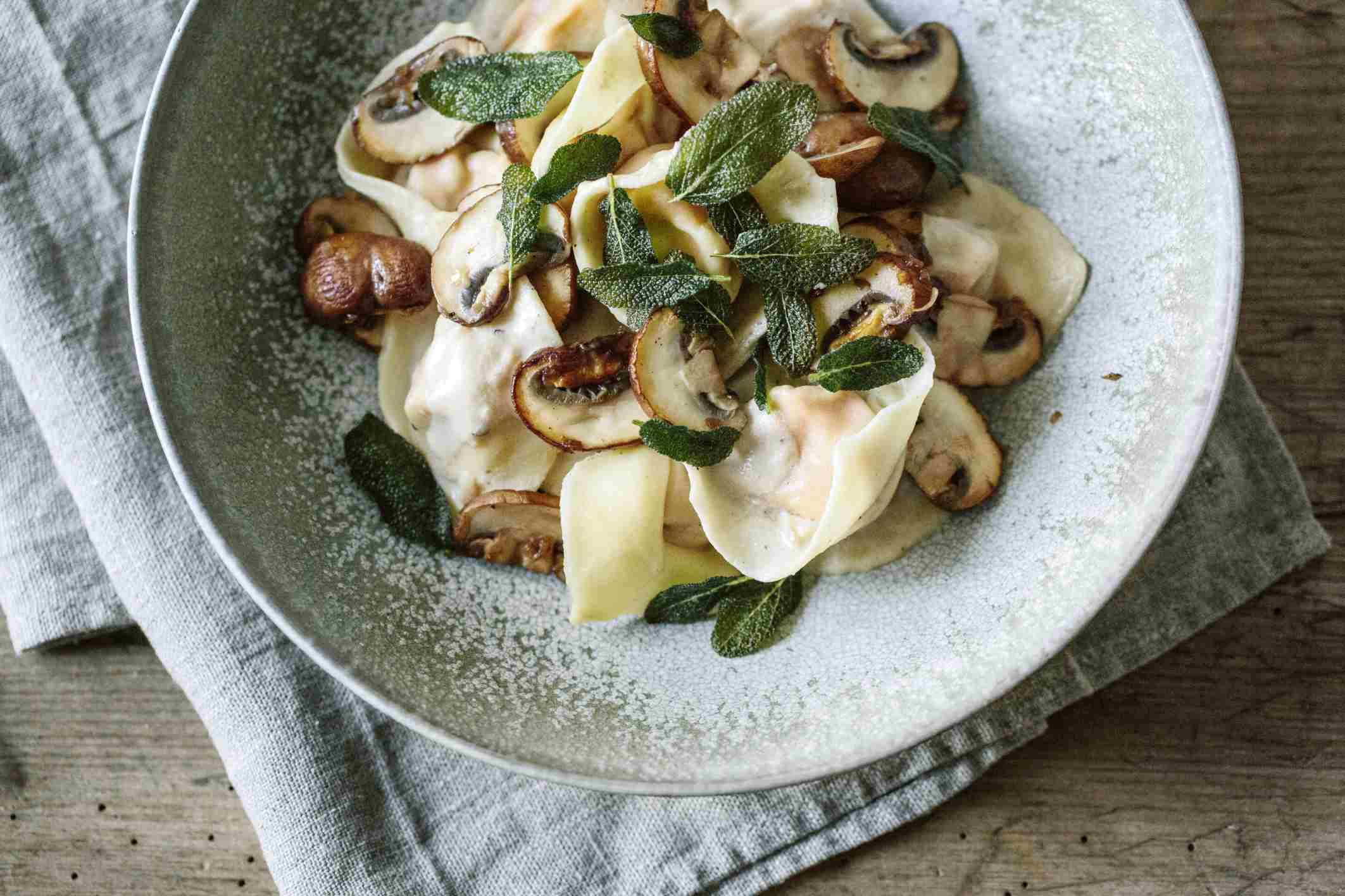
- Sage: May temporarily improve memory and concentration
- Ashwagandha: May support memory and cognitive performance indirectly by reducing stress, inflammation, and oxidative damage that can affect brain function
- Rhodiola rosea: May help reduce mental fatigue and support short-term cognitive performance during periods of stress, though long-term effects remain unclear
Herbs for Long-Term Brain Health
- Turmeric: Has anti-inflammatory and antioxidant properties that may help protect brain cells over time
- Cinnamon: May support brain health by reducing oxidative stress and supporting metabolic health, though direct cognitive benefits in humans are not well established
- Peppermint: May enhance alertness and attention, but evidence for long-term neuroprotective effects is limited
Remember, such herbal solutions typically work best when part of a broader plan to support cognitive health. They are most helpful when combined with other supportive lifestyle choices, such as following a balanced diet, staying physically active, and maintaining strong social connections.
Should You Use Herbs for Memory and Brain Health?
While certain herbs and spices may have beneficial effects on your brain, no natural remedy should be used as a substitute for standard care in the treatment of a condition affecting brain health.
It is important to note that while adding herbs and spices in the small amounts used in cooking can be healthy and beneficial, using them in larger amounts should not be considered better. Taking herbs and spices in a more concentrated form, as found in supplements, carries more risk of adverse side effects.
Seizures have been reported in children taking sage supplements; cheilitis in adults. Concentrated (supplement) forms of turmeric, ginseng, and ginkgo have a blood-thinning effect, thereby increasing the risk of bleeding, especially in people taking other blood thinners or anticoagulants.
Ginseng can cause changes in blood pressure (higher or lower), interacts with many medications, and can cause a severe allergic reaction or liver damage in rare cases. Gotu Kola has been linked to damage to the liver in rare instances.
The Food and Drug Administration doesn’t regulate the content and purity of supplements. Research has found that some Ayurvedic supplements are contaminated with heavy metals like lead, mercury, or arsenic.
Frequently Asked Questions
-
What can I take naturally to improve my memory?
In addition to herbs for memory, some supplements may have memory-boosting benefits. B vitamins, l-theanine, and omega-3 fatty acids are a few examples. Healthy lifestyle changes, such as getting regular exercise, eating a balanced diet, and maintaining an active social life, are other changes that can have a positive impact on brain health and memory as you age.
-
What herb is good for memory loss?
Herbs that may help with memory loss include ginseng, ginkgo biloba, ashwagandha, tumeric, and sage.
-
What herb stimulates the brain?
Ginkgo biloba is one of the most well-researched herbs for memory that can potentially stimulate cognitive function and prevent memory loss.
