

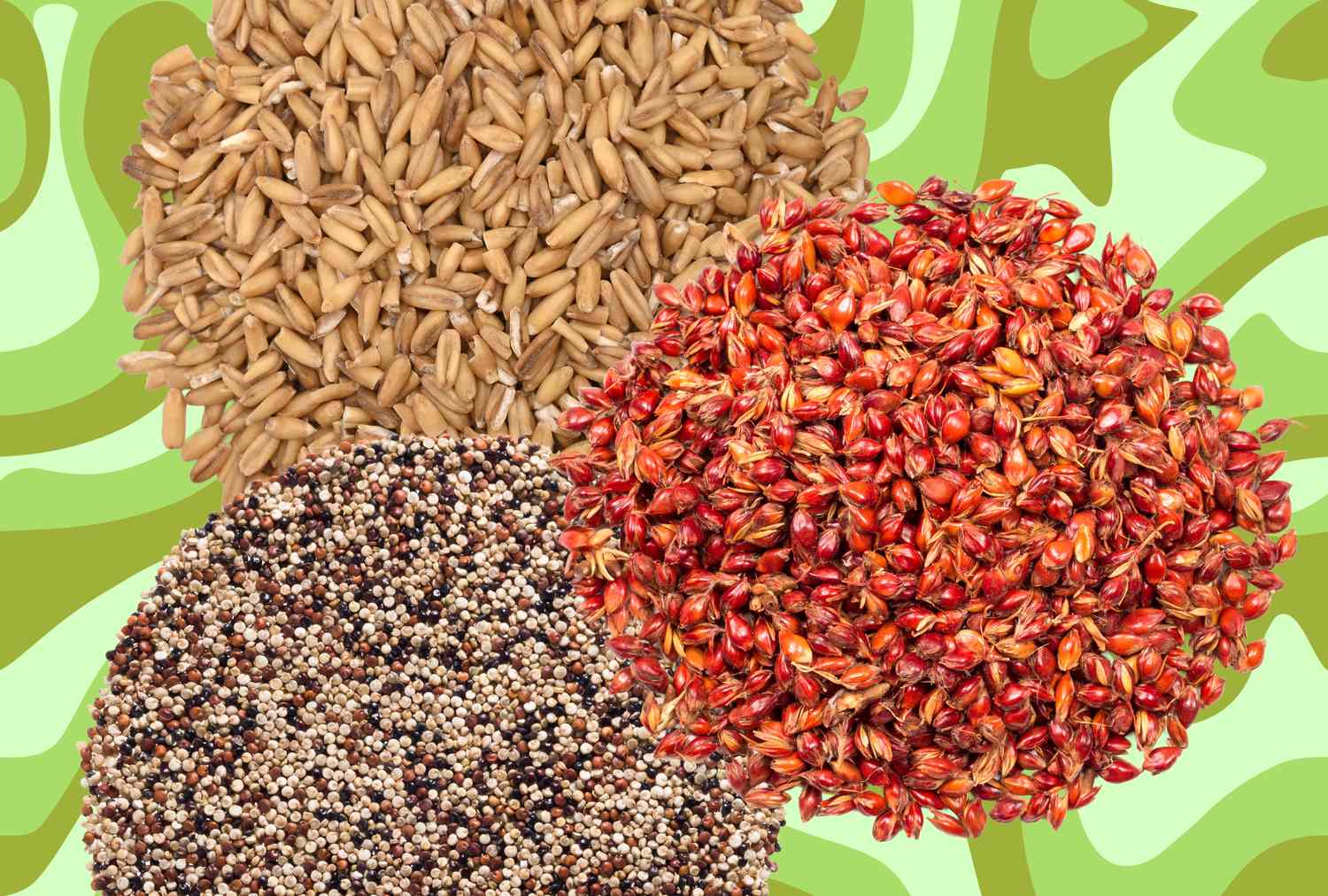
- Dietitians suggest oats, barley, farro, wild rice, quinoa and sorghum to help lower inflammation.
- Rich in fiber and plant compounds, these grains support gut and metabolic health.
- Add whole grains to a plant-rich diet with lean proteins and healthy fats to fight inflammation.
While it’s a normal biological process, chronic low-grade inflammation is associated with an increased risk of several chronic diseases, including cardiovascular disease and type 2 diabetes. One small change that can add up over time? Eat more anti-inflammatory foods, like whole grains.
Rich in fiber, antioxidants and phytonutrients, certain whole grains may help support a healthy inflammatory response. According to dietitians, these are the six best anti-inflammatory whole grains worth incorporating into your diet more often—plus simple tips for enjoying them.
1. Oats
When it comes to anti-inflammatory whole grains, oats consistently top dietitians’ lists. “Oats are considered anti-inflammatory because they contain beta-glucan fiber and antioxidants called avenanthramides, which support gut health, reduce oxidative stress and help regulate inflammatory processes in the body,” says Meaghan Ormsby, M.S., RDN. Beta-glucan feeds beneficial gut bacteria, while avenanthramides—compounds found primarily in oats—have been linked to antioxidant and anti-inflammatory effects.,
Research suggests that regularly eating whole-grain oats may help lower inflammatory markers such as C-reactive protein, particularly in people with underlying health conditions, adds Laura Peifer, M.S., RD.
While we typically think of pairing oats with foods that lean on the sweeter side (like these Cinnamon-Roll Overnight Oats), they also work surprisingly well in savory dishes. Try cooking steel-cut oats in broth with mushrooms and Parmesan for a creamy oat “risotto,” or toast rolled oats in olive oil and spices for a crunchy topping on soups and roasted vegetables.
2. Barley
Barley is another fiber-rich whole grain that fits well into an anti-inflammatory eating pattern. “Barley is an excellent source of fiber and beta-glucans, and evidence links higher intakes with lower CRP levels,” says Hannah Davis, RDN, LD. A review study found that consuming barley (and oats) was linked to lower levels of inflammatory markers in adults with metabolic risk factors, such as high cholesterol or insulin resistance. Of note, the same level of reduction in inflammatory markers was not seen in healthy adults.
Its soluble fiber has also been linked to improved cholesterol levels and steadier blood sugar responses—both associated with lower levels of chronic, low-grade inflammation over time. Barley also provides minerals such as magnesium and selenium that support antioxidant defenses and immune function.,
Davis recommends pairing the grain with olive oil, legumes, leafy greens and fresh herbs to build a satisfying, fiber-rich bowl. For a nutritional boost, choose hulled barley rather than pearled. The latter cooks faster but contains less of the outer bran layer. Simmer 1 cup in about 3 cups of water or broth for 40 to 50 minutes until tender.
3. Farro
This ancient wheat grain is a hearty whole-grain alternative to refined options like white rice or pasta. “Farro is often described as anti-inflammatory because it supports the body in ways that help keep inflammation in check over time,” says Ava Safir, J.D., M.S., RDN. Research suggests that replacing refined grains—such as white bread or white rice—with whole grains may be associated with lower markers of inflammation.
Farro’s benefits largely come from its fiber and intact grain structure. Because the bran and germ remain intact, farro digests more slowly than more processed grains, helping promote steadier blood sugar levels, Safir explains. Chronically elevated blood sugar has been linked to higher levels of low-grade inflammation.
Farro makes a great addition to soups, grain salads and risotto-style dishes often called “farrotto.” For even more nutrition, look for whole or semi-pearled farro rather than fully pearled varieties, which cook faster but contain less fiber.
4. Wild Rice
Despite its name, this grain isn’t actually rice—it’s the seed of an aquatic grass native to North America, and it offers more protein, fiber and antioxidant compounds than white rice.,
“Wild rice is recognized for its antioxidant properties and health-promoting effects,” says Hennis Tung, M.S., RD. It contains phytochemicals—natural plant antioxidants such as phenolic acids and flavonoids—that help neutralize free radicals and reduce oxidative stress, a process closely linked to chronic, low-grade inflammation. Because wild rice retains its bran layer, it also provides a bit more fiber and nutrients than refined white rice.
With its chewy texture and earthy, nutty flavor, wild rice pairs well with pilafs, grain salads and hearty soups. It’s also gluten-free, making it suitable for people with celiac disease or other medical reasons to avoid gluten, Tung says. She recommends serving it as a side dish or adding it to salads for extra texture and nutrition.
5. Quinoa
Often called a “golden grain,” quinoa stands out for its unique mix of bioactive plant compounds. “Quinoa offers both direct and indirect anti-inflammatory benefits,” says Juliana Vocca, M.S., RD. Research shows quinoa contains polyphenols—such as flavonoids and phenolic acids—as well as naturally occurring saponins, which have been associated with antioxidant and anti-inflammatory activity. These bioactive components may help regulate inflammatory pathways and support gut health. One cup of cooked quinoa provides about 8 grams of protein and 5 grams of fiber, making it an excellent plant-based source of protein.
This gluten-free grain makes a satisfying base for grain bowls or veggie burgers and can also be stirred into soups or tossed with salads. Vocca suggests rinsing quinoa before cooking to remove its naturally bitter outer coating.
6. Sorghum
Sorghum may be less commonly known than oats or quinoa, but this whole grain is rich in antioxidant compounds linked to reduced inflammation.
“Sorghum is a natural source of polyphenols, which may help reduce inflammation and support overall health,” says Lauren Manaker, MS, RDN, LDN, CLEC, CPT. In particular, certain red, brown and black varieties contain compounds such as 3-deoxyanthocyanins and tannins that help combat oxidative stress—a process closely tied to chronic, low-grade inflammation.
A recent review of studies found that sorghum’s phytonutrients show promising antioxidant and anti-inflammatory effects, with early human research suggesting potential benefits for cardiometabolic health. While more clinical trials are needed, the findings highlight sorghum as a nutrient-dense grain worth including in a balanced eating pattern.
In addition to its antioxidant profile, sorghum provides fiber and plant-based protein, making it a satisfying addition to meals. It’s also gluten-free. Manaker recommends using cooked sorghum as a base for grain bowls or soups, or popping whole kernels for a crunchy topping on salads or yogurt.
Meal Plan to Try
7-Day Anti-Inflammatory High-Fiber Meal Plan, Created by a Dietitian
Our Expert Take
While no single food can eliminate inflammation, consistently choosing whole grains over refined options may help support a healthy inflammatory response over time. Oats, barley, farro, wild rice, quinoa and sorghum all provide fiber and plant compounds that support gut and metabolic health, both of which play an important role in regulating inflammation. Dietitians recommend incorporating a variety of whole grains as part of a balanced diet rich in fruits, vegetables, legumes, nuts, seeds, lean proteins and healthy fats.
