

Key Takeaways
- Benzodiazepines and SSRIs can help reduce travel-related anxiety for people with claustrophobia.
- Picking an aisle seat and taking stretch breaks can make flying and driving easier if you have claustrophobia.
- Guided visualization and traveling with a supportive friend can help manage claustrophobia while traveling.
For people with claustrophobia, which involves an intense, irrational fear of enclosed spaces, an upcoming trip might bring on feelings of anxiety rather than excitement. Here are ways to help manage your symptoms with claustrophobia medication and other coping techniques, making your travel more enjoyable.
Claustrophobia Medication
Before going on a long trip, consult your healthcare provider or therapist for advice. Even if you usually don’t take medication for claustrophobia, they might suggest a low dose of anti-anxiety medication to help reduce tension.
Two types of medication commonly used to manage travel-related anxiety are benzodiazepines and selective serotonin reuptake inhibitors (SSRIs). Benzodiazepines work fairly quickly to reduce anxiety by slowing the activity of the central nervous system. SSRIs, on the other hand, may take longer to be effective as they block the reabsorption of serotonin.
It’s important to follow your provider’s instructions carefully when using claustrophobia medication. You may need to start taking it several days before traveling to give it time to work. Your provider might also recommend that you avoid alcohol or follow other safety precautions.
What You Should Know About Taking Benzodiazepines for Anxiety
Teens, young adults, and cocaine and heroin users have an elevated risk of abusing benzodiazepines. If you fall into one of these categories, talk with your provider about other medication options.
Additionally, the risk of overdose increases when benzodiazepines are combined with other drugs, such as opioids. So, tell your provider if you are taking any other substances, whether legal or illegal.
Overcoming Travel-Related Claustrophobia Triggers
Certain types of travel can trigger claustrophobia symptoms. Here are some insights into these triggers and strategies to help you manage them.
Flying
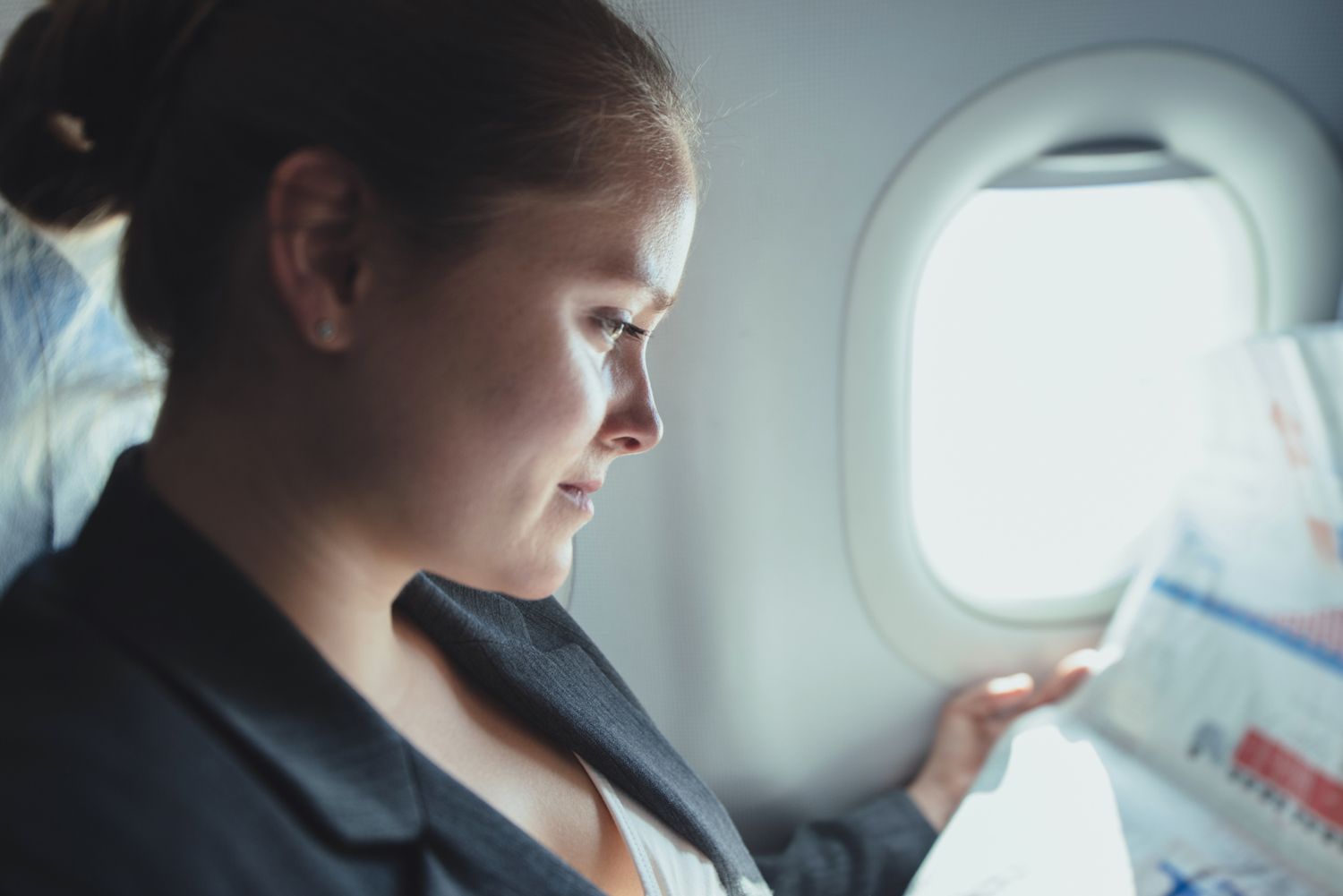
Air travel can be difficult if you have claustrophobia. There are a few things you can do to make yourself feel more comfortable while on a plane. For example, if you have a fear of heights (acrophobia), choose an aisle seat. If you have a fear of being stuck on the plane, choose a seat toward the front so you can disembark quickly.
Driving
Long road trips can also be uncomfortable for people with claustrophobia. But one benefit of this travel method is that driving gives you the opportunity to stop and get out of the car when needed. Taking frequent stretch breaks, dividing long drives into shorter segments, and choosing good travel companions can help you relax while on the road.
Trains
Though less commonly used, train travel is still an option to consider—especially for those who also have a fear of flying (aerophobia). It offers several advantages over flights, like more legroom, larger seats, and the freedom to walk around.
Cruise Ships
If you have claustrophobia, you might worry about being confined in the small cabins on a ship. However, modern ships are virtual floating cities, filled with a great deal of open space. Choosing a comfortable cabin and learning your way around the ship are key to avoiding claustrophobia at sea.
Bus Travel
Bus travel offers a low-cost alternative to flying or taking trains. However, small seats, limited legroom, and close proximity to others can pose challenges for those with claustrophobia. Traveling on less crowded routes and at off-peak times may help you manage a long-distance bus trip.
Other Ways to Cope With Claustrophobia While Traveling
A health professional can offer much more than claustrophobia medication to help alleviate your intense sense of fear during travel. They can teach you guided visualization, for instance, and other relaxation techniques to calm your nerves while in transition.
Take the time to practice your new skills before your trip, as some exercises take several days to master.
Also, if possible, travel with a supportive friend or relative. They can help you work through the anxiety, guide you through relaxation exercises, or simply keep you distracted. Your companion can also help manage details such as checking luggage, which you may feel uncomfortable handling.
Claustrophobia can impact travel in a variety of ways. With a bit of advance planning, however, there is no reason that it should prevent you from seeing the world.
Thanks for your feedback!
What is your feedback?
Helpful
Report an Error
Other
