

Key Takeaways
- Spending time outside can help relieve stress, boost mood, and improve well-being.
- Having a routine can help reduce feelings of anxiety and stress when you’re cooped up at home.
- Staying physically active indoors with exercise videos or bodyweight workouts can help burn off extra energy.
Cabin fever is a popular term for a relatively common reaction to being isolated or confined for an extended period of time. Cabin fever is not a specific diagnosis but rather a constellation of symptoms that can occur under these circumstances.
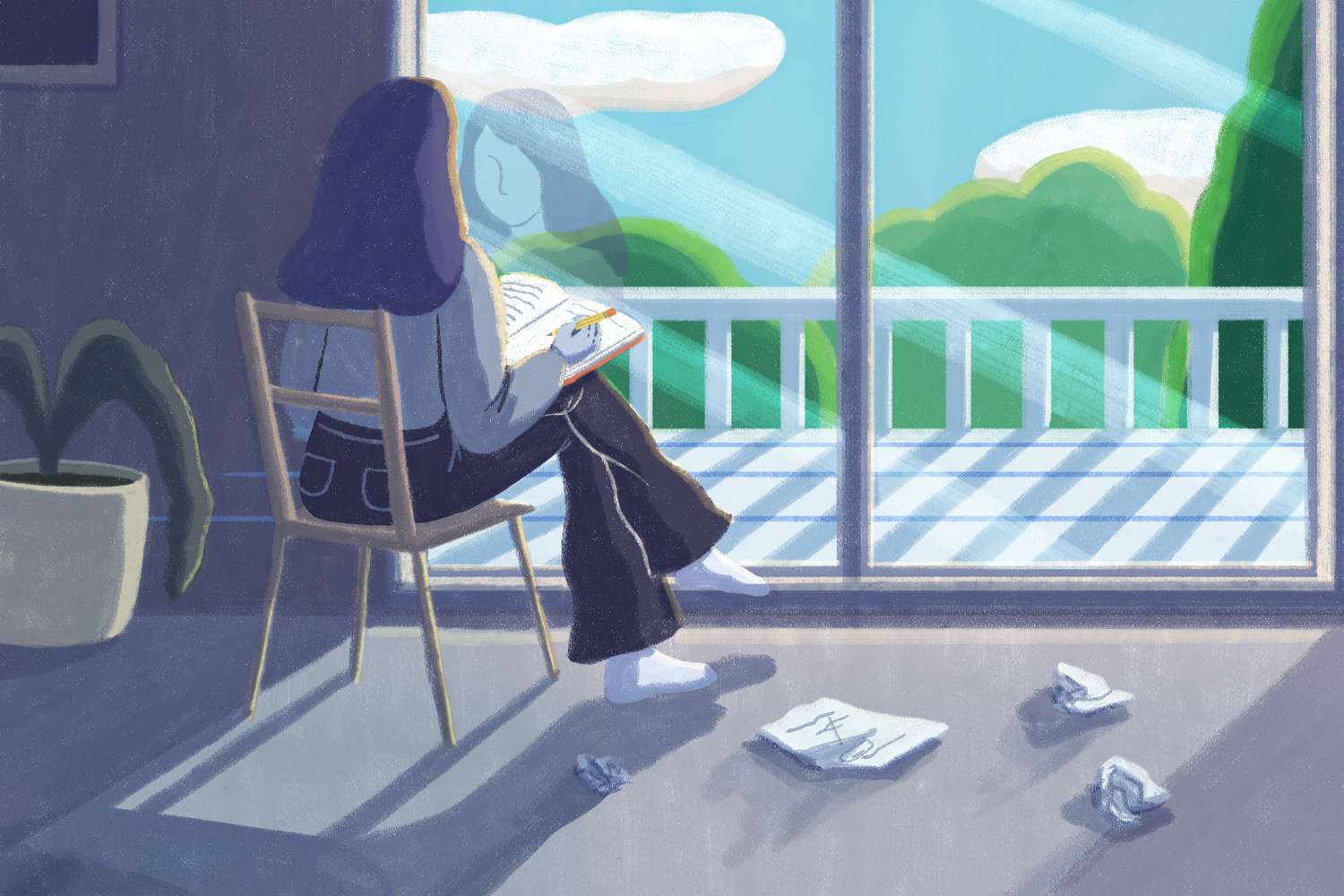
There are times you might find it difficult to leave home, such as during times of illness or bad weather. While you might feel okay at first, extended periods of being confined to your home can eventually lead to feelings associated with cabin fever, such as anxiety, loneliness, and poor mood. Learning to recognize these signs can help you find ways to cope.
Symptoms of Cabin Fever
Not everyone with cabin fever will have the same symptoms, but many describe feeling very irritable or restless. Other common symptoms include:
- Changes in sleep patterns, such as difficulty waking, frequent napping, or insomnia
- Decreased motivation
- Food cravings
- Hopelessness
- Lack of patience
- Loneliness
- Lethargy
- Sadness or depression
- Trouble concentrating
These symptoms can also signal other psychological disorders. If these symptoms are distressing or affecting your daily life, consider consulting a mental health professional to explore potential treatments.
Causes of Cabin Fever
Social interaction and support are vital for well-being. People may experience cabin fever when they feel isolated from others.
Many experienced this during the COVID-19 pandemic. Social distancing, stay-at-home orders, and quarantines greatly reduced social contact for long periods.
Other factors that can trigger cabin fever symptoms include:
- Being unable to spend time with others due to illness or disability
- Feeling isolated after moving to a new area
- Staying indoors due to bad weather
Your personality also affects how you cope. Those with introverted personalities may be better at staying entertained alone at home, while extroverted individuals may find isolation and loneliness more challenging.
Coping With Cabin Fever
If your symptoms are mild, taking active steps to address them may help you feel better. If they significantly affect you, consider seeking help from a therapist or mental health professional.
Get Out of the House
If you can go outside, even briefly, take advantage of that opportunity. Research has found that spending time outside can help relieve stress, boost mood, and improve feelings of well-being.
Exposure to daylight can help regulate the body’s natural cycles, and exercise releases endorphins, creating a natural high. Even a quick stroll can help you feel better quickly. If you cannot leave the house, get close to a window with some sunshine coming in and find ways to be a little more active in the house.
Create a Routine
When you’re cooped up at home, not having a daily schedule or routine can worsen feelings of cabin fever. Research has shown that having regular routines can help people better cope with feelings of anxiety and stress. So, when you start to feel symptoms of cabin fever, try creating a schedule that keeps you busy, socially connected, and healthy.
Maintain Normal Eating Patterns
For many of us, a day stuck at home is an excuse to overindulge in junk food. Others skip meals altogether. However, eating right can increase our energy levels and motivation. You may feel less hungry if you are getting less exercise, but monitor your eating habits to ensure that you maintain the proper balance of nutrition. Limit high-sugar, high-fat snacks that make you feel lethargic, and drink plenty of water.
Set Goals
When you are stuck in the house, you may be more likely to waste away time doing nothing of importance. This can make you feel like you don’t have much purpose and can negatively impact your self-esteem.
Set daily and weekly goals, and track your progress toward completion. Make sure that your goals are reasonable, and reward yourself for meeting each milestone.
Use Your Brain
Although TV can be a nice distraction, it is also relatively mindless. Work crossword puzzles, read books, or play board games. Stimulating your mind can help keep you moving forward and reduce feelings of isolation and helplessness. Look online for websites, games, and apps that help keep you engaged while challenging your mind.
Exercise
Even if you cannot leave the house, find a way to stay physically active while indoors. Regular physical activity can help burn off any extra energy you have from being cooped up indoors. There are plenty of ways to be active in the house. Pull out those old workout videos, walk your stairs, and try bodyweight workouts. There are several online apps and videos that will give you new ideas for exercise that you might enjoy.
When to Seek Help
If the symptoms of cabin fever persist after taking steps to address them or are accompanied by other mental health symptoms, talk to your doctor or mental health professional. Symptoms to watch for include:
- A lack of interest or motivation
- Difficult sleeping
- Changes in appetite
- Changes in mood
Such symptoms might indicate a mental health condition such as depression or anxiety. An accurate diagnosis can help you get the appropriate treatment, which may involve psychotherapy, medication, or a combination of the two.
Verywell Mind uses only high-quality sources, including peer-reviewed studies, to support the facts within our articles. Read our editorial process to learn more about how we fact-check and keep our content accurate, reliable, and trustworthy.
Additional Reading
-
American Psychiatric Association. Diagnostic and Statistical Manual of Mental Disorders, 5th edition, Text Revision (DSM-5-TR); 2022. doi:10.1176/appi.books.9780890425787
Thanks for your feedback!
What is your feedback?
Helpful
Report an Error
Other
