

Key Takeaways
- Getting enough sleep is essential for students to stay productive, improve learning, and maintain a positive mood.
- Regular exercise can lower stress levels and make challenges feel more manageable.
- Practicing breathing exercises can quickly calm stress and help you think more clearly.
No doubt about it, school is stressful. Academic deadlines, worrying about grades, pressure from parents and teachers, and juggling these challenges with your other responsibilities can leave you feeling frazzled and anxious. Some of the best stress management techniques for students include getting enough sleep, staying physically active, practicing breathing exercises, and meditating.
It is important to remember that stress isn’t the same for everyone. Figuring out what works for you may take some trial and error. A good start is to ensure you are taking care of yourself physically and emotionally, and to experiment with different stress-relief strategies to figure out what works best for you.
1. Get Enough Sleep
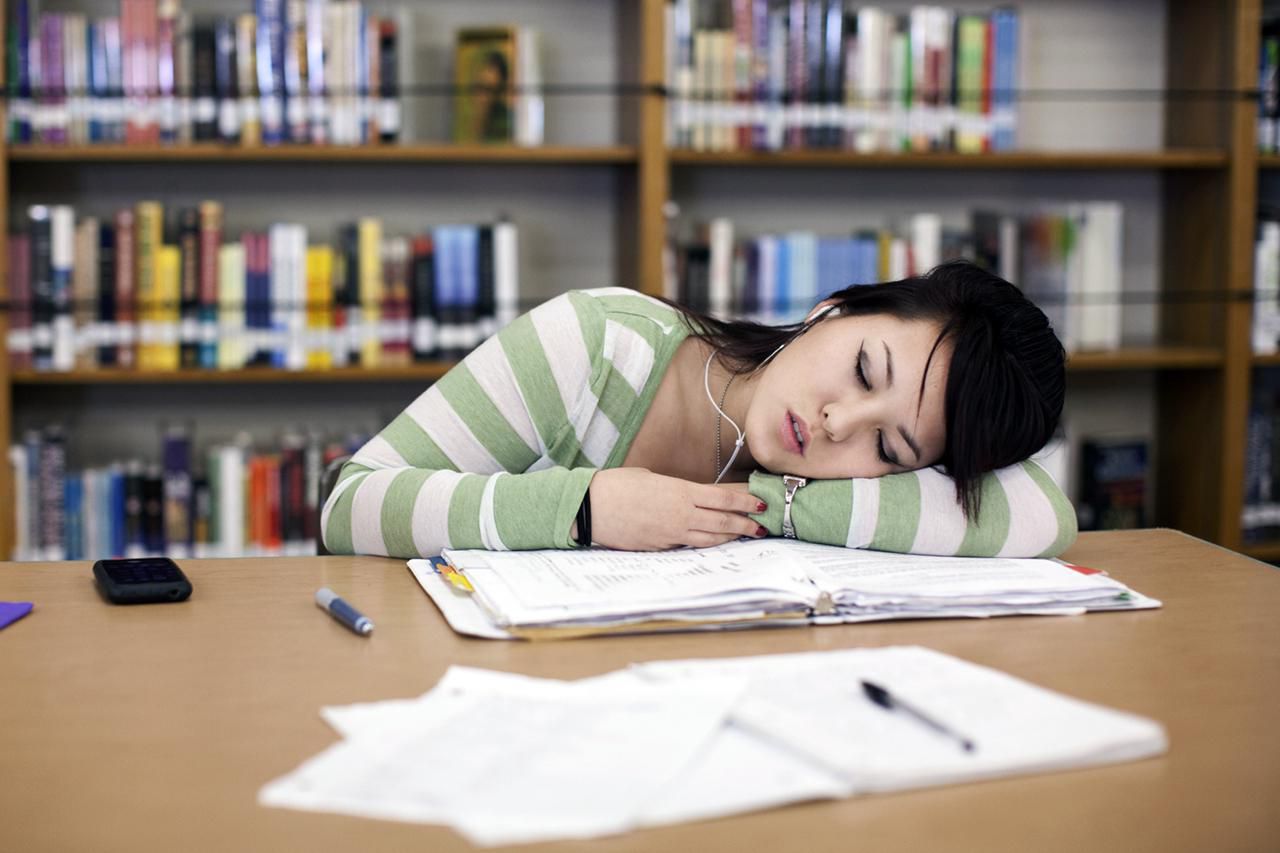
Students, with their packed schedules, are notorious for missing sleep. Unfortunately, operating in a sleep-deprived state puts you at a distinct disadvantage. You’re less productive, may find it more difficult to learn, and may even be a hazard behind the wheel.
Research suggests that sleep deprivation and daytime sleepiness are also linked to impaired mood, higher risk for car accidents, lower grade point averages, worse learning, and a higher risk of academic failure.
Don’t neglect your sleep schedule. Aim to get at least 8 hours a night and take power naps when needed.
2. Use Guided Imagery
Guided imagery can also be a useful and effective tool to help stressed students cope with academic, social, and other stressors. Visualizations can help you calm down, detach from what’s stressing you, and reduce your body’s stress response.
You can use guided imagery to relax your body by:
- Sitting in a quiet, comfortable place
- Closing your eyes
- Imagining a peaceful scene
Spend several minutes mentally basking in your restful image.
Consider trying a guided imagery app if you need extra help visualizing a scene and inducing a relaxation response. Research suggests that such tools might be an affordable and convenient way to reduce stress.
3. Exercise Regularly
One of the healthiest ways to blow off steam is to get regular exercise. Evidence indicates that students who engage in regular physical activity report lower perceived stress.
While these students still grapple with the same social, academic, and life pressures as their less-active peers, these challenges feel less stressful and are easier to manage.
Finding time for exercise can be challenging, but there are strategies you can use to add more physical activity to your day. Some ideas that you might try include:
- Doing yoga in the morning
- Walking or biking to class
- Reviewing for tests with a friend while walking on a treadmill at the gym
- Taking an elective gym class focused on leisure sports or exercise
- Joining an intramural sport
4. Take Calming Breaths
When your body is experiencing a stress response, you’re often not thinking as clearly as you could be. You are also likely not breathing properly. You might be taking short, shallow breaths. When you breathe improperly, it upsets the exchange of oxygen and carbon dioxide in your body.
Studies suggest this imbalance can contribute to various physical symptoms, including increased anxiety, fatigue, stress, emotional problems, and panic attacks.
5. Build Your Support Network
Having emotional support can help create a protective buffer against stress. Unfortunately, interpersonal relationships can also sometimes be a source of anxiety for students. Changes in friendships, romantic breakups, and life transitions such as moving away for college can create significant upheaval and stress for students.
One way to combat feelings of loneliness and ensure you have people to lean on in times of need is to expand your support network and nurture your relationships.
Look for opportunities to meet new people, whether it involves joining study groups or participating in other academic, social, and leisure activities.
Remember that different types of relationships offer differing types of support. Your relationships with teachers, counselors, and mentors can be a great source of information and resources that may help you academically. Relationships with friends can provide emotional and practical support.
6. Eat a Healthy Diet
You may not realize it, but your diet can either boost your brainpower or sap you of mental energy. It can also make you more reactive to the stress in your life. As a result, you might find yourself turning to high-sugar, high-fat snacks to provide a temporary sense of relief.
A healthy diet can help combat stress in several ways. Improving your diet can keep you from experiencing diet-related mood swings, light-headedness, and more.
Unfortunately, students are often prone to poor dietary habits. Feelings of stress can make it harder to stick to a consistently healthy diet, but other concerns, such as finances, access to cooking facilities, and time to prepare healthy meals, can make it more challenging for students.
Some tactics that can help students make healthy choices include:
- Eating regularly
- Carrying a water bottle to class
- Keeping healthy snacks such as fruits and nuts handy
- Limiting caffeine, nicotine, and alcohol intake
7. Find Ways to Minimize Stress
One way to improve your ability to manage student stress is to look for ways you cut stress out of your life altogether. Evaluate the things that are bringing stress or anxiety into your life. Are they necessary? Are they providing more benefits than the toll they take on your mental health? If the answer is no, sometimes the best option is just to ditch them altogether.
This might mean:
- Cutting some extracurricular activities out of your schedule
- Limiting your use of social media
- Learning to say no to requests for your time, energy, and resources
While it might be challenging at first, learning how to prioritize yourself and your mental well-being is an important step toward reducing your stress.
8. Try Mindfulness
When you find yourself dealing with stress—whether it’s due to academics, relationships, financial pressures, or social challenges—becoming more aware of how you feel in the moment may help you respond more effectively.
Mindfulness involves becoming more aware of the present moment. Rather than judging, reacting, or avoiding problems, the goal is to focus on the present, become more aware of how you are feeling, observe your reactions, and accept these feelings without passing judgment on them.
Research suggests that mindfulness-based stress management practices can be a useful tool for reducing student stress. Such strategies may also help reduce feelings of anxiety and depression.
Strategies That Offer Quick Stress Relief
- Grounding exercises: Try the 5-4-3-2-1 grounding technique, where you identify 5 things you can see, 4 things you can touch, 3 things you can hear, 2 things you can smell, and 1 thing you can taste.
- Journaling: Spend a few moments writing in a journal to explore your feelings, track your emotions, and jot down worries to help clear your mind.
- Breathing exercises: A quick way to calm down is to practice breathing exercises. These can be done virtually anywhere to relieve stress in minutes. Because they are fast-acting, breathing exercises are a great way to cope with moments of acute stress, such as right before an exam or presentation.
- Progressive muscle relaxation: Progressive muscle relaxation (PMR) involves tensing and relaxing all muscles until the body is completely relaxed. With practice, you can learn to release stress from your body in seconds.
- Listening to music: Stressed students may find that listening to relaxing music can help calm the body and mind. Research suggests that listening to relaxing music can help people lower their stress levels.
Why Stress Management Is Important for Students
A study by the American Psychological Association (APA) found that teens report stress levels similar to adults. This means teens are experiencing significant levels of chronic stress and feel their stress levels generally exceed their ability to cope effectively.
Stress can also affect health-related behaviors. Stressed students are more likely to experience disrupted sleep, a poor diet, and a lack of exercise. This is understandable, given that nearly half of APA survey respondents reported completing 3 hours of homework per night in addition to their full day of schoolwork and extracurriculars.
Common Causes of Student Stress
Why are students today so stressed? According to the APA’s “Stress in America” report, Gen Z and younger millennials are overwhelmed by stress. Common sources of student stress include:
- School
- Homework
- Extracurricular activities
- Social challenges
- Transitions (e.g., graduating, moving out, living independently)
- Relationships
- Pressure to succeed
- Work
- World events
Financial worries, loneliness and isolation, climate concerns, political strife, and the collective trauma linked to world events are all factors that play a part in the pressure on young people today.
Among High School Students
High school students face the intense competition of taking challenging courses, amassing impressive extracurriculars, studying for and acing college placement tests, and deciding on important, life-changing plans for their future. At the same time, they have to navigate the social challenges inherent to the high school experience.
Among College Students
This stress continues if students decide to attend college. Stress is an unavoidable part of life, but research has found that increased daily stressors put college-aged young adults at a higher risk for stress than other age groups.
Added challenges that make this transition more difficult include:
- Making new friends
- Handling a more challenging workload
- Feeling pressured to succeed
- Being without parental support
- Navigating the stresses of more independence
- Romantic relationships
Students often recognize that they need to relieve stress. However, all the activities and responsibilities that fill a student’s schedule sometimes make it difficult to find the time to try new stress relievers to help dissipate that stress.
When to Get Help
If stress and anxiety are causing distress or making it difficult to function in your daily life, it is important to seek help. Many schools offer resources that can help, including face-to-face and online mental health services. You might start by talking to your school counselor or student advisor about the stress you are coping with. You can also talk to a parent, another trusted adult, or your doctor.
