

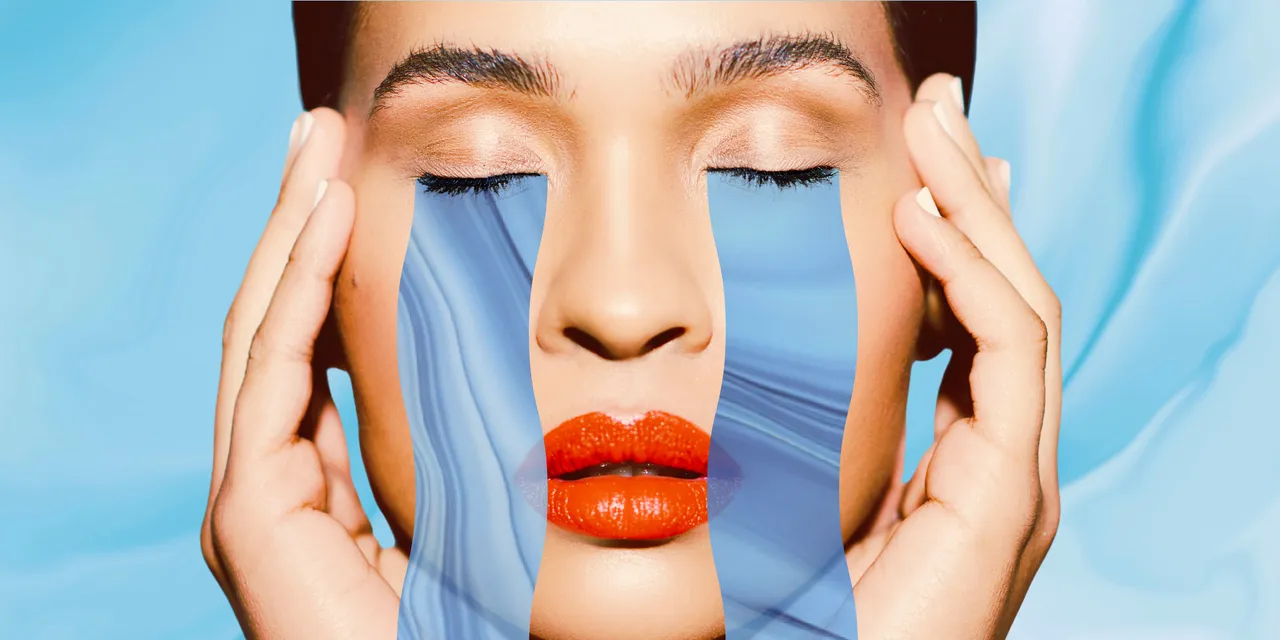
I’m a big crier. The tears flow when I’m feeling sad. Or grateful. Or frustrated. Awestruck, PMS-y, joyous, relieved…. You get the idea. I used to try and hide this tendency like it was something to be embarrassed about. But over time, I’ve come to appreciate my wailing ways for what they are: A healthy, beautiful part of my deeply feeling nature. (Pisces sun, Scorpio moon, hello!)
That said, the idea that crying easily is a sign of emotional fragility, weakness, or instability still gets traction. So I wanted to ask the experts on behalf of all us weeping willows: Is it okay to cry, like, kind of a lot?
“Shame and stigma certainly exists around crying,” psychologist Christina Pierpaoli Parker, PhD, assistant professor in the department of psychiatry and behavioral neurobiology at the University of Alabama at Birmingham Marnix E. Heersink School of Medicine, tells SELF. “But for me, that’s just an indictment of our culture’s incredibly poor understanding of emotions.” In other words: It’s a them problem, not a you problem.
So let’s talk about what crying actually does for you—and why shedding a tear (or two) more often than others is not only not a problem, but potentially a wonderful thing.
Why we cry, and why it’s good for us
Crying’s main function is to help us process and express strong emotions, clinical psychologist Lauren Bylsma, PhD, an associate professor of psychiatry and psychology at the University of Pittsburgh who has studied the neurobiology of crying, tells SELF.
This emotional crying is exclusive to our species. “We don’t see this kind of behavior in other living beings,” Grace Tworek, PsyD, a clinical health psychologist at Cleveland Clinic, says. “So expressing our emotions this way is really a part of what makes humans unique.” You might even say that being someone who cries often means you’re thoroughly enjoying your humanity—even if it means openly exploring emotions we consider “negative,” like sadness.
Many of us instinctively know there’s something cathartic about a good cry—and experts agree there are psychological benefits. “Crying, especially when alone, can serve as a sort of self-therapy,” Dr. Parker says. “It really forces you to think about whatever you’re crying about and to process it, and that can make you feel better.”
A healthy sob also helps your body regulate. When strong feelings (positive or negative) flood the body, it creates stress, Dr. Parker explains—and crying is like a pressure relief valve. “Tears relieve the psychological pressure that is accumulated within our sympathetic nervous system,” she says. Research shows that right before you start crying, the nervous system’s fight-or-flight response peaks, explains Dr. Bylsma. Once the tears start flowing, your nervous system’s relaxation response can start to kick in.
