

Around the world, elite sports organizations are rethinking the role of recovery—and embracing thermal environments as essential infrastructure within performance ecosystems. While saunas, steam rooms, and cold environments have long been central to global wellness cultures, their integration into high-performance athletics is accelerating rapidly.
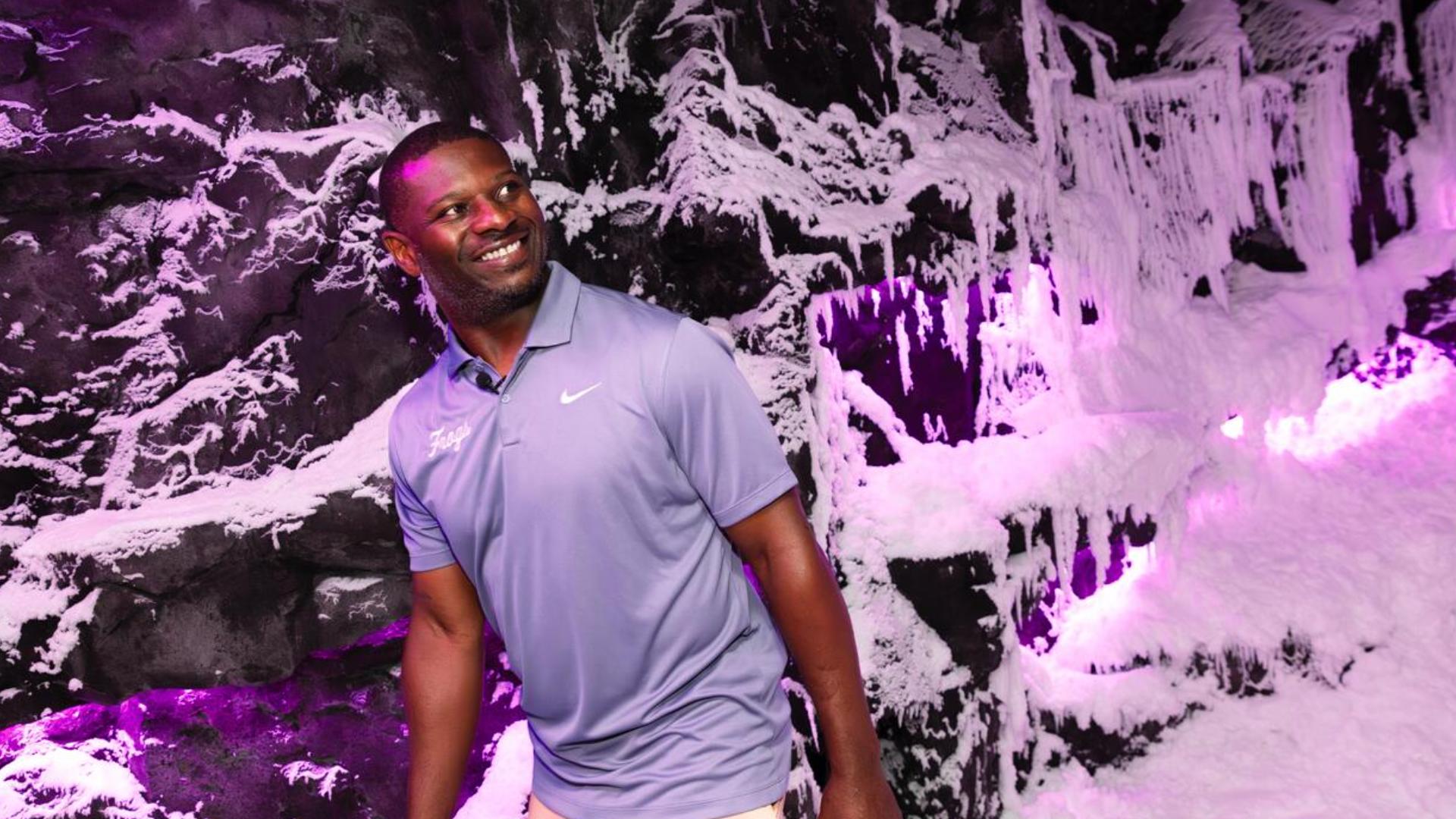
TCU in the United States offers a compelling case study. , the university introduced a large-scale thermal recovery suite that includes a sauna and SnowRoom purpose-built to support contrast therapy and high-frequency usage across multiple sports.
According to Deputy Athletics Director Gretchen Bouton, the design was intentional:
“These spaces provide the contrast therapy solutions our performance and medical teams were seeking—but at a significantly larger scale than anything we had previously.”
The result has been improved accessibility, greater self-directed recovery, and notably faster recovery times for soft-tissue injuries. The air-based cold environment, in particular, has increased adoption by eliminating the logistical barriers associated with traditional ice baths.
Perhaps most interesting from a behavioral standpoint is the cultural impact. Bouton notes that the thermal spaces have become a central gathering point where athletes from different teams overlap—an effect well documented in global communal bathing cultures.
TCU’s experience reflects a broader movement: as the science of heat and cold therapy continues to advance, collegiate and professional programs alike are investing in purpose-built thermal environments to enhance resilience, accelerate recovery, and support athlete wellbeing. The integration of these modalities marks an important convergence of high-performance sport and the world’s longstanding hydrothermal traditions—a convergence the GWI Hydrothermal Initiative will continue to explore and champion.
