

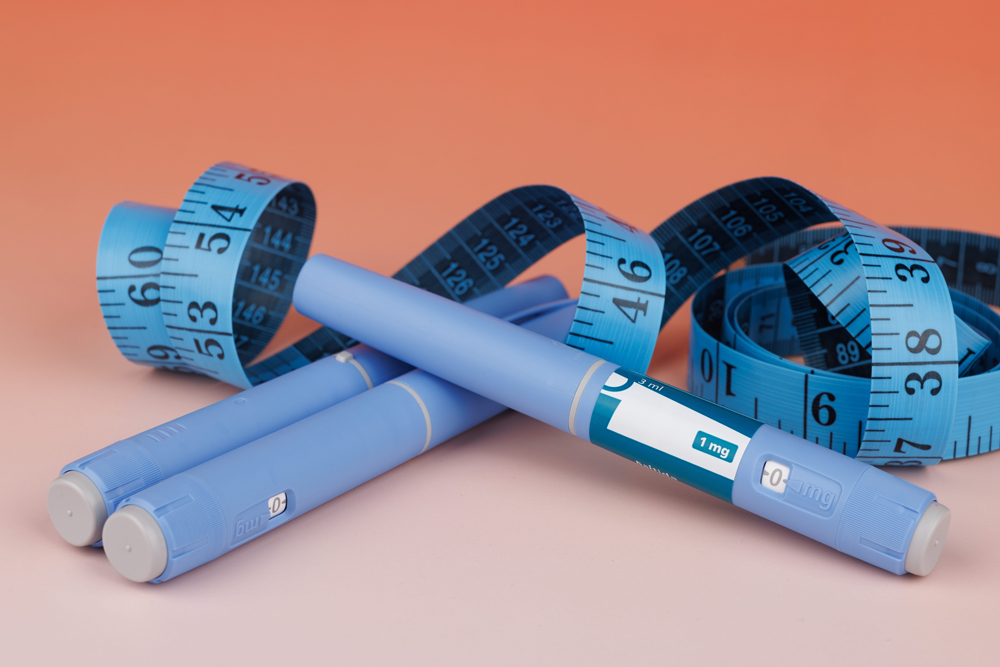
Are Americans more obsessed with weight loss than other cultures? Well, maybe we should be. The obesity statistics are scary. That said, could the obesity rate be on the decline? According to the Gallup National Health and Well-Being Index, after peaking at a record high of 39.9 percent in 2022, the U.S. adult obesity rate has gradually declined to 37.0 percent in 2025. This is a statistically meaningful decrease representing an estimated 7.6 million fewer obese adults compared with three years ago.
Obesity is among the easiest medical conditions to recognize but one of the most difficult to treat. Unhealthy weight gain is responsible for more than 300,000 deaths each year. Globally, this figure is much higher, with at least 2.8 million people dying annually due to being overweight or obese. The annual cost to society for obesity is estimated at nearly $100 billion.
In the U.S., there are “support” programs like Weight Watchers. There are mail order programs like Nutrisystem. There are weight-loss drugs, weight-loss shakes, weight-loss bars and even weight-loss surgery. Americans want quick fixes, but the results are painfully obvious—a culture that has still not figured out a long-term solution to weight management.
Well, that may be changing. Over the past year, more Americans have turned to type 2 antidiabetic GLP-1 drugs such as semaglutide (brand names Ozempic and Wegovy) for weight loss. According to Gallup, the percentage of adults who report taking this class of medicine specifically for weight loss has increased to 12.4 percent, compared with 5.8 percent in February 2024. Usage among women (15.2 percent) continues to outpace men (9.7 percent), but both groups have more than doubled their use in the past year. These results dovetail with increased awareness of the drugs used for weight loss, which has risen from 80 percent to 89 percent nationally in the same period.
Will taking GLP-1 drugs provide a long-term solution that ultimately create permanent results? Do GLP-1 drugs help to decrease fatty tissue and increase the ratio of lean muscle tissue to adipose (fat) tissue in the body? The science support this. An increase in lean tissue not only burns calories but also gives women their shapely figures and men their muscle tone. In any successful weight-loss regimen, you will be able to judge yourself by how you look in the mirror and how your clothes fit rather than by how much you weigh.
GLP-1 (glucagon-like peptide-1) medications were originally developed to treat type 2 diabetes, but researchers soon discovered that one of their side effects—reducing hunger—made them highly effective for weight loss.
Semaglutide is a synthetic version of the GLP-1 hormone that is naturally produced in your intestines. It mimics this hormone’s effects on blood sugar control and appetite regulation. When you eat, your intestines release this hormone, which signals to your brain that you’re satisfied and slows down how quickly food moves through your stomach. GLP-1 drugs amplify these natural signals, helping you feel full longer and reducing those food cravings that can derail your weight loss efforts.
The results can be impressive. According to a Feb. 2021 New England Journal of Medicine Study, people using semaglutide for weight loss saw a loss of 14.9 percent of their body weight in 68 weeks—significantly more than what’s usually achieved through diet and exercise alone.
If you are one in eight U.S. adults that have type 2 diabetes (more than 800 million worldwide) and over 115 million that have prediabetes, type 2 diabetes makes weight loss more difficult. In fact, the average weight loss on GLP-1 medications is lower in people with diabetes than those without diabetes.
According to the FDA (U.S. Food and drug Administation), GLP-1 medications are primarily for adults with type 2 diabetes or obesity with a BMI of 30 or higher. If you have weight-related conditions, including high blood pressure, GLP-1 medications can be taken with a BMI (body mass index) of 27 or higher.
GLP-1 medications are not for everyone due to potential side effects and cost. GLP-1s have been extensively studied and are considered safe when prescribed and monitored by a health care professional. But, like any medication, they come with potential side effects, including:
• Nausea, vomiting, constipation and diarrhea
• Fatigue or dizziness (especially as your body adjusts)
• Muscle loss (if you’re not eating enough)
GLP-1s can help you lose weight, but they aren’t a magic fix. To see the best results, you’ll need to combine them with healthy habits, including a healthy diet. When people think about foods that promote weight loss, the thinking goes back to low-calorie foods. Well, it is much more than that. And one of the keys to losing weight or maintaining an ideal weight is including fiber in the diet. While not a magic bullet, fiber significantly helps with satiety. And this makes perfect sense. As previously mentioned as a GLP-1 benefit, one of the key weight control challenges is to control hunger. Appetite is affected by many things, including when you eat and the composition of meals—the amount of fats, carbohydrates, protein, fiber and water. Consuming healthy high-fiber foods makes you feel full. There are a wide range of great high-fiber natural products in health food stores and online. Just the other day I sampled a 100 percent natural high-fiber ice cream that was low in fat, sugar and calories and had 15 grams of protein to boot.
Sugar and refined carbohydrates are directly responsible for the obesity epidemic in the U.S. The problem with sugars and refined foods is that they are so addictive and exist in a wide range of processed foods. And processed foods are all around us. While there are plenty of reasons to avoid sugar and refined carbohydrates, is it realistic to think we can eliminate them from our diet? Natural products companies, e-tailers and retailers must educate people about nutritious foods and the information that is presented on food labels. And this is easier said than done. Sugars alone are too numerous to list here.
Strategically incorporating dietary supplements into your weight management and exercise routine can also yield some beneficial results. Pure green coffee bean Extract has generated significant buzz for its ability to improve energy levels, fat metabolism and weight loss. Researchers have discovered that unroasted green coffee beans possess a natural polyphenolic antioxidant called chlorogenic acid, which is related to chlorophyll. Chlorogenic Acid inhibits the release of glucose into the bloodstream. The presence of chlorogenic acid in the body triggers the body to convert stored fat in the body into energy, rather than using glucose in the liver to create energy. This essentially melts the fat off the body while increasing metabolism and lowering blood pressure. And studies show efficacy!
In fact, according to a recent study on green coffee bean published in the Diabetes, Metabolic Syndrome and Obesity journal, a group of 16 adults supplemented with green coffee bean for only 12 weeks. Over the course of the study, the subjects lost an average of 17 pounds each. This was 10.5 percent of their overall body weight and 16 percent of their overall body fat! These results are very compelling and could be an effective weapon against the obesity epidemic moving forward. Dietary supplement companies have been quick to develop green coffee bean supplements and natural products e-tailers and retailers have been quick to stock their shelves.
As the obesity epidemic rages on, the topic of weight management will continue to be a hot button on several health fronts. And as Summer approaches, people tend to care more about what they look like in board shorts or a bikini. You can bet the number of Americans who have turned to type 2 antidiabetic GLP-1 drugs will continue to increase. And their efficacy is undeniable. The question remains will consumers implement a strategy in their daily nutrition routines in combination with GLP-1 drugs that will promote a long-term solution to their weight—management challenges.VR
Mark Becker is a regional sales manager for Sudeep Pharma USA Inc. a principal nutritional ingredient manufacturer based in Branchburg, NJ. He has worked as a natural products sales and marketing executive for 35 years. Mark has written more than 300 articles and has hosted or been a guest on more than 500 radio shows. He obtained a Bachelor’s degree in journalism from Long Beach State University and did his Master’s work in communications at Cal State Fullerton. For almost 45 years he has participated in numerous endurance events, including more than 150 triathlons of Olympic distance or longer, 103 marathons and numerous other events including ultramarathons and rough water swims from Alcatraz to the mainland. He has relied on a comprehensive dietary supplement regimen to support his athletic, professional and personal endeavors. For more information, access www.sudeeppharma.com or www.AlliedBioNutrition.com.
