

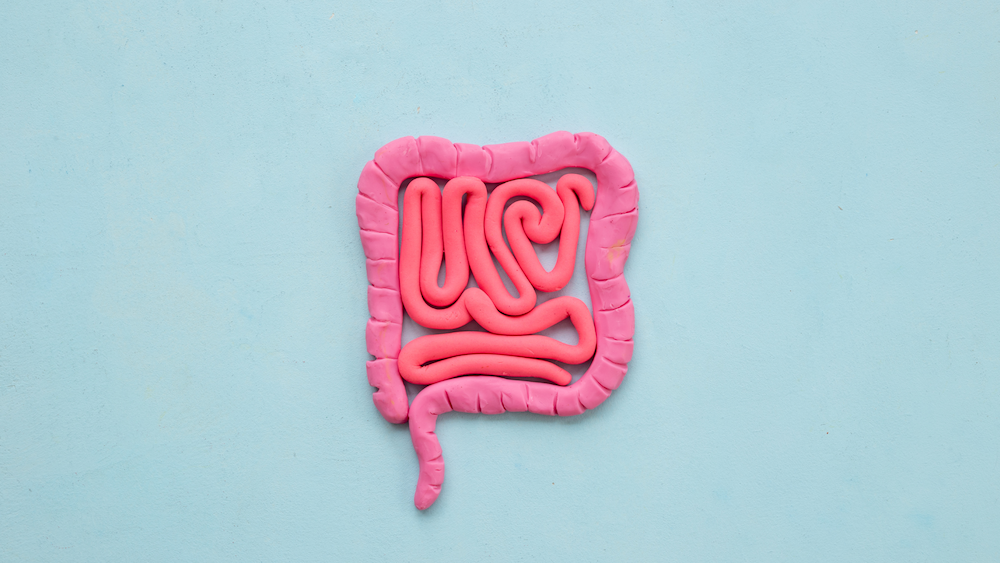
If your hair is getting thinner, it is easy to assume the problem starts on your scalp.
Maybe it is your shampoo. Maybe it is stress. Maybe it is hormones.
Sometimes, though, the issue starts deeper.
Sometimes, it starts in the gut.
That does not mean every case of hair loss is caused by “bad gut health.” But it does mean some digestive problems can absolutely become part of the picture, especially when they affect nutrient absorption, create chronic inflammation, or leave the body undernourished. Cleveland Clinic defines malabsorption as a disorder that prevents your body from effectively absorbing nutrients from food, and notes that over time it can lead to malnutrition.
So, can gut problems really cause hair loss?
Sometimes, yes.
Usually not in a dramatic “gut issue equals baldness” kind of way. More often, gut problems affect hair indirectly. If your digestive system is not breaking food down properly, absorbing nutrients well, or staying healthy enough to support your body, your hair may start showing signs of that strain. Cleveland Clinic notes that signs of malnutrition from malabsorption can include dry hair and hair loss.
That is a big reason this topic matters.
Hair follicles are active little structures. They need enough protein, iron, vitamins, minerals, and overall energy support to keep cycling normally. The American Academy of Dermatology says not getting enough nutrients such as iron or protein can lead to hair loss, and that eating too few calories every day can also cause significant hair loss.
Why the gut matters so much for hair
A lot of people focus on what they eat.
But your body also has to digest and absorb what you eat.
That is where the gut comes in.
Cleveland Clinic explains that most nutrient absorption happens in the small intestine, and many malabsorption disorders involve damage to its lining. When that process is impaired, the body may not absorb enough of the nutrients it needs, even if the diet itself looks decent on paper.
And when that goes on long enough, the effects can show up in places you might not expect at first.
Not just in digestion. Not just in energy levels. But in your hair, too. Cleveland Clinic specifically lists weight loss, anemia, fatigue, dry skin, dry hair, and hair loss among signs that can appear as malabsorption leads to malnutrition.
The absorption angle: what your hair may be missing
One of the biggest ways gut problems can affect hair is by making it harder to absorb the raw materials hair needs.
For example, Cleveland Clinic notes that fat malabsorption can reduce absorption of the fat-soluble vitamins A, D, E, and K. It also explains that chronic digestive disease can interfere with the body’s ability to absorb nutrients more broadly.
That matters because hair loss often has a nutrition component. AAD says blood tests can help reveal whether someone is not getting enough certain nutrients, including iron, biotin, or zinc, and notes that low protein intake can matter too.
So the issue is not always, “Are you eating enough?”
Sometimes it is, “Is your body actually able to use what you are eating?”
Gut conditions that are especially relevant
Some digestive conditions are more strongly tied to this than others.
Celiac disease is a good example. NIDDK says untreated celiac disease damages the small intestine, and that damage can lead to malabsorption and malnutrition. It also notes that once someone is diagnosed, doctors may test for low levels of certain vitamins and minerals.
Celiac disease can also come with clues outside the hair itself. NIDDK lists symptoms such as bloating, chronic diarrhea, greasy stools, abdominal pain, fatigue, and other extraintestinal symptoms.
Inflammatory bowel disease matters too. Cleveland Clinic lists Crohn’s disease and ulcerative colitis among causes of malabsorption. A review on micronutrient deficiencies in IBD notes that people with IBD may have low levels of selenium, folic acid, vitamin A, vitamin K, vitamin B12, vitamin D, zinc, and iron.
And then there are other digestive conditions that can interfere with normal absorption. NIDDK says exocrine pancreatic insufficiency can keep the small intestine from digesting food completely because of problems with pancreatic enzymes, which can lead to malabsorption.
So while “gut problems” is a broad phrase, there are very real digestive disorders that can create the kind of internal environment where hair may struggle.
The inflammation angle
Absorption is not the whole story.
Inflammation may matter too.
When the gut is chronically inflamed, the body is dealing with more than a simple digestion problem. It is dealing with ongoing stress and immune activity, which is one reason inflammatory gut diseases can have effects beyond the digestive tract. Cleveland Clinic notes that inflammation and injury to the small-intestinal lining can impair absorption, and inflammatory bowel diseases are among the conditions that can do this.
There is also growing interest in the gut-skin axis and gut-hair axis. A 2023 review found evidence that scalp, hair follicle, and gut microbiome alterations are associated with various forms of alopecia. But the same review is clear that this area still needs more high-quality research and that the direct connection is not fully established yet.
That is an important nuance.
The microbiome theory is interesting. It may turn out to matter a lot. But it is still too early to say that probiotics or “gut hacks” are a proven fix for thinning hair.
What gut-related hair loss often looks like
Usually, this kind of issue looks more like diffuse shedding or overall thinning than one perfect bald patch.
You may notice: more hair in the shower, more strands on your clothes or pillow, a ponytail that feels smaller, or hair that just seems less full than it used to.
And often, hair changes show up alongside other clues that something bigger may be going on. Things like bloating, diarrhea, greasy stools, abdominal pain, unexplained fatigue, weight loss, or known nutrient deficiencies can all make the gut a more relevant suspect. NIDDK lists many of those symptoms with celiac disease, and Cleveland Clinic lists them with malabsorption more broadly.
Signs the gut may be part of the picture
A gut issue is more worth considering when hair thinning shows up with things like:
- chronic bloating or abdominal pain
- chronic diarrhea or greasy stools
- fatigue or feeling run down
- weight loss without trying
- low iron, B12, zinc, or vitamin D
- a diagnosed condition like celiac disease, Crohn’s disease, ulcerative colitis, or pancreatic insufficiency
That does not prove the gut is the cause.
But it does make it a much more reasonable place to look.
What to do next
If you suspect a digestive issue may be affecting your hair, the goal is not to throw random supplements at the problem.
The better move is to figure out the root cause.
AAD says blood tests can help show whether you are low in certain nutrients, and NIDDK notes that doctors may test for low vitamin and mineral levels in conditions like celiac disease.
So if hair thinning is happening alongside digestive symptoms, it may be worth discussing: possible malabsorption, iron or ferritin, B12, folate, zinc, vitamin D, protein intake or absorption, and whether a condition like celiac disease or IBD needs to be ruled out.
Just as important, AAD warns against blindly taking hair supplements without knowing whether you are actually deficient. It notes that too much selenium, vitamin A, or vitamin E has been linked to hair loss.
So this is one of those situations where guessing can waste time and sometimes make things worse.
The good news
If the gut is contributing to your hair problem, that is actually useful information.
Because it means there may be something real and treatable behind the thinning.
For example, NIDDK says that following a strict gluten-free diet can relieve celiac symptoms and help heal small-intestinal damage, which helps prevent ongoing malabsorption.
In other words, when the digestive issue improves, the hair may have a better chance of getting the support it has been missing.
The bottom line
Yes, gut problems can contribute to hair loss.
Not because every digestive complaint magically causes baldness, but because the gut plays a major role in absorbing nutrients, maintaining the intestinal barrier, and helping the body stay out of a chronically depleted state. When that system is not working well, hair may be one of the places where the strain starts to show.
So if your hair is thinning and you also have digestive symptoms, unexplained deficiencies, or a known GI condition, it is worth looking beyond the scalp.
Sometimes the real issue is not what you are putting on your hair.
It is what your gut is failing to give it.
A simple way to support healthier-looking hair from within
If gut problems are part of the issue, the first priority is addressing that underlying digestive problem and any deficiencies it has created.
But while you work on the bigger picture, many people still want a simple way to support their hair directly.
That is where Purality Health’s Hair Renewal fits in.
Hair Renewal features AnaGain™ Nu, a water-soluble extract from organic germinated pea seeds, with clinical results showing improved visual hair density and reduced hair loss.
>> Deliver direct support to your follicles with AnaGain Nu by tapping right here
