

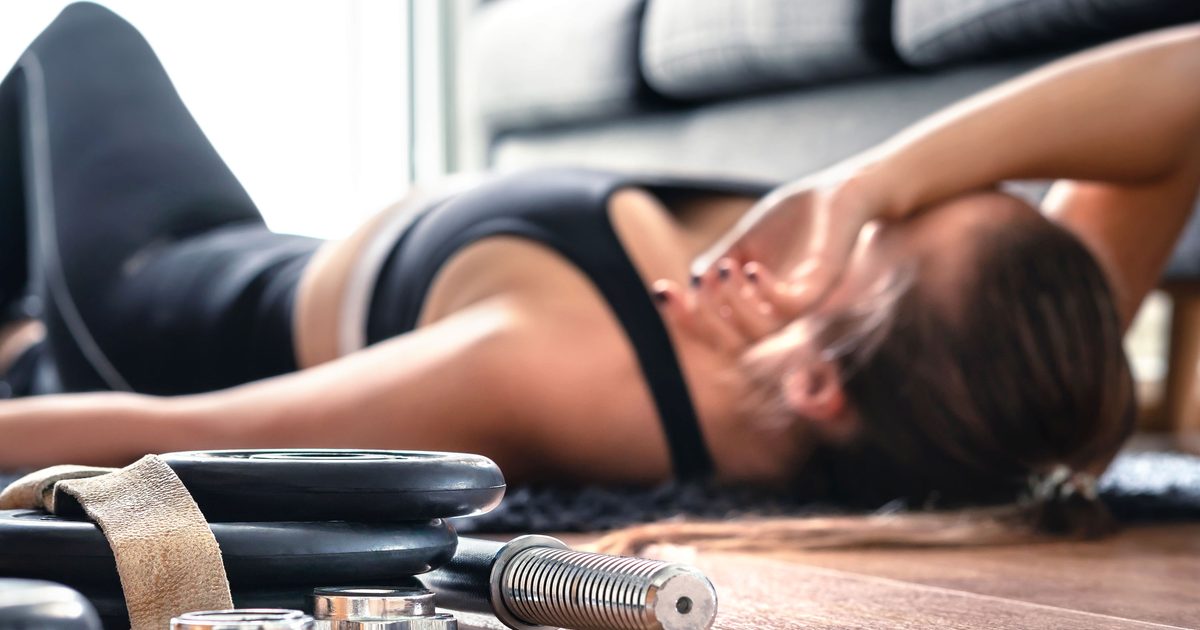
If someone had told me a few years ago that exercising too much would show up dramatically in my hairline, skin and mental health, I doubt I would have believed them. I have always been a ‘more is more’ kind of person when it comes to exercise. An hour of morning cardio, weights at lunchtime, spin classes in the evening and hitting my step goal, all with the belief that if I was not sore or exhausted, I had not done enough.
But if I had seen the outcome waiting for me, I would have stopped immediately.
Alongside working full time in the media, I am a natural bodybuilder, competing in strictly drug-tested events. But it was hard not to compare my progress with ‘assisted’ athletes who compete in untested shows. I tried to keep up with impossible standards, pushing harder and resting less, until discipline eventually turned into damage.
How I fell into over-training and under-fuelling
Balancing a nine-to-five job with four hours of training a day meant my diet choices had to be fast and easy to repeat for consistency. Most days followed the same pattern. A post-cardio protein shake, oats with blueberries and zero per cent fat Greek yogurt, and a small protein bar as my daily ‘treat’. Main meals were chicken or lean mince with microwave rice and prepped vegetables, with the occasional calorie-counted ready meal from Field Doctor or the M&S healthy range when time ran out.
Protein and carbohydrates were evenly split, fats were kept low and everything was fuelled by supplements, zero-sugar energy drinks, far too much black coffee and around six litres of water a day. On paper, aside from the copious amount of caffeine, it looked relatively clean and controlled as I worked towards my bodybuilding shows.
Calories sat at around 1,800 to 2,000. While that might suit some people, it was nowhere near enough for the training volume I was clocking up. Protein intake was high, but carbohydrates and fats were too low to support recovery, hormones or basic physiological function.
That mismatch showed up in my blood work. I test three times a year using Medichecks because I know I physically push my body hard. So, this is a useful indicator of when I need to take a breather or any deficiencies I need to look into. This time, results showed chronically elevated cortisol and early thyroid issues. Around the same time, I lost my period.
Losing periods in this context is not a minor side effect, says Dr Jack McNamara, senior lecturer in clinical exercise physiology at the University of East London. It is a recognised clinical warning sign of relative energy deficiency in sport, known as RED-S. RED-S occurs when prolonged under-fuelling disrupts hormonal function and can affect bone health, metabolism, immunity and long-term wellbeing. At the time, I did not fully appreciate how serious that was.
The early signs of damage
The early warning signs were not dramatic injuries or sudden drops in performance. They were subtle. Small aches stayed longer than they should have. But caffeine powered me through weary sessions. The mentality among fellow bodybuilding athletes at the time was to put up with the short-term struggle.
What caught me off guard though were the changes I could not explain as just fatigue . My hair began to thin. My skin erupted into painful breakouts. My mood became unpredictable and reactive.
After months of ignoring it, I began to realise these were not separate issues. This was my body shouting out for recovery.
Sign: Thinning hair
The first visible sign was my hair. A friend commented on it and once I noticed, I could not unsee it. My hairline looked thinner and the shower drain filled with extra strands.
What causes it:
“Training does not directly cause hair loss, but chronic physical stress can push the body into survival mode,” explains Kieran Tudor, award-winning hair and scalp wellness expert. “When recovery and calories are lacking, energy is diverted towards essential systems. Hair growth is not prioritised.”
Hormones also play a role. Intense, prolonged training keeps cortisol elevated. Over time, this can push more hair follicles into the shedding phase.
“Hard training combined with under-fuelling depletes nutrients needed for hair structure and growth,” says nutritionist Kerry Torrens. “Key nutrients such as protein, iron, zinc, niacin and biotin come under pressure.”
My blood work reflected exactly that. Chronically high cortisol, borderline thyroid markers and menstrual disruption all pointed to prolonged stress and low energy availability.
How to fix the damage:
When I showed my results to a GP, she suggested swapping bodybuilding for pilates. While well intentioned, the advice missed the point according to Dr McNamara. The issue was not the type of training I was doing, but the overall load and lack of recovery. I did not stop lifting weights. Instead, I pulled back on daily cardio, reduced volume and allowed proper rest days lounging in my leg compression boots, which can help support with inflammation.
Diet changes mattered too. I added variety to my meals, including iron-rich leafy greens, omega-3 fats and enough carbohydrates to support recovery. Perhaps one area I had underestimated was the energy cost of building new muscle, so I re-evaluated my nutrition needs to align with my exercise goals.
I also simplified my hair care routine, used silk pillowcases and invested time in scalp treatments to improve circulation. In addition, I tried the Currentbody red-light therapy hair regrowth helmet. While the evidence base is still developing and it is not a miracle cure, I found it supported regrowth alongside improved nutrition and reduced training stress.
Sign: Skin breakouts
My skin followed a similar pattern. Occasional breakouts turned into painful, cystic acne along my jawline and cheeks – areas that had always previously been clear. They were inflamed, persistent and resistant to quick fixes.
What causes it:
“Chronic physical stress disrupts hormonal signals, increases oil production and drives inflammation,” explains Dr Ahmed El Muntasar, an award-winning aesthetics doctor. “Poor sleep, heavy sweating, frequent hot showers and inadequate nutrition weaken the skin barrier, making breakouts more likely.”
How to fix the damage:
I focused on calming things from the inside first. That meant eliminating sugar-free energy drinks, prioritising sleep, improving hydration and reintroducing dietary fats that support skin health.
I also cleaned up my supplements, switching to protein powders without fillers, artificial sweeteners or unnecessary additives. Research suggests that dairy and some highly processed foods may exacerbate acne for some by influencing insulin, IGF-1 and inflammatory responses, although evidence varies between people. I switched cheaper bulk-buy protein powder brands for organic options including The Organic Protein Co. and Organised.
In my skincare routine, I used LED therapy along with polynucleotide and microneedling treatments, all aimed at stimulating cellular repair, collagen production and skin regeneration. The process was slow, expensive and required patience, but over time scarring and inflammation began to reduce.
Sign: Poor mental health and mood
The most unsettling change was my mood. I was not just tired. I was irritable, emotional and more anxious than usual. Small inconveniences felt overwhelming and my family joked about my short fuse.
What causes it:
According to Dr McNamara, this is one of the most overlooked signs of overtraining: “When training consistently outpaces recovery, stress hormones like cortisol stay elevated for longer than they should. Over time, this can disrupt the brain chemicals that regulate mood and motivation. Irritability, anxiety and emotional swings are often among the earliest signs of overtraining, and the easiest to dismiss. Most people blame a bad day on life stress, when it is actually the body telling them to pull back.”
How to fix the damage:
Once I recognised this, I had to rethink my relationship with training. Magnesium supplements supported relaxation and sleep. Wearing an Oura ring helped highlight just how depleted I was, although I had to be careful not to obsess over the data and instead use it as a reminder to rest and rebuild rather than push harder.
Recovery
Looking back, the biggest lesson is that overtraining rarely announces itself through obvious failure. It shows up in ways we dismiss as vanity issues or personality flaws. Hair that sheds more than usual, skin that refuses to settle or moods that feel off.
But I now know that rest is not the enemy of progress. When I finally treated recovery with the same respect as intensity, my energy returned, hair became thicker and skin started to smooth out. Training became something I enjoyed again, rather than something I used to punish my body.
Enjoyed this? Now try…
How much exercise should I do each day?
The best fitness trackers to buy
The benefits of exercise on mental health
What is the healthiest exercise?
Browse our all our fitness content
All health content on goodfood.com is provided for general information only, and should not be treated as a substitute for the medical advice of your own doctor or any other health care professional. If you have any concerns about your general health, you should contact your local health care provider. See our website terms and conditions for more information.
