

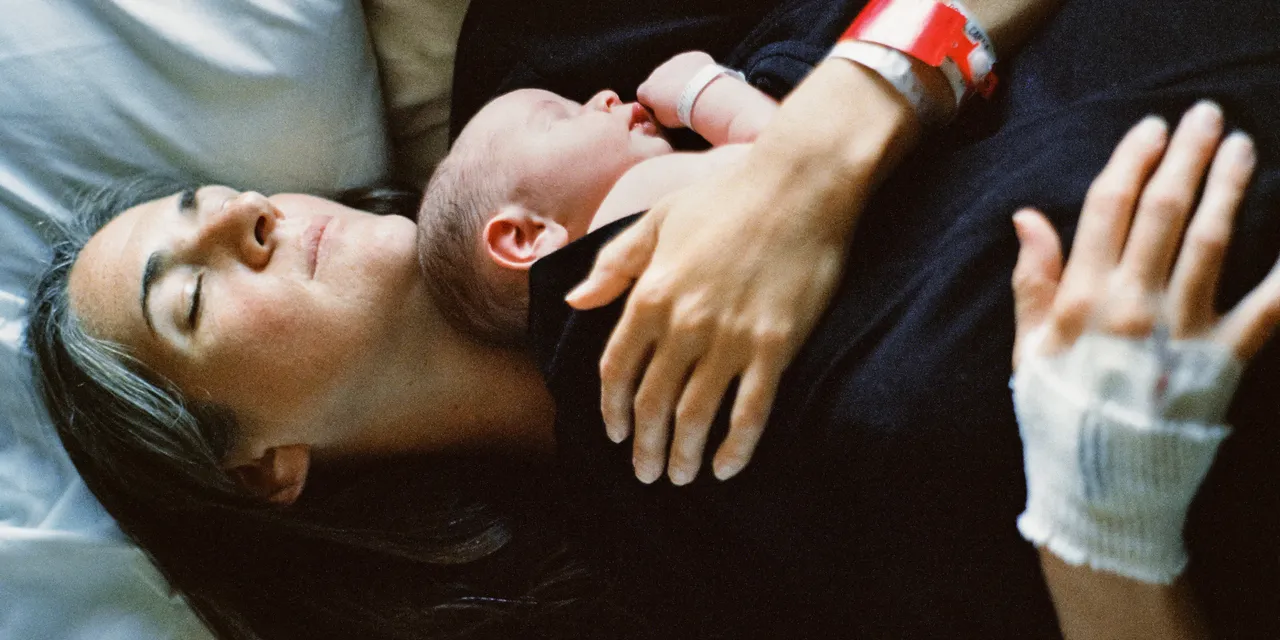
It didn’t take long for Terrell Baldock, then 37, to sense that something was different in the wake of her third pregnancy. The prior two times she’d been postpartum, she hit a turning point within the first six months when the “bringing-home-a-baby” anxiety lifted and she was sleeping through the night, she tells SELF. But this time, months passed, and “nothing was improving,” she says. If anything, she felt worse: “There were the wake-ups with the kids, but then I wasn’t going back to sleep, and I was wired and tired,” she says. “I was more depressed, more anxious. And I had a ‘screaming at strangers in parking lots’ kind of rage.”
Baldock’s doctor figured it was postpartum depression. She went to therapy and tried an antidepressant, then an antipsychotic because “nothing was working,” she says. It wasn’t until 13 months postpartum, when a naturopathic doctor ran bloodwork, that she learned her levels of the sex hormone progesterone were low—an indicator of perimenopause, or the phase preceding menopause, when hormone changes can cause an array of mental and physical symptoms.
As of late, more women are experiencing both postpartum and perimenopause at once, Jessica Shepherd, MD, a board-certified ob-gyn and chief medical officer at the telehealth platform Hers, tells SELF. Postpartum symptoms “can take upward of a year to resolve,” she points out. Meanwhile, perimenopause can span anywhere from a couple years to a decade prior to menopause, meaning it can arrive as early as your late 30s. And a growing number of women in the US are waiting until then, or later, to have kids, thanks to changing cultural norms and a boom of fertility medicine. In fact, a 2025 CDC report showed that the number of births among women ages 35 to 39 has nearly doubled since 1990, and for the first time, in 2023, more babies were born to women aged 40 and over than to teens. So it’s no wonder even first-time moms are becoming more likely to hit perimenopause while postpartum.
It was the case for Anu Sharma, age 45. She delayed starting a family to pursue her career and, at 39, had a traumatic birth experience—which inspired her to create the San Francisco–based maternity clinic Millie. “People think it’s a linear process: You have a baby, and then you’re postpartum, and then a few years later you find yourself in perimenopause. But it can all happen kind of concurrently,” she says, describing her postpartum period as “one big blur” of mood changes, weight gain, fatigue, and hair loss. In 2025, Sharma expanded Millie’s offerings to include menopause care after learning that so many Millie patients were also caught in what she calls “postpartum-perimenopause hot soup.”
