

2026 Trends
Initiative Co-Chair: Professor Gerry Bodeker, Member at Green Templeton College, University of Oxford, UK and Malaysia
Initiative Vice-Chair: Trent Munday, Senior Vice President, Mandara Spa, Thailand
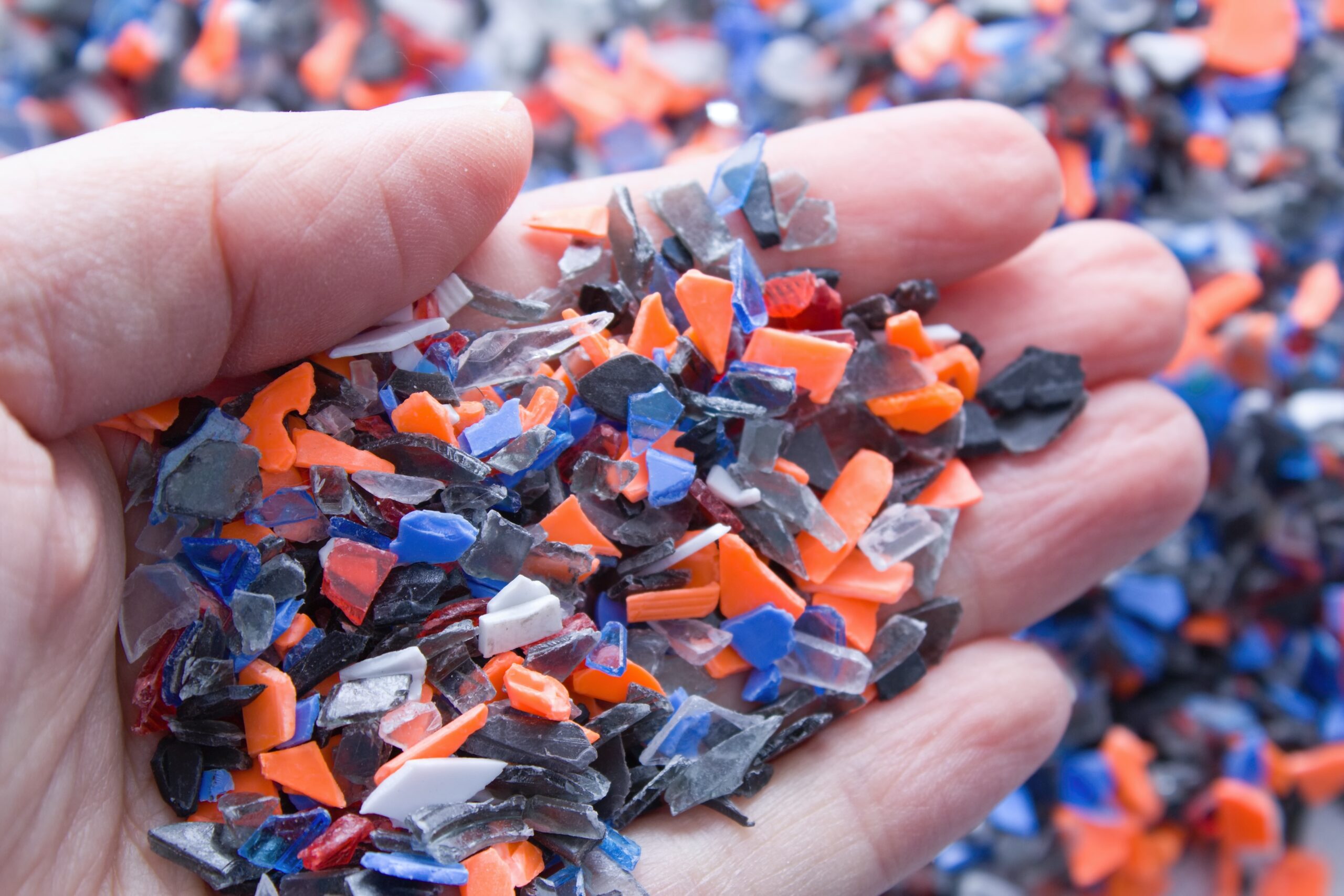
Once seen primarily as an environmental concern, the plastic crisis has now crossed a new frontier—into our food, water, air and even our bodies. Microplastics, defined as plastic particles smaller than 5 mm (5000 m) in diameter and nanoplastics defined as even smaller, ranging from 1 to 1000 mm (0.001 to 1 m) in size, have been discovered in human blood, lungs and placentas.
These discoveries redefine plastic pollution not only as an ecological issue but also as one of the greatest health and wellness challenges of our time. Microplastics reach us through three main portals—ingestion, inhalation and skin—resulting in health consequences we’re only beginning to see These include:
- Inflammation and oxidative stress
- Endocrine and reproductive effects
- Immune system disruption
As evidence mounts linking microplastics to inflammation, hormonal imbalance, cognitive disruption and fertility decline, the wellness industry faces both an ethical responsibility and an extraordinary opportunity. With its global reach, its influence over consumer habits and its alignment with sustainability and self-care, the wellness sector can lead humanity’s collective detox from awareness to action.
Resource:
Plastic Inc., Beth Gardiner, Penguin Random House, New York. Feb 2026
TREND 1: The Wellness Industry Is Forging a New Role and Set of Responsibilities
Consumer Education
Wellness brands have the credibility to translate science into everyday action. COMO Hotels & Resorts and Six Senses have already piloted zero-plastic amenities and sustainability briefings for guests. IHG Hotels & Resorts (parent of Six Senses) is rolling out the “Journey to Plastic Freedom” playbook across its portfolio. Marriott International is actively reducing single-use plastics across their properties in response to guest demand. Soneva, a pioneer in sustainability, is using on-site water bottling and banning plastic straws. By framing plastic reduction as self-care, not sacrifice, the industry can change consumer psychology.
It is important to note that without immediate and sustained new commitments throughout the plastics value chain, annual flows of plastics into air, land and water will grow more than 120% by 2040 and cause a 75% increase in human health impacts.
This growing plastic pollution crisis poses increasing risks to corporations which could face collective annual financial risks in the hundreds of billions of dollars should governments require them to cover the waste management costs of the packaging they produce.
Resource:
- Pew Trust. Breaking the Plastic Wave, 2025: https://www.pew.org/en/research-andanalysis/reports/2025/12/breaking-the-plastic-wave-2025
TREND 2: Product Reformulation
Personal-care and supplement brands can audit formulas for hidden polymers. Aveda, Lush and Weleda have phased out microbeads and switched to biodegradable packaging. The next frontier is eliminating microplastics in emulsifiers and encapsulation agents—the invisible plastics. “Microplastic-free” can become a wellness standard, as “paraben-free” once did.
Resource:
TREND 3: Hospitality and Design
Hotels and spas are leading through material choices: glass dispensers, bamboo amenities and uniforms made of organic cotton or Tencel. The Well Building Standard and EarthCheck certifications now recognize plastic minimization as part of sustainable operations—linking wellness architecture with measurable health outcomes.
The Wellness Architecture Initiative of the Global Wellness Institute, in a new white paper, notes: “As buildings have become more airtight for energy efficiency, they have also begun to trap microscopic particles released from synthetic materials such as carpets, upholstery, paints and finishes. These particles are now being detected in human lungs and bloodstream, raising concerns about long-term health impacts.”
Key sources in contemporary interiors include:
- Carpets and rugs – particularly polypropylene or nylon
- Synthetic textiles – polyester, nylon, acrylic
- Furniture foams and upholstery – polyurethane
- Paints and coatings – even water-based VOC-free paints derived from petrochemicals
- PVC, laminate, vinyl and rubber flooring
- MDF and melamine furniture
- Vinyl-backed wallcoverings and adhesives
- Accessories and styling objects
The white paper concludes that: “Plastic-free or plastic-reduced interiors are no longer viewed as a niche or luxury, but as a fundamental component of healthy building design. By addressing pollutants at their source, wellness architecture is evolving to create spaces that actively support human health, rather than simply mitigating harm.”
Resource:
TREND 4: Advocacy and Policy Leadership
The economic and policy dimensions of plastic and wellness
Global health costs associated with plastic exposure, including endocrine disorders and respiratory diseases, are projected to exceed $250 billion annually by 2030. Governments are responding. The European Union plans to restrict 500 synthetic polymer types by 2030 under its Green Deal Chemicals Strategy. And the European Chemicals Agency (ECHA) is pushing for stricter regulations on synthetic polymers, prompting brands to replace them with biobased or natural materials.
Japan and South Korea have introduced taxes on virgin plastic production, while several African nations have banned single-use plastics altogether. For the wellness economy, these shifts present both risk and opportunity:
- Risk: Brands reliant on cheap polymer packaging will face compliance costs and reputational backlash.
- Opportunity: Those embracing natural materials, refillable systems, and regenerative supply chains will gain first-mover advantage.
Consumers are voting with their wallets: according to NielsenIQ, 73% of global consumers are willing to pay more for sustainable packaging. Plastic reduction is thus not only an ethical stance but a competitive differentiator.
Wellness leaders—from retreat owners to skincare founders—can help shape the “plastic-lite” economy by modelling transparency, partnering with scientists and embedding plastic metrics into ESG reports.
Resource:
TREND 5: Emerging Solutions – Plant-Based Polymers for Water Filtration
In 2025, researchers from Texas A&M University found that polysaccharides from okra and fenugreek seeds can remove up to 93% of microplastics from water. These biodegradable natural gums outperform many synthetic coagulants, marking a breakthrough for sustainable filtration—a bridge between agricultural wisdom and modern science.
Resource:
TREND 6: Dietary and Biological Defenses
Emerging studies indicate that dietary fibers may trap microplastics in the gut and expedite excretion. Probiotic bacteria such as Lactobacillus and Bifidobacterium can bind toxins from plastic additives, reducing inflammation. Antioxidants like vitamin E, quercetin and polyphenols protect cells from oxidative damage induced by nanoplastics. The message: nutritional wellness is environmental wellness.
Resources:
TREND 7: New Frontiers in Detoxification
Early-stage medical research is exploring chelation-style therapies—natural clays, activated
charcoal and chitosan—that may bind microplastics in the gastrointestinal tract for elimination. Massage and lymphatic stimulation are also being studied for improving glymphatic clearance in the brain, which could theoretically assist the removal of microscopic debris. While experimental, these approaches reflect a growing convergence between biomedical science and holistic wellness.
Already medical wellness centers have begun offering treatments to remove microplastics from the body. However, there are certain fundamentals that need to be addressed before these can become standardized and valid treatment options.
The first is measurement. Currently, there is no consensus on the best method/s for counting microplastic presence in the blood and in organ systems. This is an opportunity for the medical wellness sector to come together and create consensus around measurement standards.
Another is the focus on blood purification using plasma exchange or apheresis. While micro and nanoplastics may be able to be removed through blood purification techniques, a bigger challenge remains in removing them from tissues and cells. Reducing levels of microplastics in the blood does not guarantee the removal of microplastics from the brain, the heart, the reproductive system, etc. There is a challenge here for the medical wellness community: how to assess and remove microplastic presence in organ systems, tissues and cells? One solution may be to focus on activating the innate capacity of cells to eject waste material at the cellular level.
Traditional Therapies: Ayurveda detox
The results of two studies on the Ayurvedic purification program, Panchakarma, suggest that lipophil-mediated detoxification may be effective in reducing body burdens of fat-soluble toxicants. Panchakarma includes warm oil massages, herbal steam baths, elimination therapies, herbal preparations during and after treatments. Light, nourishing foods, rest and suitable exercise are considered crucial features of the program. In a cross-sectional study, analysis of nine PCBs and eight pesticides revealed that PCB levels were significantly lower in the detox subjects than in controls. Possible explanations may include activation at the cellular level of a process of discharging waste material, in this case industrial pollutants.
Medical wellness programs already offer procedures that focus on all of the above. These therapeutic procedures could be harnessed for microplastic removal and evaluated by using agreed measures for assessing levels of microplastics before and after treatment. Research is greatly needed to study these therapies as potential means of removing microplastics.
Resources:
TREND 8: Self-Care and How to Support Natural Detoxification
Self-care is a growing trend across the wellness sector and in the case of managing microplastic intake and facilitating removal, there are several lifestyle habits that keep these organs functioning at peak performance:
- Hydration: Drinking plenty of water to help the kidneys flush the bloodstream.
- Nutrition: Eating fiber-rich foods (to aid digestion) and cruciferous vegetables like broccoli and kale, which support liver enzymes.
- Sleep: Quality sleep (seven to nine hours) allows the brain to clear out metabolic waste.
- Exercise: Physical activity improves circulation and stimulates the lymphatic system.
- Limit toxins: Reducing alcohol and processed foods lowers the “toxic load” on the liver and kidneys.
TREND 9: Plastic Alternatives
The plant-based plastic market is experiencing significant growth driven by increasing environmental awareness, regulatory support for sustainable materials, and growing demand for ecofriendly packaging solutions. The market outlook is shaped by the rising adoption of bio-based alternatives across industries such as food and beverage, consumer goods and packaging.
Some quick statistics for the plant-based plastic market:
- Industry Value (2025): US$ 2.1 billion
- Forecast Value (2035): US$ 5.3 billion
- Forecast CAGR: 9.7%
- Leading Segment in 2025: Bio-Polyethylene (Bio-PE) (34.1%)
- Key Growth Region: North America, Asia-Pacific and Europe
- Top Key Players in: BASF SE, NatureWorks LLC, Toray Industries Inc., Arkema Global, Biome Bioplastics Limited, BIOTEC, Plantic Technologies Ltd., Mitsubishi Chemical Holdings Corporation, FUTERRO S.A., Danimer Scientific, Eastman Chemical Company, Polymateria Ltd, TIPA Corp Ltd, EuP Group, TotalEnergies Corbion, Neste Oyj
Two national examples:
- Researchers at Japan Agency for Marine-Earth Science and Technology (JAMSTEC) have unveiled a transparent cardboard made entirely from cellulose.
- In India, the company Trishula was created by engineer Kruvil Patel to help tackle the country’s huge plastic problem by producing edible spoons as alternatives to plastic spoons. Some estimates suggest India uses over 120 billion plastic utensils every year. Produced using flour obtained from grain supplied directly by rural farmers, the edible spoons are available in eight different flavors, like beetroot, spinach, chocolate, masala, mint and more. Different flours, Indian natural spices, flavours and binding ingredients are mixed and baked at a very high temperature. With this process, the moisture is absorbed and spoons become stiff. They are 100% natural with no added preservatives or artificial flavors. Since launching in 2017, more than 300 million spoons have been sold, replacing the equivalent of 120 metric tons of plastic waste. In a four-month period in 2025, the company sold over 50,000 spoons in India, Australia, Norway, Malaysia and South Africa. The organization also plans to widen its scope by producing other items of cutlery. They cost as little as three cents each, making them an affordable alternative to single-use plastic. They’re now being used by big brands like Domino’s, and the team is working on edible forks, straws and stirrers too.
Resources:
- Market Research Future: Bioplastic Market, ID: MRFR/CnM/1432-HCR | 200 Pages | Chitranshi Jaiswal | October 2025
- Isobe N, Tanaka K, Ishii S, Shimane Y, Okada S, Daicho K, Sakuma W, Uetani K, Yoshimura T, Kimoto K, Kimura S, Saito T, Nakajima R, Tsuchiya M, Ikuta T, Kawagucci S, Iwata T, Nomaki H., Fully circular shapeable transparent paperboard with closed-loop recyclability and marine biodegradability across shallow to deep sea. Sci Adv. 2025 Apr 11;11(15):eads2426. doi:10.1126/sciadv.ads2426. Epub 2025 Apr 9. PMID: 40203094; PMCID: PMC11980830
- Swachh India: https://swachhindia.ndtv.com/album-detail/eat-it-after-eating-from-it-a-24year-old-develops-biodegradable-edible-spoons-as-alternative-to-plastic-96109/
The Road Ahead: A Wellness Imperative
Strategic focus for the wellness industry
Plastic exposure, like stress or pollution, must become a vital sign we monitor and manage.
Wellness brands that take this seriously will lead the next era of trust. Science is catching up. Solutions exist. The key now is the collective will to act—and in that action lies the next great chapter of wellness.
EXPLORE THE MICROPLASTICS WATCH INITIATIVE
