

Key Takeaways
- Do not stop taking your antidepressant or reduce your dose without talking to your doctor first.
- Antidepressant withdrawal usually begins within days and can last weeks or even months.
- Tapering off your antidepressant can help minimize withdrawal side effects.
Antidepressant withdrawal, also called discontinuation syndrome, is when you experience withdrawal symptoms after abruptly stopping or greatly reducing the dosage of an antidepressant medication.
Antidepressant withdrawal occurs in about 50% of people who have been taking an antidepressant, then suddenly quit taking it, or its dose is drastically lowered.
If you’re experiencing withdrawal from antidepressants, it can be helpful to learn more about what causes this to occur, common symptoms (and how long they last), as well as ways to cope.
Understanding Antidepressant Withdrawal
Antidepressants work by increasing the levels of certain neurotransmitters in the brain, some of which include serotonin, norepinephrine, and dopamine. When these neurotransmitter levels suddenly drop, whether by quitting a medication abruptly or greatly lowering its dosage, withdrawal symptoms can emerge.
Two types of antidepressant medications that can lead to withdrawal are selective serotonin reuptake inhibitors (SSRIs) and serotonin-norepinephrine reuptake inhibitors (SNRIs). Quickly quitting other types of antidepressants may lead to symptoms too.
Antidepressants are not considered addictive in the sense that people generally don’t take them in an attempt to get the “high” experienced with other drugs. However, it is possible to develop a physical dependence on these medications, particularly when they’ve been used for long periods of time.
Some antidepressants may have a greater potential for withdrawal effects. One review found that SNRIs (like Effexor), and SSRIs (like Paxil) were associated with a higher risk for withdrawal symptoms compared to other antidepressants.
Signs of Antidepressant Withdrawal
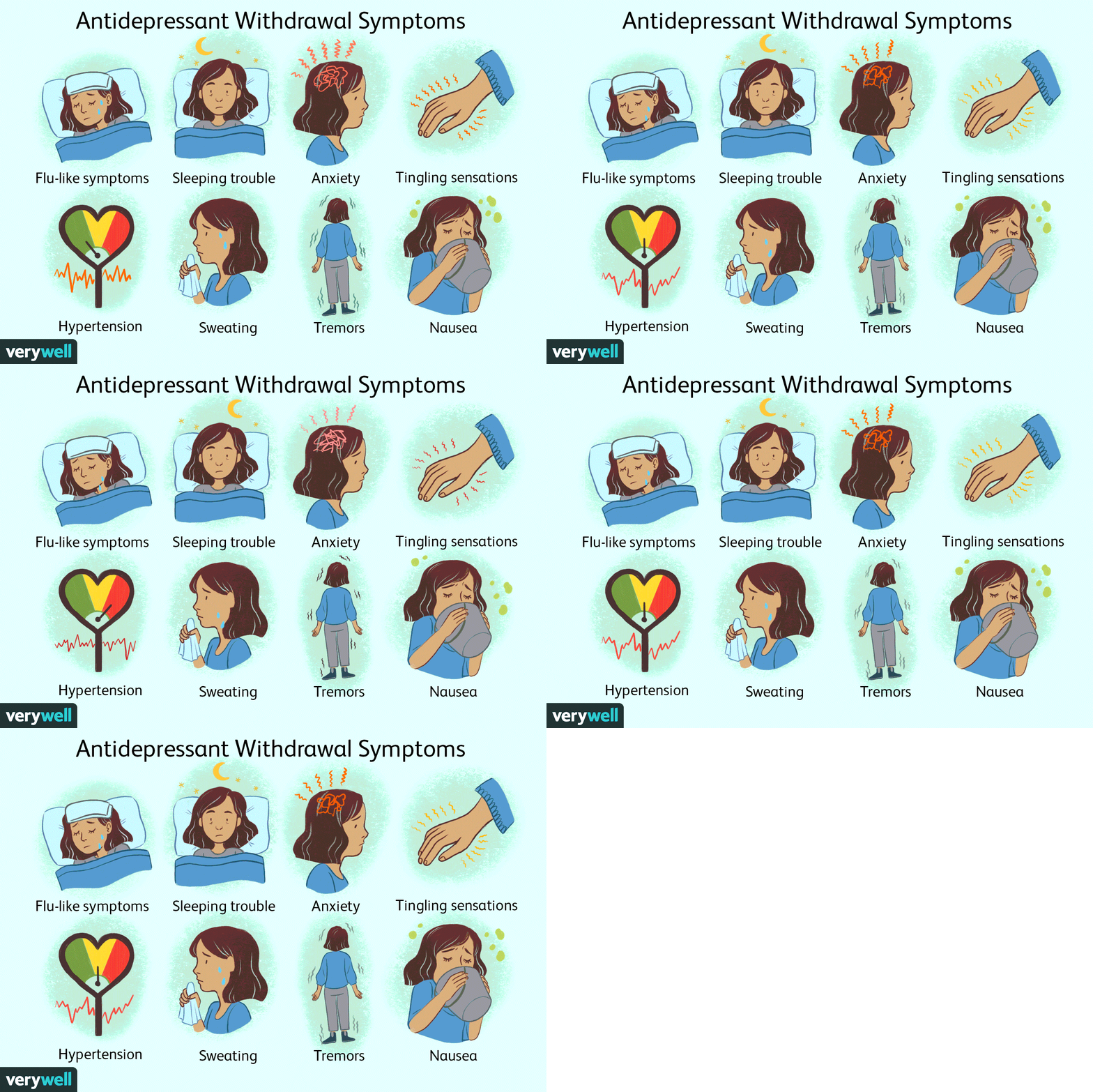
How do you know if you might be experiencing antidepressant withdrawal? Symptoms of antidepressant discontinuation syndrome can be easily remembered using the mnemonic FINISH:
- Flu-like symptoms such as headaches, achiness, sweating, fatigue, and lethargy
- Insomnia, but when you do sleep, you experience nightmares, and/or your dreams are more vivid
- Nausea, which may include vomiting
- Imbalance, such as feeling dizzy, lightheaded, or having vertigo
- Sensory disturbances, including feelings of burning, tingling, or “shock-like” sensations
- Hyperarousal, or feeling irritable, anxious, agitated, or aggressive
Antidepressant Withdrawal vs. Relapse
Antidepressant withdrawal symptoms can be similar to the ones that prompted the use of this type of drug in the first place. This can raise the question of whether you are experiencing withdrawal when coming off antidepressants or reducing their dosage, or if you’re having a depression relapse.
Ways to tell the difference include:
- How quickly symptoms appear: Withdrawal symptoms often appear within days or weeks, but relapse symptoms generally take longer to develop. Depression symptoms also typically appear more gradually.
- The appearance of certain physical symptoms: Feeling like you have the flu, experiencing dizziness, and having sensory disturbances aren’t usually associated with depression. So, if you have these symptoms, it’s likely due to antidepressant withdrawal versus depression relapse.
- Whether symptoms get better or worse with time: As the body adjusts to no longer having the antidepressant or having it in lower doses, withdrawal symptoms generally improve. If depression is reoccurring, symptoms may worsen instead of getting better.
If you are concerned that you are having a relapse of your depression when discontinuing your antidepressant, talk to your healthcare provider.
Antidepressant Withdrawal Timeline
The experience of antidepressant withdrawal can vary greatly from one person to the next. Factors affecting withdrawal—including how long symptoms last—include the type of antidepressant taken, its dosage, and the length of time the drug has been used.
Antidepressant withdrawal symptoms are usually fairly mild in the first one to three days, potentially intensifying before beginning to subside. It can take several weeks for all symptoms to resolve completely, with some people experiencing effects for months.
Phases of SSRI Withdrawal
If you are withdrawing from an SSRI, symptoms often occur in stages. The two phases of SSRI withdrawal are acute and protracted withdrawal.
- Acute withdrawal: The acute withdrawal phase can last six to eight weeks. During this phase, you may begin to experience flu-like symptoms, have greater fatigue, and notice increased feelings of anxiety and depression.
- Protracted withdrawal: The protracted phase of SSRI withdrawal, sometimes referred to as post-acute withdrawal or PAWS, refers to symptoms lasting longer than six months. According to one study, the average person experiencing protracted antidepressant withdrawal had symptoms for 37 months (with some reporting symptoms for years).
Some experts contend that there is a third phase of antidepressant withdrawal: rebound. Rebound can occur between acute and persistent withdrawal and consists of worsening of acute symptoms, lasting up to six weeks.
Coping With Antidepressant Withdrawal
The best way to cope with antidepressant withdrawal is to prevent it in the first place by never abruptly stopping or adjusting the dosage of your medication without first talking to your healthcare provider or a mental healthcare professional. These individuals can help you devise a plan for discontinuing your medication while limiting or avoiding the negative effects of withdrawal.
Here are a few more ways to prevent or cope with antidepressant withdrawal.
Ask Yourself: Why Am I Quitting?
This question could be important if you need further treatment during withdrawal, or afterward. Why is it that you are discontinuing your antidepressant?
Are you quitting it because you feel that you are over your depression? Do you dislike the side effects of the medication or are you unable to maintain the cost? These are all very different reasons and each one has important implications for what your experience of withdrawal could be like.
Depression is a serious and potentially life-threatening illness if it is not properly treated. It’s important to consider all of your options and work with your healthcare provider to make the best choice for you.
Taper Off Slowly
Tapering off your antidepressant can help minimize some of the side effects of withdrawal. There are several ways to do this. Two of the most common include reducing your dosage by 25% each week or taking a slightly longer approach and tapering the medication over the course of six to eight weeks.
No single tapering schedule works for everyone—and this schedule may change depending on how you respond. Factors considered when determining how rapidly or slowly you should wean off an antidepressant include:
- Your symptoms
- The type of antidepressant you’re taking
- How long you’ve been taking the medication
- Your dosage
- The drug’s half-life (how long it takes for half of the medication to leave your body)
Explore an Alternative
There are several types of antidepressant medication. Each works differently in the brain, has different side effects, and may create different withdrawal experiences after being discontinued. It’s possible that your symptoms will respond more positively to a different medication from the one you were originally prescribed.
Responses to antidepressants are very individual, so talk to your healthcare provider about how your prescribed medication affects you. For example, you may feel better emotionally on antidepressants but dislike the side effects, or you may do better with psychotherapy or lifestyle changes.
You may also have trouble with your antidepressant due to alcohol use or other psychoactive drugs. These possibilities are best discussed with a family doctor, psychiatrist, or psychologist, who will help you figure out an alternative treatment plan.
Start Moving
A lack of energy and a depressed mood will likely make exercise the last thing you want to do. But it can be beneficial to give it a try. Exercise can help keep depression at bay by increasing the release of feel-good endorphins and providing a positive outlet for stress.
Warnings for Antidepressant Withdrawal
Although rare, some people have experienced severe reactions when discontinuing antidepressant medications. If you or someone you know has any of the following symptoms in response to reducing or discontinuing antidepressants, seek medical help immediately.
While these extreme reactions can be frightening to the person experiencing them and those around them, they can be treated.
- Delirium: A sudden disorientation in time and place, confusion, restlessness, agitation, and difficulties with working memory (remembering aspects of a current line of thought)
- Psychosis: Disconnection from reality, particularly involving delusions or hallucinations
- Suicidal feelings: While many people with depression report occasional or frequent suicidal feelings, it’s important to seek help immediately if these feelings occur during antidepressant withdrawal.
Beyond these rare but potentially serious side effects, there are several other dangers that can occur from abruptly stopping your antidepressant. For one, stopping your medication can set you back in your treatment, increasing the time it will take to start feeling like yourself again. Relapse is another danger to consider.
Relapse
Antidepressants sometimes help reduce anxiety and pain. Research shows that if these symptoms re-emerge when discontinuing an antidepressant, it can increase your risk of relapse.
If you have quit taking your antidepressant and have anxiety or chronic pain, talk with your healthcare provider about how to ease these issues without worsening your condition.
Antidepressant Withdrawal Treatment
Tapering antidepressant doses over the course of several weeks (more than four) is often recommended to treat, if not prevent withdrawal symptoms. This requires working with your healthcare provider to reduce your dosage slowly versus stopping your medication abruptly.
It’s also important to know that antidepressant withdrawal can be misdiagnosed, potentially increasing the amount of time you take this type of drug or taking it at higher-than-necessary doses. Working with a healthcare provider knowledgeable about the potential for withdrawal can help reduce the likelihood of this being missed.
If concern over antidepressant withdrawal makes you not want to take these medications to begin with, this also has consequences. Untreated depression is a major risk factor for suicide. Not to mention, you don’t feel your best mentally or physically when living with depression.
Verywell Mind uses only high-quality sources, including peer-reviewed studies, to support the facts within our articles. Read our editorial process to learn more about how we fact-check and keep our content accurate, reliable, and trustworthy.
-
Sørensen A, Jørgensen KJ, Munkholm K. Description of antidepressant withdrawal symptoms in clinical practice guidelines on depression: A systematic review. J Affect Disord. 2022;316:177-186. doi:10.1016/j.jad.2022.08.011
-
Horowitz MA, Framer A, Hengartner MP, Sørensen A, Taylor D. Estimating risk of antidepressant withdrawal from a review of published data. CNS Drugs. 2023;37(2):143-157. doi:10.1007/s40263-022-00960-y
-
Rizkalla M, Kowalkowski B, Prozialeck W. Antidepressant discontinuation syndrome: A common but underappreciated clinical problem. J Osteopath Med. 2020;120(3):174-178. doi:10.7556/jaoa.2020.030
-
Gabriel M, Sharma V. Antidepressant discontinuation syndrome. CMAJ. 2017;189(21):E747. doi:10.1503/cmaj.160991
-
Henssler J, Heinz A, Brandt L, Bschor T. Antidepressant withdrawal and rebound phenomena. Dtsch Arztebl Int. 2019;116(20):355-361. doi:10.3238/arztebl.2019.0355
-
Wilson E, Lader M. A review of the management of antidepressant discontinuation symptoms. Ther Adv Psychopharmacol. 2015;5(6):357–368. doi:10.1177/2045125315612334
-
Hengartner MP, Davies J, Read J. How long does antidepressant withdrawal typically last? Am J Psychiatry. 2019;176(6):487. doi:10.1176/appi.ajp.2019.19020142
-
Jha MK, Rush AJ, Trivedi MH. When discontinuing SSRI antidepressants is a challenge: Management tips. Am J Psychiatry. 2018;175(12):1176-1184. doi10.1176/appi.ajp.2018.18060692
-
Hengartner MP, Schulthess L, Sorensen A, Framer A. Protracted withdrawal syndrome after stopping antidepressants: A descriptive quantitative analysis of consumer narratives from a large internet forum. Ther Adv Psychopharmacol. 2020. doi:10.1177/2045125320980573
-
Zwiebel SJ, Viguera AC. Discontinuing antidepressants: Pearls and pitfalls. Cleveland Clinic J Med. 2022;89(1):18-26. doi:10.3949/ccjm.89a.21020
-
Keks N, Hope J, Keogh S. Switching and stopping antidepressants. Aust Prescr. 2016;39(3):76–83. doi:10.18773/austprescr.2016.039
-
Faquih AE, Memon RI, Hafeez H, Zeshan M, Naveed S. A review of novel antidepressants: A guide for clinicians. Cureus. 2019;11(3):e4185. doi:10.7759/cureus.4185
-
Menkes DB, Herxheimer A. Interaction between antidepressants and alcohol: Signal amplification by multiple case reports. Int J Risk Safety Med. 2014;26(3):163-170. doi:10.3233/JRS-140632
-
Belvederi Murri M, Ekkekakis P, Magagnoli M, et al. Physical exercise in major depression: Reducing the mortality gap while improving clinical outcomes. Front Psychiatry. 2019;9:762. doi:10.3389/fpsyt.2018.00762
-
Petit J, Sansone RA. A case of interdose discontinuation symptoms with venlafaxine extended release. Prim Care Companion CNS Disord. 2011;13(5). doi:10.4088/PCC.11l01140
Additional Reading
-
Alexander J, Berce G. Delirium as a symptom of tricyclic antidepressant withdrawal. Aust N Z J Psychiatry. 2010;44(9):863. doi:10.3109/00048674.2010.497477
-
American Psychiatric Association. Diagnostic and Statistical Manual of Mental Disorders. 5th ed., text revision (DSM-5-TR). doi:10.1176/appi.books.9780890425787
-
Fava GA, Gatti A, Belaise C, Guidi J, Offidani E. Withdrawal symptoms after selective serotonin reuptake inhibitor discontinuation: A systematic review. Psychother Psychosom. 2015;84(2):72-81. doi:10.1159/000370338
-
Harvard Health Publishing. Going off antidepressants.
Thanks for your feedback!
What is your feedback?
Helpful
Report an Error
Other
