
Close Menu
Hywhos – Health, Nutrition & Wellness Blog
    What's Hot

    3 Nutrients That Protect Your Eyes And Brain From Screen Time

    April 5, 2026

    The Nature-Inspired Philosophy That Helped Me Get Through Postpartum

    April 5, 2026

    Paige Bueckers on UConn’s NCAA Tournament Loss and What’s Next

    April 5, 2026
    Facebook X (Twitter) Instagram
    • Home
    • Shop
      • Fitness
    • Fitness
    • Recipes
    • Wellness
    • Nutrition
    • Diet Plans
    • Tips & Tricks
    • More
      • Supplements
      • Healthy Habits
    Facebook X (Twitter) Instagram Pinterest
    Hywhos – Health, Nutrition & Wellness Blog
    Sunday, April 5
    Hywhos – Health, Nutrition & Wellness Blog
    Home»Healthy Habits»Are You Cooking the Nutrients Out of Your Vegetables?
    Healthy Habits

    Are You Cooking the Nutrients Out of Your Vegetables?

    8okaybaby@gmail.comBy 8okaybaby@gmail.comFebruary 15, 2026No Comments3 Mins Read
    Facebook Twitter Pinterest LinkedIn Tumblr Email
    Are You Cooking the Nutrients Out of Your Vegetables?
    Share
    Facebook Twitter LinkedIn Pinterest Email

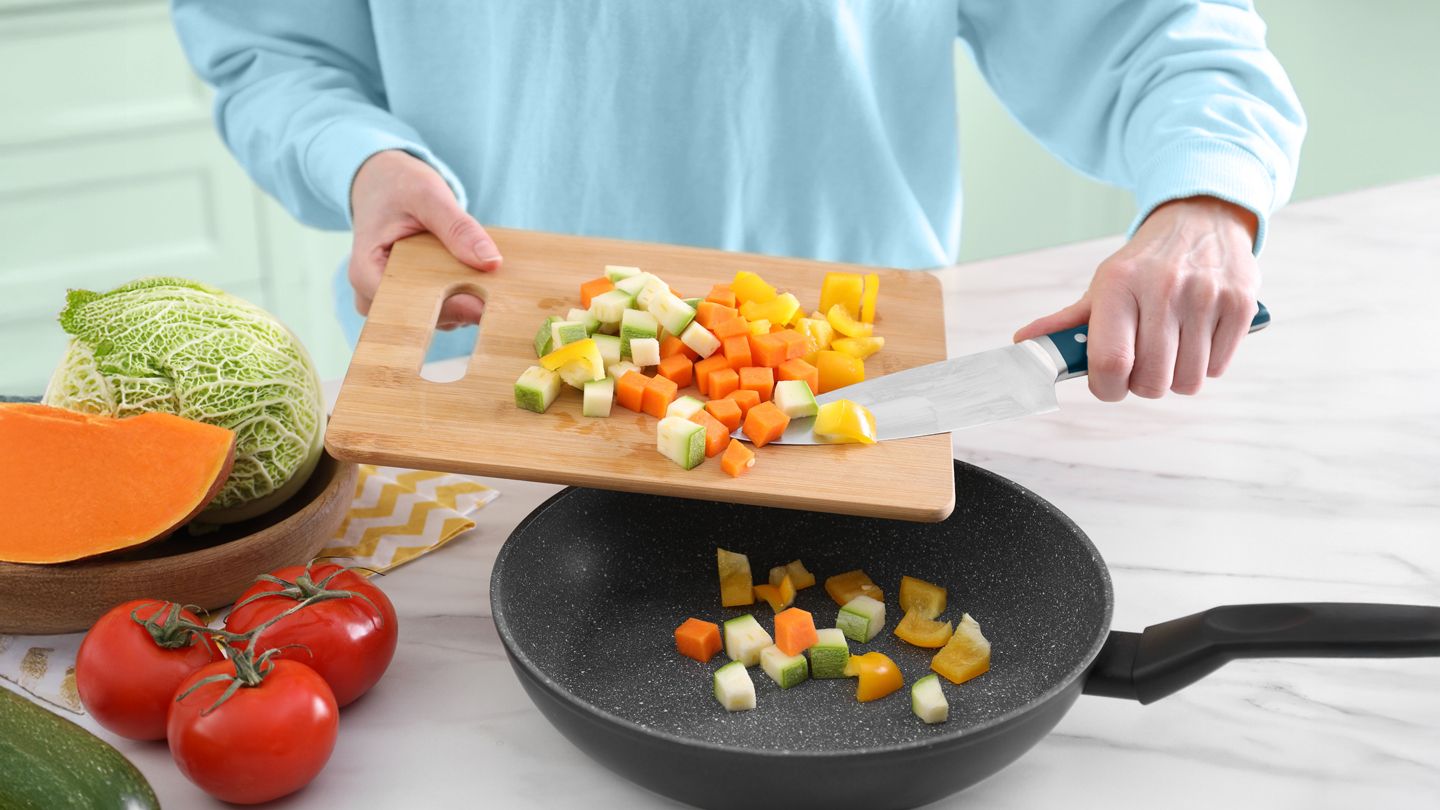
    But if you turn up the heat to sauté or stir-fry, White says to keep cooking time short “to help avoid excessive heat that can break down nutrients.”

    [10]

    Grilling and Broiling

    Though grilling uses high heat, this cooking style is less likely to leach the healthy compounds out of your veggies than some other options.

    “From a nutrition standpoint, grilling uses high heat with no added water, which helps retain many nutrients that are normally lost through boiling or simmering,” says Leverich. But the intense heat can break down some heat-sensitive vitamins, like vitamin C and B vitamins.

    [10]

    “Still, when it comes to maximizing both taste and overall veggie intake, grilling is a strong choice,” she says.

    Broiling also exposes foods to a strong heating element, which can be beneficial for some types of veggies and less so for others. While broiling does not involve water, its intense heat can break down water-soluble vitamins such as C and some B vitamins, Leverich says.

    “That said, it can be a great choice for beta-carotene-rich vegetables like sweet potatoes or squash, since the heat actually helps make those nutrients more available.”

    [4]

    Baking and Roasting

    Despite the higher temps used to heat veggies in the oven, this method doesn’t excessively diminish veggies’ nutrient density, says Saweres.

    “Baking and roasting are generally favorable because they use dry heat and little to no added water, which helps limit nutrient leaching,” says Saweres. Plus, baking and roasting can bring out vegetables’ inherent sweetness, often helping people enjoy them more, she says.

    While some vitamin C loss will occur in a hot oven, Saweres says fat-soluble antioxidants, like carotenoids in carrots, may become more bioavailable. This is especially true when roasted vegetables are paired with healthy fats like olive or avocado oil.

    Pressure Cooking and Slow Cooking

    Pressure cooking and slow cooking both use small appliances — sometimes the same device — to heat foods to doneness. But the two have different effects on veggies’ nutrition.

    “Pressure cooking can be a good option for nutrient retention, because it uses less water and significantly shorter cooking times, which helps preserve heat-sensitive nutrients like vitamin C and polyphenols,” says Saweres.

    [11]

     Polyphenols are beneficial plant compounds known for their powerful antioxidant and anti-inflammatory properties.

    [12]

    The gradual process of slow cooking, on the other hand, isn’t as beneficial for nutrition.

    “Slow cooking involves longer exposure to heat, which may reduce water-soluble vitamins, though minerals and fiber remain largely intact,” says Saweres. She says to use minimal liquid in the slow cooker to improve nutrient retention.

    Cooking Nutrients Vegetables
    Share. Facebook Twitter Pinterest LinkedIn Tumblr Email
    8okaybaby@gmail.com
    • Website

    Related Posts

    3 Nutrients That Protect Your Eyes And Brain From Screen Time

    April 5, 2026

    6 High-Fiber Foods A Dietitian Buys On Repeat (That Aren’t Fruit & Vegetables)

    April 1, 2026

    5 Nutrients Women Need More of After 40

    March 27, 2026
    Leave A Reply Cancel Reply

    Top Posts

    High-Protein Pancakes

    September 19, 202552 Views

    Best microwaves to buy 2025, tested and reviewed

    October 8, 202531 Views

    Pay Attention! Supplements and ADD/ADHD

    September 4, 202528 Views
    Stay In Touch
    • Facebook
    • YouTube
    • TikTok
    • WhatsApp
    • Twitter
    • Instagram
    Latest Reviews

    Subscribe to Updates

    Get the latest tech news from FooBar about tech, design and biz.

    About

    Welcome to Hywhos.com – your go-to destination for health, nutrition, and wellness tips! Our goal is to make healthy living simple, enjoyable, and accessible for everyone.

    Latest post

    3 Nutrients That Protect Your Eyes And Brain From Screen Time

    April 5, 2026

    The Nature-Inspired Philosophy That Helped Me Get Through Postpartum

    April 5, 2026

    Paige Bueckers on UConn’s NCAA Tournament Loss and What’s Next

    April 5, 2026
    Recent Posts
    • 3 Nutrients That Protect Your Eyes And Brain From Screen Time
    • The Nature-Inspired Philosophy That Helped Me Get Through Postpartum
    • Paige Bueckers on UConn’s NCAA Tournament Loss and What’s Next
    • Calendula Tea Benefits & The Best Ways To Sip It
    • Research Finds These Foods Could Help With Gut Inflammation
    Facebook X (Twitter) Instagram Pinterest
    • About Us
    • Contact Us
    • Privacy Policy
    • Terms and Conditions
    • Disclaimer
    © 2026 hywhos. Designed by Pro.

    Type above and press Enter to search. Press Esc to cancel.