

This review was originally written by Katy Bradbury, but subsequent additions may be added by the Good Food team.
Perimenopause, the time leading up to the menopause (defined as a year after a person’s last menstrual period), usually refers to the time when cycles start becoming disrupted in the years preceding the menopause.
Should I take a perimenopause supplement?
Many people transition through the menopausal years with no issues and minimal symptoms. However, for those who do experience some of the very wide range of symptoms, there are some supplements that may complement lifestyle changes such as eating a nutrient dense diet, getting regular movement (particularly strength training), managing stress and prioritising sleep.
There are nutrients that are important in supporting our natural hormone production and metabolism, and in supporting the other systems in the body that can be under strain during this time of turbulence.
Many people can get what they need from eating a diet based around good quality protein, a wide variety of plant foods, and healthy fats from fish, nuts, seeds, avocado and olive oil – read what to eat to ease the menopause, for more.
If you do decide to try a supplement, try to stick with a product for three-four months before deciding whether it is the right one for you, rather than chopping and changing all the time.
If you are taking supplements alongside HRT, it is important to make sure that these have been professionally checked for possible interactions.
JUMP TO REVIEWS
How we tested perimenopause supplements
All perimenopause supplements were assessed using a clear set of criteria, with detailed notes recorded during the process. Products came from a range of manufacturers and included different formats such as tablets, capsules, gummies and powders, at a variety of price points to reflect what’s available on the market.
We focused on the following areas:
- Ease of use: we considered how straightforward each supplement was to take, including the taste, size of tablets or capsules, and how simple it was to build into a daily routine
- Ingredient quality: products were checked for allergens, GMOs, animal-derived ingredients and overall suitability for vegetarians or vegans. We also favoured supplements with fewer unnecessary additives and those produced to recognised quality standards
- Nutrient profile: each supplement was examined for the vitamins, minerals and botanicals it contained, whether the forms used were likely to be well absorbed, and how the daily dose compared to Nutrient Reference Values (NRVs)
- Health claims: any claims made by manufacturers were noted, alongside whether guidance for use and potential warnings for specific groups were clearly provided
- Packaging: we reviewed packaging for convenience, freshness and ease of storage
- Value for money: cost per daily dose was compared across products, weighing price against nutrient quality, formulation and the number of servings provided in each pack
Our overall recommendations reflect a balance of these criteria, designed to give clear, independent advice for anyone considering supplements to support them during perimenopause.
Best supplements for perimenopause at a glance
- Dr Vegan PeriMenoFriend, £21.99
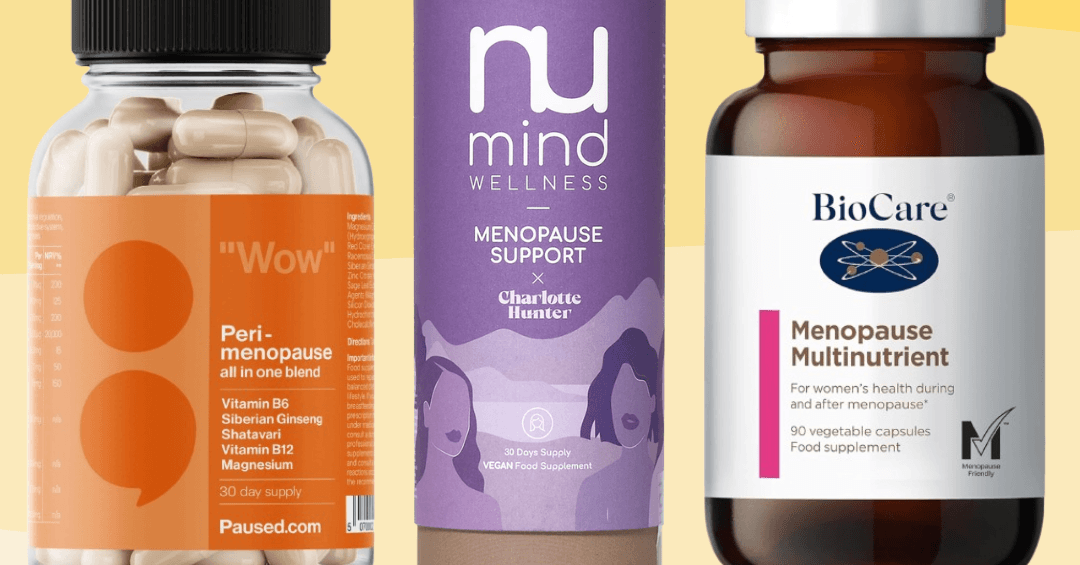
- Paused perimenopause all-in-one, £19.99
- Nu Mind Wellness Menopause Support, £74.99
- BioCare Menopause Multinutrient, £40.49
- Vitl Menopause Support, £19.95
- Together Health Menopause Multi, £19.49
- Cytoplan Perimenopause Complex, £31.99
- Wild Nutrition Perimenopause Complex, £36
Jump to section:
Best supplements for perimenopause 2025
Dr Vegan PeriMenoFriend
Available from Dr Vegan (£21.99)
Price per day (recommended dose): 73p
Star rating: 5/5
Two neutral-tasting capsules deliver a balanced mix of botanicals, vitamins and minerals aimed at perimenopausal support. The pouch is fully compostable and reseals cleanly. With ingredients like red clover, sage and magnesium, plus key nutrients such as D3 and B12, it offers a well-rounded formula without unnecessary additives. The vegan, allergen-free approach and fair price make it an easy product to stick with every day.
Available from:
Paused perimenopause all-in-one
Available from Paused (£19.99), Boots (£19.99)
Price per day (recommended dose): 67p
Star rating: 5/5
This supplement offers a comprehensive blend of essential vitamins and minerals, including vitamin D, vitamin C, B6, B12, zinc and herbal extracts such as red clover, sage and shatavari. It’s vegan-friendly, gluten-free and easy to take with just two capsules daily. While the formulation is perhaps a little basic, it provides solid support for women navigating perimenopause.
Available from:
Nu Mind Wellness Menopause Support
Available from Nu Mind Wellness (£74.99)
Price per day (recommended dose): £2.49
Star rating: 4.5/5
This is an all-in-one product combining five separate formulas designed for perimenopause and into the menopausal years. It has been developed alongside a reputable menopause nutritionist and claims to be safe to take alongside HRT.
The formulation comprises robust multi-nutrients in good volumes of easy-to-absorb forms, a range of herbs and antioxidants including 500mg Ashwaganda, and is free from undesirable additives. It contains around 2000iu of Vitamin D; vitamins B12 and B9 are in a good balance, and the level of iodine is safe for most people. The only micronutrient missing from this formula is iron, but this is because not every woman needs to supplement with iron, and this should be based on symptoms and blood analysis. It contains a potent blend of metabolism-supporting nutrients to support blood glucose control at a life stage where many women struggle with metabolic dysfunction.
For ease, the six capsules for each day are contained in an easy to open paper sachet, and all packaging is made from 100% biodegradable paper. The price tag does reflect its high quality, but there is a hefty discount if you subscribe.
Available from:
BioCare Menopause Multinutrient
Available from BioCare (£40.49)
Price per day (recommended dose): £1.33
Star rating: 4/5
This is a comprehensive multi-nutrient formula containing all of the key micronutrients for perimenopause and beyond – again, with the exception of iron, for the same reasons as above. It has the addition of green tea extract. The nutrients are generally provided in higher levels than the NRV, particularly vitamin B12 which is exceptionally high in this product. It contains 1000iu of Vitamin D. All the forms are bioavailable, and there are no nasty additives. This product has a relatively high level of iodine so be mindful of this if you have a thyroid condition.
Available from:
Vitl Menopause Support
Available from Vitl (£19.95)
Price per day (recommended dose): from 33p
Star rating: 3.5/5
This is a more basic product in terms of its contents, which quotes research studies on its website to back up the select use of ingredients. These include soy isoflavones to reduce hot flushes, calcium and vitamin D for bone health, B vitamins for hormone balance, and chromium for blood glucose regulation. It contains 1000iu of vitamin D and up to four times the NRV of the B vitamins B5, B6, B9 and B12. It is not a multi nutrient so does not contain other vitamins and minerals. The nutrients are in bioavailable forms and the product is free from nasty extras. This may be a good baseline support option for women in the mid to late phases of perimenopause to target hot flushes and bone health, and for those who struggle with swallowing lots of capsules.
Available from:
Together Health Menopause Multi
Available from Regn (£18.99), Together Health (£19.49)
Price per day (recommended dose): 63p
Star rating: 3.5/5
This and the next three supplements are ‘food form’ supplements, meaning they provide nutrients in the form of freeze-dried herbs and plants. They are believed to be well absorbed as they come in their natural state, and contain few or no additives, but can also have lower levels of nutrients compared to laboratory-made products.
This is a basic-level multi-nutrient meeting NRV for some of the B vitamins but significantly below NRV for minerals and some of the other vitamins. It contains 600iu vitamin D which may provide maintenance for those with good levels. This formula does contain a little iron which may be beneficial for those with heavy bleeds. It also has good doses ashwaganda and sage extract.
Available from:
Cytoplan Perimenopause Complex
Available from Cytoplan (£31.99)
Price per day (recommended dose): £1
Star rating: 3.5/5
Another food form supplement, this is not a multi-nutrient, but contains a broad spectrum selection of herbs. Included are adaptogens for mood and the nervous system, plus phytoestrogens for vasomotor symptoms and to support libido. It also contains a good amount of Vitamin B6 and chromium, and a small amount of magnesium, but no vitamin D.
Available from:
Wild Nutrition Perimenopause Complex
Available from Wild Nutrition (£36), Amazon (£36)
Price per day (recommended dose): £1.17
Star rating: 3.5/5
This formula contains a few nutrients such as vitamins B5 and B6, along with small amounts of three minerals including a little iron, mostly below NRV and in ‘food form’. It also contains good doses of shatavari (another adaptogen) and saffron. It has the addition of N-Acetyl-Cysteine which can act as an antioxidant. This formula is more targeted towards supporting mood, concentration and emotional wellbeing. Wild Nutrition also have a targeted probiotic for peri and menopause, designed with bacterial strains to support fluctuations in the gut and genitourinary microbiomes during these life stages.
Available from:
What are the best nutrients for peri/menopause?
It is best to consult with a healthcare practitioner or nutritionist before embarking on a supplement programme, to ensure they are right for you. The below may act as a general guide.
B Vitamins
- Why: Support energy production, mood regulation, and nerve function. Specifically:
- B6: May help regulate mood swings
- B12: Supports cognitive function and energy levels
- Folate (B9): Essential for red blood cell production and heart health
- Dosage:
- B6: 1.5 mg/day (upper safe limit: 10 mg/day)
- B12: 2.4 mcg/day (higher doses may be beneficial for many)
- Folate: 200 – 400 mcg/day
- Research: B vitamins may reduce depressive symptoms and improve energy during hormonal transitions
Magnesium
- Why: Helps reduce anxiety, improve sleep, and support bone health
- Dosage: 300-400 mg/day
- Research: Magnesium supplementation has shown benefits for sleep and stress reduction in perimenopausal women
Taurine
- Why: May help with anxiety, sleep, and cardiovascular health. Particularly beneficial when taken with magnesium
- Recommended Intake: 500-3,000 mg/day
- Research: Shown to reduce oxidative stress, support metabolism, calm the brain and improve mood
Vitamin D
- Why: Essential for bone health, immune function, and hormone regulation
- Dosage: 10 mcg (400 IU)/day (up to 4,000 IU/day if deficient)
- Research: Deficiency in Vitamin D is linked to increased risk of osteoporosis and mood disorders in perimenopause
Iron
- Why: Prevents anaemia, especially important during heavy periods in perimenopause
- Dosage: Depends on iron status which can be checked with blood testing
- Research: Studies highlight iron’s role in preventing fatigue and supporting oxygen transport
Vitamin C
- Why: Supports collagen production for skin health and boosts immunity
- Dosage: 75 mg/day (up to 2,000 mg/day)
- Research: Shown to enhance antioxidant defences and skin health during ageing
Zinc
- Why: Supports immunity, skin health, and hormone regulation
- Dosage: 8–11 mg/day (upper limit: 40 mg/day)
- Research: Zinc supplementation can improve skin integrity and immunity in midlife women
Iodine
- Why: Essential for thyroid health, which impacts metabolism and energy levels
- Recommended Intake: Up to 150 mcg/day (people with thyroid conditions need to work with a healthcare practitioner before supplementing)
- Research: Iodine deficiency may worsen thyroid dysfunction, though it can also exacerbate it in the case of autoimmunity, so best to check before taking
Vitamin E
- Why: May help alleviate hot flushes and skin dryness
- Recommended Intake: 15 mg/day
- Research: Has been shown to reduce the severity of hot flushes
Choline
- Why: Supports brain function and liver health, and can deplete with oestrogen
- Recommended Intake: 425 mg/day
- Research: Choline deficiency is linked to cognitive decline and liver dysfunction
Chromium
- Why: Helps regulate blood sugar levels, reducing sugar cravings – ensure you get medical advice before taking if using diabetes related or weight loss medication
- Recommended Intake: 200-1000 mcg/day
- Research: Beneficial for stabilising glucose levels during metabolic shifts that come with perimenopause
Glycine
- Why: Supports sleep, mood, and collagen production
- Recommended Intake: 3-5 g/day.
- Research: Glycine has been shown to improve sleep quality and reduce menopausal symptoms
Inositol
- Why: Promotes hormonal balance and supports healthy cholesterol and cardiovascular health. Caution when using alongside medications that impact blood sugars
- Recommended Intake: 2-4 g/day.
- Research: Effective for regulating insulin sensitivity and lipids
Fibre
- Why: Aids digestion and supports gut and heart health, as well as oestrogen metabolism
- Recommended Intake: 25-30g/day for women.
- Research: High-fibre diets improve metabolic health and may reduce inflammation
Omega-3 Fatty Acids
- Why: Reduces inflammation, supports heart health, and may alleviate mood swings and hot flushes.
- Recommended Intake: 1-2 g/day of EPA/DHA.
- Research: Omega-3s have shown benefits for mental health, cardiovascular health, and hot flushes
What are the best herbs for perimenopause?
Herbs are trickier to assess than nutrients, because the scientific literature is far scantier, and most of the evidence offers mixed data, meaning this is an area of research that requires development. However, there may well be beneficial effects and the right herbs for the right person may be helpful. There is much anecdotal and case-study based evidence to support their use for relief of perimenopause-related symptoms and hormone-related conditions, and indigenous cultures have used herbs medicinally for generations. Certain herbs are thought to be beneficial for certain symptoms, so some are included in formulations to support vasomotor symptoms like hot flushes, and others are adaptogens which are known for supporting the nervous system and sleep.
Popular herbs found in perimenopause complex supplements include:
- red clover extract
- green tea extract
- soy isoflavones
- Ashwaganda
- sage leaf extract
- Black Cohosh
- saffron extract
- Shatavari
- Maca
- Dong Quai
- Rhodiola
Of these, one of the better researched formulations is Ashwaganda, which is an adaptogenic herb traditionally used for improving mood and mental wellbeing. A promising trial using 300mg Ashwaganda twice daily for 8 weeks suggested improvement in mood related symptoms and overall quality of life during the transition to menopause.
Soy isoflavones, red clover extract and black cohosh also had promising results in a recent systematic review, but at present, the evidence is not clear enough to give broad spectrum recommendations regarding dosages and suitability. The science is constantly evolving however, and it is hoped that this is an area of research from which we can develop clearer frameworks.
Generally speaking, herbs found in combination supplement formulas for perimenopause are in fairly low doses and shouldn’t do any harm, provided there are no interactions with medications. So, if you are taking medication (particularly HRT) or have a medical condition, or if you wish to focus on specific formulations, you should consult a medical herbalist or trained nutritionist.
Which perimenopause supplement should I choose?
There are no particular combinations of herbs and nutrients to counter overall perimenopause symptoms, but this is because every person’s journey towards menopause is different, and with no two alike, it is difficult to make generic recommendations. In an ideal world, supplements should be tailored to support an individual’s main symptoms, along with their health history and blood markers.
There are no combinations that should be avoided, with the exception of ensuring safety if taking supplements with a pre-existing medical condition or if you are taking any medications (including HRT).
Multi-nutrient products can be a good way to bolster some of the essential nutrients mentioned above, but each formulation is very different and would be best matched to an individual based on their experience, symptoms, diet and lifestyle, and blood markers.
Related guides
What is menopause?
Eat the menopause
Menopause diet: what to eat
Women’s health
Food and hormones: what to eat during your period
What supplements should I take?
Do supplements work?
How to get the most out of supplements
More supplement reviews
Best collagen supplements
Best joints supplements
Best ashwagandha supplements
Best sleep supplements
Best vitamin C supplements
Best biotin supplements
Best menopause supplements
Best pregnancy supplements
