

Information presented in this article may be triggering to some people. If you are having suicidal thoughts, contact the National Suicide Prevention Lifeline at 988 for support and assistance from a trained counselor. If you or a loved one are in immediate danger, call 911.
For more mental health resources, see our National Helpline Database.
Key Takeaways
- Depression can lead to suicide, a major risk for those suffering from mental illness.
- People with depression may use drugs or alcohol to cope, which is called self-medicating.
- Chronic illnesses can increase the risk of depression and sometimes change the brain.
Though many people with depression lead fulfilling lives and often find treatment plans that work for them, it’s important to be aware of the fatalities that do occur in those who have suffered from this mental health condition.
One of the main ways that depression might lead to death is if the negative symptoms result in a person deciding to take their own life. Depression can make people feel helpless and without hope, causing them to reach the unfortunate conclusion that suicide is the only way to end their misery.
Increased Risk of Suicide
According to the Centers for Disease Control and Prevention (CDC), suicide was the tenth leading cause of death among all age groups in the year 2017. In 2016, there were nearly 45,000 deaths attributed to suicide in the United States.
According to some estimates, depression is present in about half of all suicides.
The other half, about 54%, of people who died by suicide did not have a known mental health condition, according to the CDC.
What to Do
If you are experiencing symptoms of depression, talk to your doctor or mental health professional. They can recommend treatment options, such as antidepressants and talk therapy, both of which can relieve symptoms and help you feel better.
Self-Medicating
Depression can also lead some individuals to turn to drugs and or alcohol to self-medicate emotional problems. This can occur more often when people are unable to deal or cope with painful feelings of sadness, isolation, anger, hopelessness, and stress.
When a person has depression and they develop an unhealthy dependency on these substances, it is known as a dual diagnosis, since there is an issue of depression and an issue of a substance use disorder.
Dual diagnosis complicates the treatment of depression, since both conditions must be dealt with as separate, yet interconnected, issues.
The National Institute on Drug Abuse reports that one in four deaths in America can be blamed on alcohol, tobacco, and illegal drug use. In addition, the Substance Abuse and Mental Health Services Administration states that substance misuse is one of the biggest risk factors for suicide.
What to Do
If you have symptoms of depression and substance misuse, it is important to talk to your doctor about your feelings and behaviors. An appropriate diagnosis can help ensure that you get the right treatment to address each condition.
Short-term treatments involve quitting any substances you might be using. Your doctor can make recommendations about the detox and withdrawal process. Depending on the substance in question and the frequency and duration of use, your doctor may recommend inpatient residential treatment or outpatient options to assist during this process.
In some cases, you may be able to go through this process at home, but you should always talk to your doctor first. Drug withdrawal can be life-threatening in some cases and requires professional intervention and medical monitoring.
Long-term treatments of dual-diagnosis issues may involve the use of antidepressants, psychotherapy, and other medications to address symptoms of depression and include:
Illnesses Linked to Depression
Chronic illness can also increase the risk of depression. In some cases, this may be because of the stress of coping with illness makes it more likely that a person will experience symptoms of depression. Some health conditions, such as stroke and Parkinson’s disease, can also cause changes in the brain that contribute to depression.
According to the National Institute of Mental Health, depression can be common in people with illnesses including:
- Alzheimer’s disease
- Cancer
- Diabetes
- Epilepsy
- Heart disease
- HIV/AIDS
- Multiple sclerosis
- Rheumatoid arthritis
- Stroke
Research suggests that depression can make co-existing illnesses harder to treat, because if you’re not feeling well emotionally, it’s harder to comply with your treatment regimen.
In addition, people with depression appear to be at greater risk of contracting certain illnesses, such as heart disease. All of these factors combined may put people at greater risk for dying from their medical illness than they otherwise would be if they did not have depression.
Further research is still needed to explore the connection between depression and other medical conditions. Some suggested theories include the fact that it may be more difficult for people with depression to take care of their health and they may have less access to medical care.
Physiological changes such as increased inflammation and alterations in stress hormones may also play a role.
What to Do
Collaborative treatment options that address symptoms of depression, lifestyle, and other illnesses can be effective at managing co-existing depression and chronic conditions.
If you have a medical condition and are experiencing symptoms of depression, talk to your doctor. In some cases, such as if you have a thyroid condition, what you are feeling may actually be connected to your illness, and treating the underlying condition may help relieve symptoms of depression.
Treatment options often involve the use of psychotherapy, medications, or a combination of both. One study found that both evidence-based psychotherapy and antidepressants were effective at treating symptoms of depression in individuals with co-occurring diabetes.
Complications of Depression
If you’re depressed, it’s harder to make good lifestyle choices. You may not sleep or eat well, you may not get much exercise, or you may drink, smoke, or use drugs. All of these factors can increase the risk of illness and poor health, which, in turn, makes a person more likely to die prematurely.
Depression is a mental disorder, but it also has a major impact on physical health and overall well-being.
Potential complications of depression can include the following:
Diabetes
Research suggests that people with depression are much more likely to develop diabetes, although it is not clear if one causes the other or vice versa. One study found that people with major depression and diabetes with or without evidence of heart disease have a higher number of cardiovascular risk factors.
Nutritional Deficiencies
Some studies suggest that nutritional deficiencies may contribute to depression and that dietary changes that are a symptom of depression may also lead to deficiencies, including:
- Amino acids
- B vitamins
- Minerals
- Omega-3 fatty acids
Stress-Related Effects
Stress can contribute to symptoms of depression, and depression can lead to increased stress. Stress can have a wide variety of negative health effects including:
- Anxiety
- Decreased immunity
- Sleep disturbances
It can also trigger and aggravate other medical conditions.
Self-Help Strategies
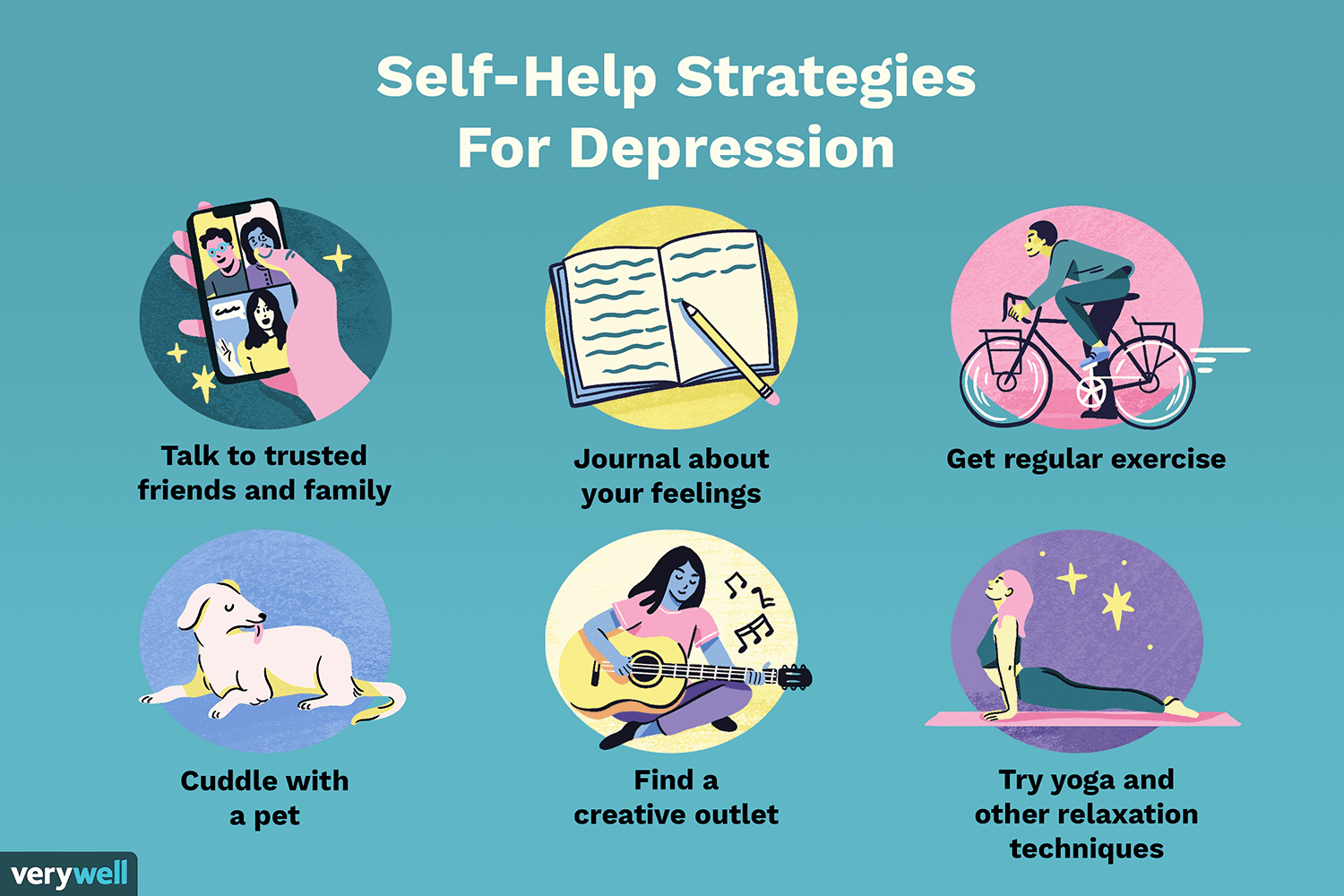
Along with the individual treatment plan that you and your mental health professional develop to treat your depression, you can also employ some self-help strategies to help stave off feelings of sadness or emptiness.
Here are some ideas:
- Call a friend or close family member.
- Dance to your favorite music.
- Join a gym to get exercise, a natural mood booster, and make new friends.
- Keep a journal.
- Walk or cuddle with your pet.
- Paint, color, or draw.
- Use relaxation techniques, like guided imagery or yoga.
