

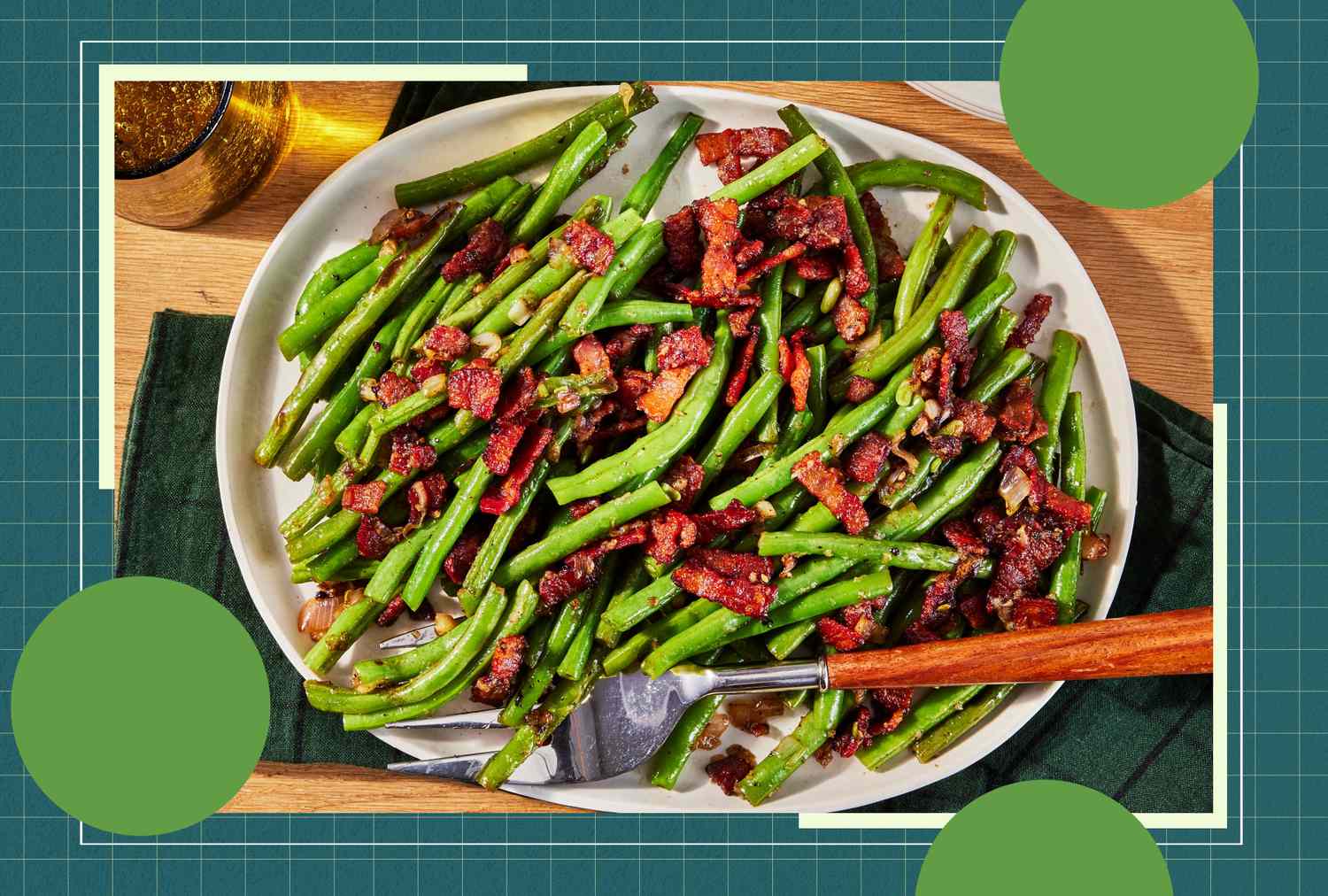
- Sautéing brings out green beans’ flavor while keeping them crisp and vibrant.
- Blanching first preserves color and texture, but it’s optional for busy cooks.
- A hot pan and good oil are the keys to quick, flavorful green beans at home.
Green beans can shine whether they’re served in a summery salad, quick-pickled with herbs and garlic or baked into a Thanksgiving casserole. These versatile veggies are packed with fiber, plus vitamins and other micronutrients that can promote health. We asked professional chefs across the U.S. about their favorite ways to cook green beans—and their answers have us thinking differently about how this humble legume fits into our kitchen routines and favorite recipes.
Chefs’ Preferred Way to Cook Green Beans
While the chefs we interviewed all had multiple go-to cooking methods for green beans, three agreed on an unexpected cooking technique: sautéing.
Chad Bayless, executive chef at The Ameswell Hotel in Mountain View, California, prefers to sauté raw green beans in a hot pan with plenty of olive oil. “This technique lightly chars the exterior while keeping a crisp snap at the center,” he says. “I often use it for my twist on green bean amandine, sautéing the beans in hazelnut oil, then adding sliced dates and toasted hazelnuts just before they’re finished. The result is a dish with crunchy nuts, vibrant beans and dates that soften into a rich, jammy texture.”
The long, thin green beans we’re used to seeing in supermarkets are often associated with European cooking traditions, but like the mature beans we cultivate for their seeds, they’re also native to the Americas, notes Hadassah Patterson, an Afro-Indigenous chef based in North Carolina. For Patterson, sautéing results in snappy, flavorful green beans that can be combined with a variety of other Indigenous ingredients, such as toasted pumpkin seeds or caramelized onions and mushrooms. “The flavors are intrinsically American Indigenous and easy to acquire and enjoy,” she says.
Of course, fresh, high-quality green beans can be enjoyed with minimal additions. A quick sauté can offer more flavor than cooking techniques like boiling or steaming. “They are wonderful simply blanched, shocked and then sautéed with minced shallot, salt and pepper,” says Emilie Symons, chef-instructor of health-centered culinary arts at the Institute of Culinary Education’s Los Angeles campus. “The blanching and shocking fixes the color so they stay bright green and tender.”
To Blanch or Not to Blanch?
The chefs were divided on whether to sauté raw green beans or briefly blanch them first by submerging the vegetables in boiling water before chilling them rapidly in an ice bath. Sautéing only is a simpler, one-step method that may suit home cooks on busy weeknights. However, blanching green beans first prepares them not only for a quick sauté but also for other preparations you may want to try throughout the week.
“I like to blanch green beans and use them in things like potato salad. Once blanched, the beans stay crisp and bright, preserving their fresh, vegetal flavor and vibrant color,” Bayless says. “Tossed with Dijon dressing, dill, chives and capers, the green beans add a refreshing snap that contrasts beautifully with the creamy potatoes.”
For James Fu, corporate chef and director of culinary for Din Tai Fung North America, blanching is a crucial step in wok-cooking green beans with sauce and protein like minced pork. “This blanching method is excellent for preserving the beans’ nutrients while ensuring a vibrant color and appealing crisp-tender texture,” he says.
Blanching before a quick, hot sauté may add an extra step, but it can make a real difference in the dish’s presentation and bite. “I love to blanch green beans and shock them in an ice bath to lock in that bright, beautiful green color and preserve their snap,” says Natasha Bailey, a chef and cohost of the Hungry for MO podcast in Kansas City, Missouri. “I grew up with green beans that were well-seasoned and slow-cooked for a long time, so I’ve always been fascinated by new ways to bring out their flavor and texture.”
Whether or not you choose to blanch your green beans before sautéing, it’s important to heat your pan over medium-high to get your chosen cooking oil hot enough before adding the vegetables—a few minutes in a hot pan will give the beans a little color without overcooking them. Depending on your preferred texture and any blanching you did, you can cook them for just a couple of minutes, or as long as 10 minutes for more tender beans with blistered skin.
The Bottom Line
Sautéing is a fast, easy way to cook green beans, whether for hassle-free weeknight dinners or as a lighter alternative to rich casseroles for your holiday table. Chefs prefer sautéing because it’s quick and simple, though some like to blanch green beans before sautéing them in a hot pan with a fat such as olive oil. Cooking time and any pre-blanching will determine the texture and color of sautéed green beans—keep cook times shorter for firmer, snappier beans, or cook a little longer to develop more color on the skin and a softer texture.
