

Key Takeaways
- Coulrophobia is a fear of clowns that can cause anxiety and panic in people who have it.
- Symptoms include anxiety, crying, difficulty breathing, and even panic attacks.
- Causes of coulrophobia may include family history, negative experiences, or scary clown depictions in the media.
What Is Coulrophobia?
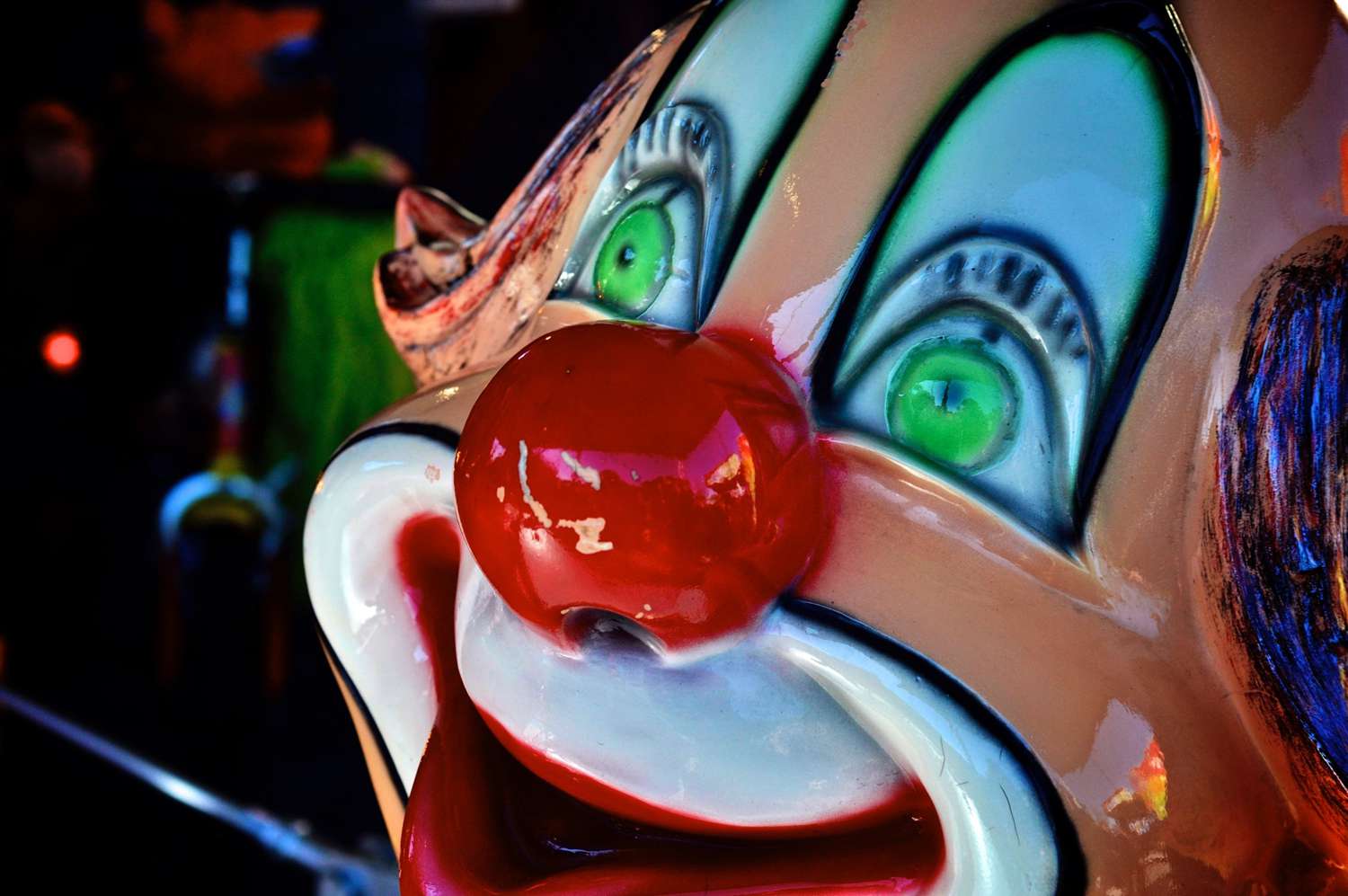
Coulrophobia is a fear of clowns. It is a specific phobia that involves a fear of a specific situation or object. It is important to note that, while many people experience discomfort with clowns, those feelings don’t necessarily represent a true phobia.
Clowns date back to the jester or fool of ancient times. As time passed, the jester morphed into the trickster, a more sinister figure with less than honorable intentions.
By the 1980s, clown phobia reached a peak. Rumors of ritual abuse of children were rampant, and clowns played heavy roles in many of these stories. Spontaneous reports of clown harassment began pouring in from children nationwide. Even urban legends began to focus on killer clowns who wait for unsuspecting babysitters.
Horror author Stephen King tapped into the national consciousness with the definitive killer clown work of fiction, It, which was first published in 1986. From here, fear of clowns became common place in American society.
Symptoms
People who experience coulrophobia experience extreme fear and discomfort in response to clowns. This response may occur during encounters with clowns in real life, but it can also involve a response to seeing clowns depicted on film or in print. Symptoms may include, but are not limited to:
- Anxiety
- Crying
- Difficulty breathing
- Dry mouth
- Feelings of impending doom
- Nausea
- Panic
- Rapid heartbeat
- Shaking
- Sweating
- Trembling
In more severe instances, people may experience panic attacks in response to seeing a clown. Panic attacks are marked by a sudden sense of fear and dread accompanied by other symptoms such as chest pain, chills, derealization, fear of dying, dizziness, and numbness.
Diagnosis
Coulrophobia is not recognized as a distinct condition in the “Diagnostic and Statistical Manual of Mental Disorders, Fifth Edition” (DSM-5). Instead, people may be diagnosed with a specific phobia if their symptoms meet certain diagnostic criteria. These criteria include:
- Excessive and unreasonable fear in response to the fear object
- An immediate anxiety response out of proportion to the actual danger
- Extreme distress or avoidance of the source of the fear
- Life-limiting effects on areas of a person’s life including daily living, school, work, and relationships
To be diagnosed with a specific phobia, symptoms must be present for at least six months and must not be part of another mental health condition.
Causes
Why might people dislike or fear clowns? Like many types of specific phobias, multiple factors can play a role:
- Family history: Some research has found having a close relative with a phobia or other type of anxiety disorder can make people more susceptible to developing a phobia. This suggests phobias may have a genetic component, or could be influenced by family members modeling fearful behavior in response to clowns.
- Negative experiences: Negative personal experiences with clowns at a young age can contribute to the development of this phobia.
- Media depictions of clowns: Another theory is that mass media has created a hype surrounding evil clowns such that even children who are not personally exposed to clowns are trained to dislike or fear them. One study found portrayals of frightening clown characters played a role in increased fear and phobia of clowns.
Impact
Coulrophobia can potentially interfere with your ability to function normally. The condition may cause you to avoid specific situations or settings so you won’t encounter your source of fear.
Fear of clowns can be a problem in the case of medical clowning. Medical clowning is when clowns are used to bring humor and laughter to hospital patients. It is often done in pediatric settings to relieve children’s anxiety. One study in the U.S. found a 1.2% prevalence of fear of clowns in pediatric patients, over 85% of which were girls. They felt fear even thinking about a visit from a clown.
One survey, conducted at British hospitals by the University of Sheffield and published in 2008, found all 250 children aged four to 16 who were polled expressed a fear or dislike of clowns. Researchers also found that four out of 14 pediatricians and pediatric residents polled considered themselves afraid of clowns. However, some studies have found hospital clowns to have a positive impact.
Coping Skills
Finding ways to cope with feelings of fear and anxiety about clowns can be helpful. Some coping strategies you may find useful include:
Relaxation techniques: Several useful relaxation strategies can help you calm your body’s response to fear. Deep breathing is one technique that may be particularly useful for calming anxiety.
Mindfulness: This technique involves focusing your mind on the present moment rather than fears about the past or future. With practice, it can allow you to center yourself in the moment and feel more in tune with your body’s reactions.
Journaling: Expressive writing may be a useful strategy when you are dealing with feelings of anxiety. Consider spending a few moments each day focusing on a positive thought or writing down things you are grateful for.
Treatment
Some people have trouble coping with phobias on their own. Fortunately, mental health professionals can treat clown phobia, as any other phobia, even without knowing the precise reasoning behind the phobia for its development. Like other phobias, coulrophobia will often be treated with psychotherapy. In some cases, medications may be prescribed to help manage symptoms associated with the condition.
Psychotherapy
A type of psychotherapy known as exposure therapy is typically the preferred treatment for phobias. This approach involves gradually exposing someone to the source of their fear while they are in a safe environment. Patients are often taught to practice relaxation techniques during the exposure to help them eventually feel less fearful.
Cognitive-behavioral therapy (CBT) is another psychotherapy approach that can be helpful for phobias. CBT focuses on helping people identify and change the negative thoughts contributing to their feelings of fear.
Medications
Antidepressants and anti-anxiety medications may also be prescribed to help people cope with symptoms they experience with the phobia. Such medications might also be used to treat co-occurring conditions.
Verywell Mind uses only high-quality sources, including peer-reviewed studies, to support the facts within our articles. Read our editorial process to learn more about how we fact-check and keep our content accurate, reliable, and trustworthy.
-
Thompson A. Spiders, Clowns and Great Mole Rats: Over 150 Phobias That Will Freak You Out, from Arachnophobia to Zemmiphobia. Ulysses Press. 2019.
-
King S. It. Scribner. 2016.
-
American Psychiatric Association. Diagnostic and Statistical Manual of Mental Disorders. 5th ed. American Psychiatric Association; 2013.
-
Van Houtem CM, Laine ML, Boomsma DI, Ligthart L, van Wijk AJ, De jongh A. A review and meta-analysis of the heritability of specific phobia subtypes and corresponding fears. J Anxiety Disord. 2013;27(4):379-88. doi:10.1016/j.janxdis.2013.04.007
-
Loken EK, Hettema JM, Aggen SH, Kendler KS. The structure of genetic and environmental risk factors for fears and phobias. Psychol Med. 2014;44(11):2375-2384. doi:10.1017/S0033291713003012
-
Meiri N, Schnapp Z, Ankri A, et al. Fear of clowns in hospitalized children: Prospective experience. Eur J Pediatr. 2017;176(2):269-272. doi:10.1007/s00431-016-2826-3
-
No more clowning around – it’s too scary. Nursing Standard. 2008;22(19):11-11. doi:10.7748/ns.22.19.11.s16
-
van Venrooij LT, Barnhoorn PC. Hospital clowning: a paediatrician’s view. Eur J Pediatr. 2017;176(2):191-197. doi:10.1007/s00431-016-2821-8
-
Finlay F, Baverstock A, Lenton S. Therapeutic clowning in paediatric practice. Clin Child Psychol Psychiatry. 2013;19(4):596-605. doi:10.1177/1359104513492746
-
Zaccaro A, Piarulli A, Laurino M, et al. How breath-control can change your life: a systematic review on psycho-physiological correlates of slow breathing. Front Hum Neurosci. 2018;12:353. doi:10.3389/fnhum.2018.00353
-
Niles AN, Haltom KE, Mulvenna CM, Lieberman MD, Stanton AL. Randomized controlled trial of expressive writing for psychological and physical health: the moderating role of emotional expressivity. Anxiety Stress Coping. 2014;27(1):1-17. doi:10.1080/10615806.2013.802308
-
Eaton WW, Bienvenu OJ, Miloyan B. Specific phobias. Lancet Psychiatry. 2018;5(8):678-686. doi:10.1016/S2215-0366(18)30169-X
-
Chapman University. America’s top fears 2016.
-
Thng CEW, Lim-Ashworth NSJ, Poh BZQ, Lim CG. Recent developments in the intervention of specific phobia among adults: a rapid review. F1000Res. 2020;9:F1000 Faculty Rev-195. doi:10.12688/f1000research.20082.1
Thanks for your feedback!
What is your feedback?
Helpful
Report an Error
Other
