

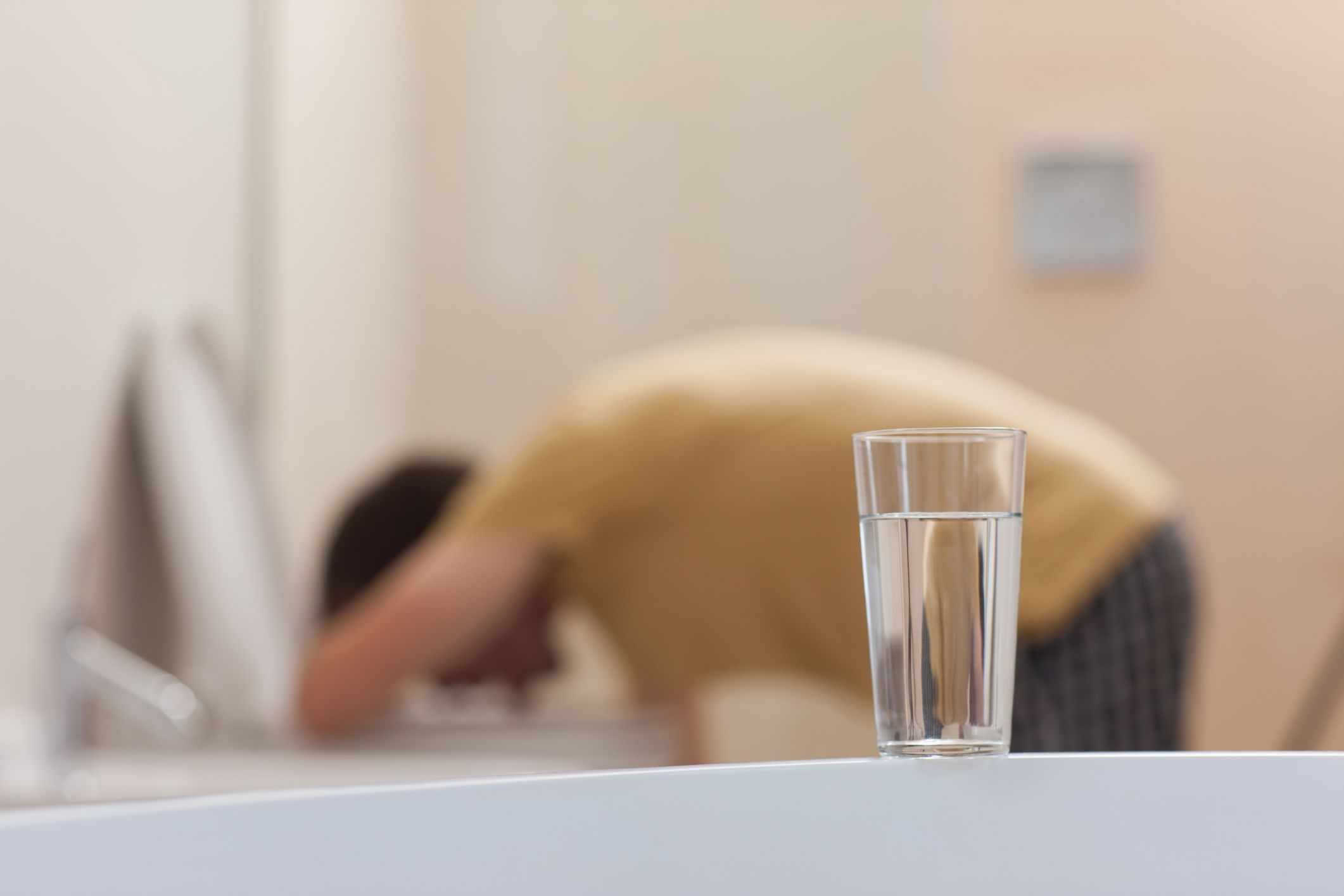
Key Takeaways
- Drinking plenty of water can help prevent dehydration from vomiting during alcohol withdrawal.
- Eating bland foods like bananas, rice, applesauce, and toast can help with nausea.
- If nausea and vomiting don’t go away after a week, see a doctor to rule out other health issues.
If you’ve decided to quit drinking, there’s a chance you may experience alcohol withdrawal. In fact, unless you go through a very gradual tapering process, usually under medical supervision, withdrawal symptoms are a normal and expected part of coming off alcohol and drugs. Getting sober is great for your health and well-being, but you may encounter some unpleasant withdrawal symptoms along the way, including nausea.
Two common withdrawal symptoms? Nausea (a feeling of sickness in the stomach) and vomiting. Nausea can be super annoying and uncomfortable, but there are several things you can do to care for yourself and find relief.
Withdrawal-Induced Nausea at a Glance
Deciding you want to quit drinking is an important step, but withdrawal is something you’ll need to get through first. And for many people, withdrawal means at least *some* nausea. If you’ve been using alcohol heavily, ask your doctor to supervise your detox to avoid potentially serious complications.
For many people, however, you can relieve some of these symptoms by staying hydrated, replacing electrolytes, eating a bland diet, and using OTC medications. If you experience symptoms of severe alcohol withdrawal (think delirium, fever, changes in blood pressure, and hallucinations), seek medical attention immediately.
Understanding Nausea During Alcohol Withdrawal
Withdrawal nausea and vomiting are uncomfortable and unpleasant symptoms that occur among people who have been addicted to some drugs, particularly alcohol and opiates, or after developing a dependence after a period of intense substance use. Symptoms may range from mild to severe.
When does withdrawal-induced nausea begin?
The symptoms of alcohol and drug withdrawal often become gradually worse in the first 2 to 3 days after the last time drugs or alcohol were consumed. Nausea and vomiting due to alcohol withdrawal begin about 6 to 24 hours after the last drink.
The timeline for the onset of nausea and vomiting due to drug withdrawal depends on the type of drug used. For instance, nausea and vomiting associated with withdrawal from short-acting opioids occur about 8 to 24 hours after the last use of the drug. (Heroin is an example of a short-acting opioid.) For long-acting opioids such as methadone, nausea and vomiting occur 12 to 48 hours after last use.
Withdrawal symptoms from short-acting benzodiazepines, such as oxazepam and alprazolam, begin 1 to 2 days after the last dose. The onset is 2 to 7 days for long-acting benzodiazepines, such as diazepam. Withdrawal symptoms from stimulants such as cocaine begin about 24 hours after the last dose.
Tips for Coping With Nausea from Alcohol Withdrawal
The following strategies can help control nausea and vomiting during the withdrawal process:
Hydrate
One of the main risks with vomiting is dehydration, so get plenty of water or other clear drinks. If you’re throwing up liquids, try taking smaller sips of water.
Replace Electrolytes
Fluid loss is not the only problem with dehydration; you also risk the loss of electrolytes, particularly if you also have diarrhea. Drinking rehydration fluid, which is available from drug stores, can help you avoid this. You can also add 1 teaspoon of sugar and 1 teaspoon of salt to 2 liters of water to make your own inexpensive rehydration fluid.
Try the BRAT Diet
You may prefer to avoid food until the initial acute withdrawal phase has passed. However, for some drugs (such as opiates), the acute phase may last several days to a week. When you feel able to eat, try following BRAT diet. BRAT is an acronym that stands for bananas, rice, applesauce, and toast. Also, avoid fatty, salty, or spicy foods.
If you’re having trouble eating without triggering your nausea, try eating small amounts of food more frequently instead of a few, large meals.
Use Over-the-Counter Medication
Over-the-counter (OTC) medications like Pepto-Bismol (bismuth subsalicylate) may help ease your nausea and vomiting. You can also talk to a doctor or pharmacist for other OTC recommendations.
Create a Calm Environment
You’ll want to control your environment as best as you can. Make sure there are limited interruptions so you can focus on resting. If you can, take time off of work so you can fully recover from your withdrawal symptoms.
Try dimming the lights and avoiding any loud music or noises. Avoid strong smells if you can, as these can trigger nausea.
Try Acupuncture
Acupuncture has been shown to provide some relief for opiate withdrawal. It is sometimes used to help with nausea and vomiting in people undergoing chemotherapy as well.
If you can’t get to an acupuncturist, you can stimulate the point associated with relieving nausea by pressing or gently massaging the area on your wrist about 2 inches down from the crease at the base of your hand, just between the tendons.
Use Natural Remedies
Studies demonstrate that the active components of ginger can stop nausea and vomiting, and it’s for this reason that it is recommended to pregnant people and people undergoing chemotherapy. Try adding a teaspoon of dried ginger root or a few slices of fresh ginger to hot water to make a simple ginger tea.
Peppermint can also help relax the digestive system and alleviate nausea. Try smelling a few drops of peppermint essential oil or sipping some peppermint tea.
Lemons, cinnamon, and cumin extract have all been shown to reduce nausea and vomiting symptoms. For aromatherapy benefits, you can cut open a lemon and deeply inhale it, or you can add lemon juice to water. You can also try adding cinnamon or a few drops of cumin extract to tea or food.
Get Intravenous Fluids If Needed
In the case of severe vomiting, it may be necessary to get intravenous (IV) fluids administered by a doctor so that you don’t become dehydrated.
When to Seek Medical Help
Remember, although nausea and vomiting are a normal part of withdrawal, if these symptoms continue, they could indicate another underlying condition such as pregnancy, food poisoning, migraine headaches, or peptic ulcer.
See a doctor if withdrawal nausea and vomiting symptoms have not ended a week after discontinuing drug or alcohol use. A doctor can rule out or treat other possible causes of your symptoms and help you find relief.
The wear and tear caused by repeated vomiting may result in vomiting blood. But blood in your vomit could also indicate a very serious medical condition. If you see any blood in your vomit at any time, you should seek medical attention immediately.
You should also seek medical attention if other symptoms of alcohol withdrawal are intolerable. There are medications such as benzodiazepines that are used in some cases of alcohol withdrawal to help manage symptoms. Talk to a doctor about your options. Benzodiazepines come with a risk of dependence as well, so their use should be monitored carefully.
Other Symptoms of Alcohol Withdrawal
In addition to nausea and vomiting, people with alcohol withdrawal syndrome may also experience other symptoms, including:
As with nausea and vomiting, if these symptoms don’t go away after you have stopped using alcohol or drugs for a week or so, they could indicate another medical condition, and you should see a doctor. Ongoing feelings of depression or anxiety, or severe, uncontrollable mood swings may indicate that you have another medical condition that may require treatment.
Severe Alcohol Withdrawal
Particularly if alcohol use has been severe and prolonged, a more severe, and potentially deadly, form of alcohol withdrawal called delirium tremens (DT) can occur. Symptoms usually start 48 to 96 hours after the last drink and may include:
If you or someone you love has any of these symptoms after stopping alcohol use, it can be a sign of a medical emergency, so you should seek treatment immediately.
