

Key Takeaways
Elimination disorders involve inappropriate urination or defecation in children past the typical age for such behavior.
Enuresis is when a child has trouble controlling urine and may wet the bed or their clothes.
Encopresis occurs when a child passes stool in the wrong places, like their underwear.
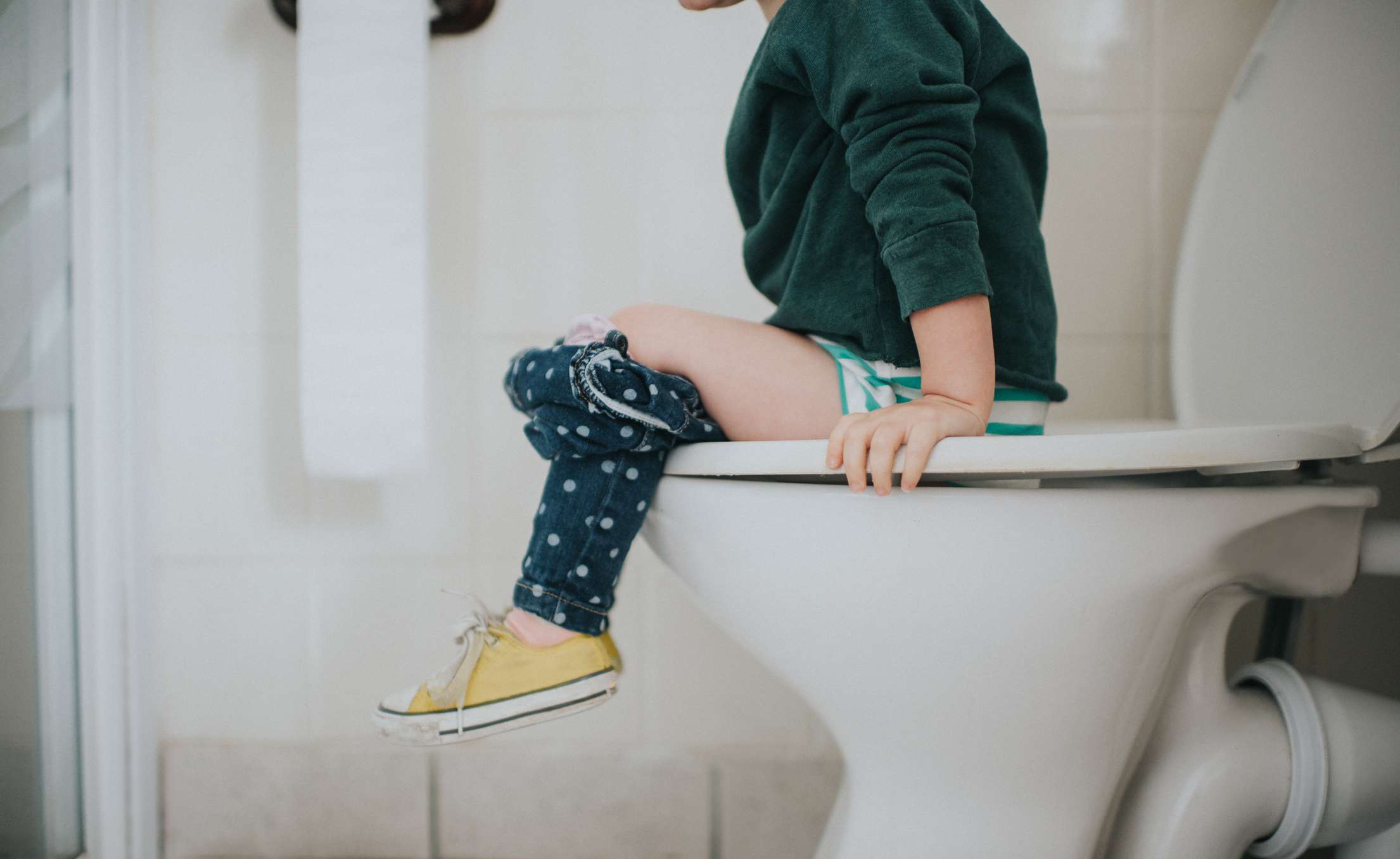
Elimination disorders are present in children that urinate or defecate in places other than the toilet. Children with these disorders are usually past the age where such acts are common behavior. This condition is diagnosed in children between the ages of 7 and 12.
Elimination disorders primarily fall under enuresis, where urine is passed outside the toilet. Alternately, encopresis is the passage of feces in unsuitable locations away from the toilet. In other cases, it is possible to experience both disorders at the same time.
While some children with these disorders act voluntarily, elimination disorders are frequently characterized by a lack of bowel or bladder control. This means children may urinate or defecate on their beds or clothing without intending to.
This guide will examine the two main types of elimination disorders, common characteristics of this condition, and the factors responsible for the disorders. To help with overcoming elimination disorders, we’ll examine possible treatment methods to encourage normal waste disposal.
Types of Elimination Disorders
Elimination disorders are broadly categorized into enuresis and encopresis.
Enuresis
This disorder is more commonly known as bedwetting. Children with this condition are unable to control their urine. This usually results in frequent or irregular release on their beds or elsewhere.
In households made up of young children, especially boys—enuresis is a common occurrence. Around 20% of five-year-olds live with this condition. This number goes down to 5%-10% in seven-year-olds. Bedwetting is however more common in the latter age group.
Enuresis may occur in two forms:
- Nocturnal only: Urine is released at night time during sleep
- Diurnal only: Urine incontinence happens during waking hours
Despite taking place during waking hours, diurnal enuresis is involuntary. A child may pass urine where they feel an increased urge to pee.
Other times, this urination is the result of pressure on the abdomen. When children delay urination while in public spaces, this may worsen their chances of involuntary expulsion. Unplanned urination may also take place when laughing.
Encopresis
As a benchmark, encopresis occurs in children no younger than four years old. This condition is characterized by children passing stool in inappropriate locations like their underwear.
This condition may be voluntary or involuntary, and is a common occurrence in male children.
About 4.1% of children between five to six years of age will defecate in unsuitable locations. In 11- to 12-year-olds, this number drops to 1.6%.
Encopresis usually takes place in daytime. This condition may be observed in children that have received, and those that are lacking toilet training.
The disorder is observed in two forms:
- Constipation-related encopresis: In this case, constipation causes stool to be hard and painful to pass. This pain can prevent a child from going to the toilet, leading to greater difficulty in releasing the stool. The strain caused by the feces can weaken colon nerves. This can cause liquid or softer stool to leak around the yet-to-be passed stool. The child may also lose control of bowel movements.
- Non-retentive fecal incontinence: this occurs when a child soils their clothing or other inappropriate items without signs of constipation. This child will have bowel movements in unsuitable places or times.
Symptoms of Elimination Disorders
There are notable characteristics of elimination disorders. In either case, the following distinguishing traits are present:
Enuresis
- Repeated bedwetting despite toilet training. This is known as primary enuresis.
- Bedwetting after at least six months of dryness. Otherwise termed secondary enuresis.
- Bedwetting must be frequent for at least two weeks over three consecutive months.
Encopresis
- Stool or liquid stool leakage on underwear
- Constipation
- Straining when stooling
- Dry or hard stool
- Avoiding bowel movements
- Encopretic incidents taking place for at least three months
Diagnosis of Elimination Disorders
Here is how enuresis and encopresis are diagnosed.
Enuresis
To confirm a case of enuresis, other similar disorders should be ruled out. This includes medical conditions such as a UTI, diabetes, seizures, sickle cell, or a sleep disorder.
Likewise, bedwetting could be medication-induced, and not the result of enuresis. SSRIs, antipsychotics, and diuretics may cause incontinence.
When these factors are ruled out, a pediatrician can then determine whether a child is living with enuresis. This may be achieved by examining medical history, or through physical examinations.
Encopresis
When making an encopresis diagnosis, the pediatrician may ask about the child’s history of strained bowel movements. This questioning can also require answers about toilet training and diet.
An accurate encopresis diagnosis may also require a rectal examination. The doctor could require an x-ray of the child’s abdomen in deciding a diagnosis.
To determine whether encopresis is present, conditions like spinal cord trauma/tumors, cerebral palsy, and diseases of the pelvic muscle and anal sphincter should be assessed.
Causes of Elimination Disorders
Let’s take a look a some of the causes behind these two elimination disorders.
Enuresis
There is no precise cause of enuresis. Different factors are however linked to bedwetting, or passing urine in inappropriate places.
For instance, constipation may increase pressure on the bladder, leading to an increased urge to urinate. Deep sleepers who are not easily aroused may also be at higher risk of enuresis.
Where the bladder suffers a delay in maturity, this can affect its capacity to hold urine. Likewise, levels of vasopressin—a hormone that promotes water retention in the kidneys—may decrease. This can impact the chances of holding urine in.
Certain risk factors also increase the chances of enuresis. These include unusual stress in children, growing up in a low socioeconomic environment, divorced parents, the addition of a sibling, or a family history of enuresis.
Encopresis
This condition may result from constipation. A low-fiber diet and poor hydration. Even stress over potty training can contribute to this condition.
Risk factors of encopresis include a low socioeconomic background, fear of using unhygienic toilets, living in a war-torn area, or child hospitalization for another condition. Other contributing factors are bullying and behavioral problems like depression or social anxiety. Poor performance in school could also be a factor.
Treatment of Elimination Disorders
Here are the ways in which these two elimination disorders may be treated:
Enuresis Treatment
There are non-pharmaceutical and pharmaceutical measures available for managing this condition.
Non-Pharmaceutical Management of Enuresis
- Bell and pad method: This requires a child to wear a device to sleep. This device contains a sensor that makes a noise when wet to stimulate the child to wake up. The bell and pad method intends to stop the stream, allowing urine to be passed in the toilet instead.
- Dry Bed Training: This is another option which combines the bell and pad with behavior treatment for the child with parental support.
- Nighttime awakenings: Here, children are woken up at regular hours during the night. This is useful where alarms do not work to alert a child to use the toilet. However, this can lead to sleep problems in the child due to disrupted sleep.
- Limiting fluid intake: Children prone to bedwetting can be assisted by restricting their fluid intake before bedtime.
- Bladder training: Under this technique, children are taught to hold their urine for longer periods of time. This is useful for diurnal and nocturnal enuresis.
- Motivational therapy: The child and their caregivers may receive this therapy to boost morale before beginning any of the methods listed above.
Pharmaceutical Management of Enuresis
Children may be given anti-diuretic hormones (ADH) like desmopressin to manage urine production. Other options include imipramine—a tricyclic antidepressant that helps to relax the bladder, preventing enuretic episodes.
It should be noted that pharmaceutical measures produce higher relapse rates compared to the bell and pad method.
Encopresis Treatment
To manage this condition, a pediatrician may give the affected child a laxative, an enema, or medication to soften the stool.
To avoid constipation, parents can encourage a healthy diet high in fiber. Children should also drink more water to alleviate constipation.
Parents can also assist with good bowel habits by planning bathroom time after meals. They may also praise their children for using the toilet. This can encourage regular toilet usage and may prevent excrement on clothing.
Verywell Mind uses only high-quality sources, including peer-reviewed studies, to support the facts within our articles. Read our editorial process to learn more about how we fact-check and keep our content accurate, reliable, and trustworthy.
-
Law S, Malady M, Buqo T, Williams L. Elimination Disorders. Principle-Based Stepped Care and Brief Psychotherapy for Integrated Care Settings. 2018:193-201. doi:10.1007/978-3-319-70539-2_17
-
Wilson M, Gupta V. Enuresis. [Updated 2021 Nov 20]. In: StatPearls [Internet]. Treasure Island (FL): StatPearls Publishing; 2022 Jan-.
-
Yilanli M, Gokarakonda SB. Encopresis. [Updated 2021 Jul 31]. In: StatPearls [Internet]. Treasure Island (FL): StatPearls Publishing; 2022 Jan-.
-
Von Gontard A, Hollmann E. Comorbidity of functional urinary incontinence and encopresis: somatic and behavioral associations. J Urol. 2004;171(6 Pt 2):2644-2647. doi:10.1097/01.ju.0000113228.80583.83
-
Kuhn, B. Treatment Guidelines for Primary Nonretentive encropesis and stool toileting refusal. American Family Physician. April 15 1999.
-
Cleveland Clinic. Bedwetting.
-
Cleveland Clinic. Encopresis (soiling).
-
National Institute of Diabetes and Digestive and Kidney Diseases. Symptoms of Constipation in Children. Last reviewed May 2018
-
Cleveland Clinic. Constipation.
Thanks for your feedback!
What is your feedback?
Helpful
Report an Error
Other
