

Up until about a year ago, I assumed ‘food noise’ was something everyone experienced. It wasn’t until I explained it to friends and was met with puzzled looks that I realised that, in fact, not everyone lives with the constant mental chatter around eating.
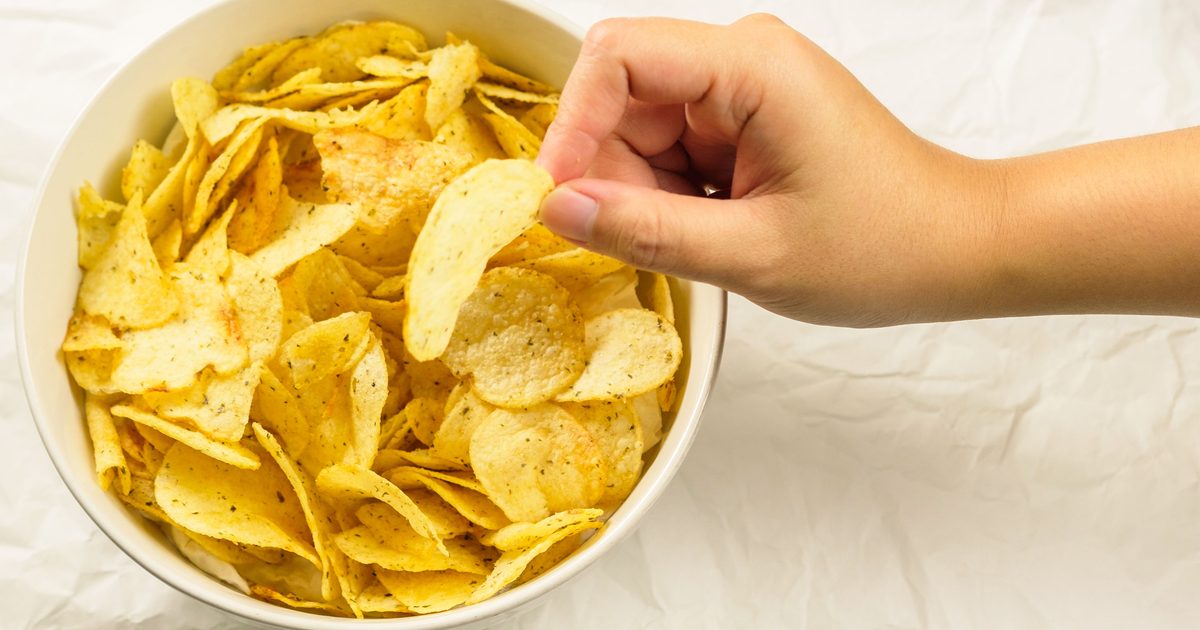
For me, it’s been there for years. I can eat a satisfying, nutritionally balanced meal and still find myself standing in front of the fridge 40 minutes later wondering what I could snack on next. If a plate of biscuits lands on the table in a meeting or a bowl of crisps appears at a party, part of my brain shifts focus. Not because I’m desperate to eat, but because the internal negotiations begin.
If you’ve ever tried losing weight, you’ll likely know this voice intimately. And the most frustrating part is that it feels so disproportionate. Why does something as small as a biscuit occupy so much mental space?
For years, this experience has been framed as a willpower problem, but emerging neuroscience suggests something different, and more complicated, is happening.
A new study reported by Neuroscience News found that the brain continues to respond to tempting food cues even after you’re full. In other words, satiety doesn’t necessarily switch off the reward system. You can be biologically satisfied and still neurologically primed to want more.
What the research says
The study explored how the brain reacts to certain food cues in both hungry and ‘full’ states. What surprised scientists was that certain reward-related regions remained active even after participants had eaten enough. And this makes evolutionary sense. After all, for most of human history, high-calorie food wasn’t constantly available, so if you come across something energy-dense (nuts, honey, ripe fruit, meat), it made survival sense to eat more of it, even if you weren’t starving in that exact moment.
Today, that same mechanism is activated by biscuits, crisps and banana bread, except scarcity never arrives because this food is so readily available.
“This study is incredibly validating because it confirms something many people experience but struggle to explain – that fullness in the body does not automatically equal quiet in the brain,” says registered nutritionist Zara Hiridjee. “The research showed that even after participants reported being full, their brains continued to respond strongly to highly palatable food cues. In other words, satiety signals from the gut did not fully dampen reward activity in the brain. That’s important because so much diet culture assumes that once you’ve eaten enough, wanting more is a failure of discipline. This study challenges that narrative.”
What is food noise?
Online weight-loss communities, particularly people using medications like Ozempic and Wegovy, talk about the term ‘food noise’ repeatedly. It describes the constant mental chatter around eating: planning the next snack, thinking about what’s in the cupboard, negotiating portions, fantasising about treats. For some, it’s mild background static, for others it can be relentless.
Joanne, 63, has been using GLP-1 medication for weight management for the last year, and says that it has completely diminished her intrusive food noise.
“Before, it felt like there was a radio playing in my head all day about food. Even if I wasn’t hungry, I was thinking about what food I could eat later. Within a week of starting treatment, it went quiet. I still enjoy food, but I’m not being pulled towards it constantly, and it doesn’t feel like it takes over my life.”
GLP-1 receptor agonists mimic a gut hormone that signals fullness and slows gastric emptying. But emerging research suggests that they may also act on brain pathways linked to reward and motivation, potentially reducing the significance of food cues.
And ironically, strict dieting may amplify food noise. When energy intake drops significantly, the body responds with biological countermeasures like increased hunger hormones, reduced metabolic rate and heightened attention to food cues. Brain imaging studies show that calorie restriction can increase activity in reward regions when people view images of high-calorie foods.
“In my work, I often see food noise amplified in people who have dieted repeatedly,” confirms Hiridjee. “Chronic restriction heightens the brain’s sensitivity to food cues. When certain foods are labelled as forbidden, their reward value increases. The brain assigns them more salience, so when someone sees that food, even after a balanced meal, the neural response can be stronger, not weaker.”
How to turn down the volume
While you can’t override millions of years of evolution, you can work with your biology rather than against it.
- Build meals that truly satisfy. Protein, fibre and healthy fats don’t just fill your stomach – they increase satiety hormones and steady blood sugar, which reduces the physiological drivers of grazing. When meals are balanced and genuinely enjoyable, the gap between “I’m full” and “I want something” narrows.
- Make your environment do some of the work. Seeing the biscuit tin on the counter, passing the bakery aisle daily and keeping multipacks of chocolate bars in the cupboard can all create low-level mental friction. Small changes might help like storing treats out of sight, buying single portions as opposed to family packs, and keeping high-protein snacks more accessible rather than hyper-palatable ones.
- Protect your sleep. One poor night’s sleep increases hunger hormones and makes high-calorie foods more rewarding to the brain. Studies consistently show sleep deprivation amplifies activation in reward regions when we see tempting food.
- Notice stress triggers. Stress doesn’t just make us emotionally vulnerable – it changes dopamine signalling and increases the appeal of comfort foods. Gentle regulation strategies like walking, breathwork and social connection, can lower the baseline drive toward reward-seeking.
- Stop labelling food as ‘good’ and ‘bad’. I’m a big believer of never moralising food. When we categorise certain foods as “bad” we don’t just restrict them physically, we evaluate them. Research shows that perceived restriction actually increases our desire. Shifting to more neutral language like ‘everyday foods’ and ‘sometimes foods’ can reduce that emotional intensity. You’re less likely to spiral into all-or-nothing thinking. As many dieticians point out, food doesn’t have morality, it has nutritional composition.
The most reassuring part of these new findings is that it proves that resisting snacks isn’t always about self-control and moves us away from the shame of experiencing food noise. “I don’t approach food noise as something to suppress,” concludes Hiridjee. “I approach it as something to understand and gradually recalibrate.”
Going forward, we need to learn that it’s not about blaming ourselves for having this mental chatter and response to food, but to build healthy habits and systems that work with our neurobiology rather than against it.
All health content on goodfood.com is provided for general information only, and should not be treated as a substitute for the medical advice of your own doctor or any other health care professional. If you have any concerns about your general health, you should contact your local health care provider. See our website terms and conditions for more information.
