

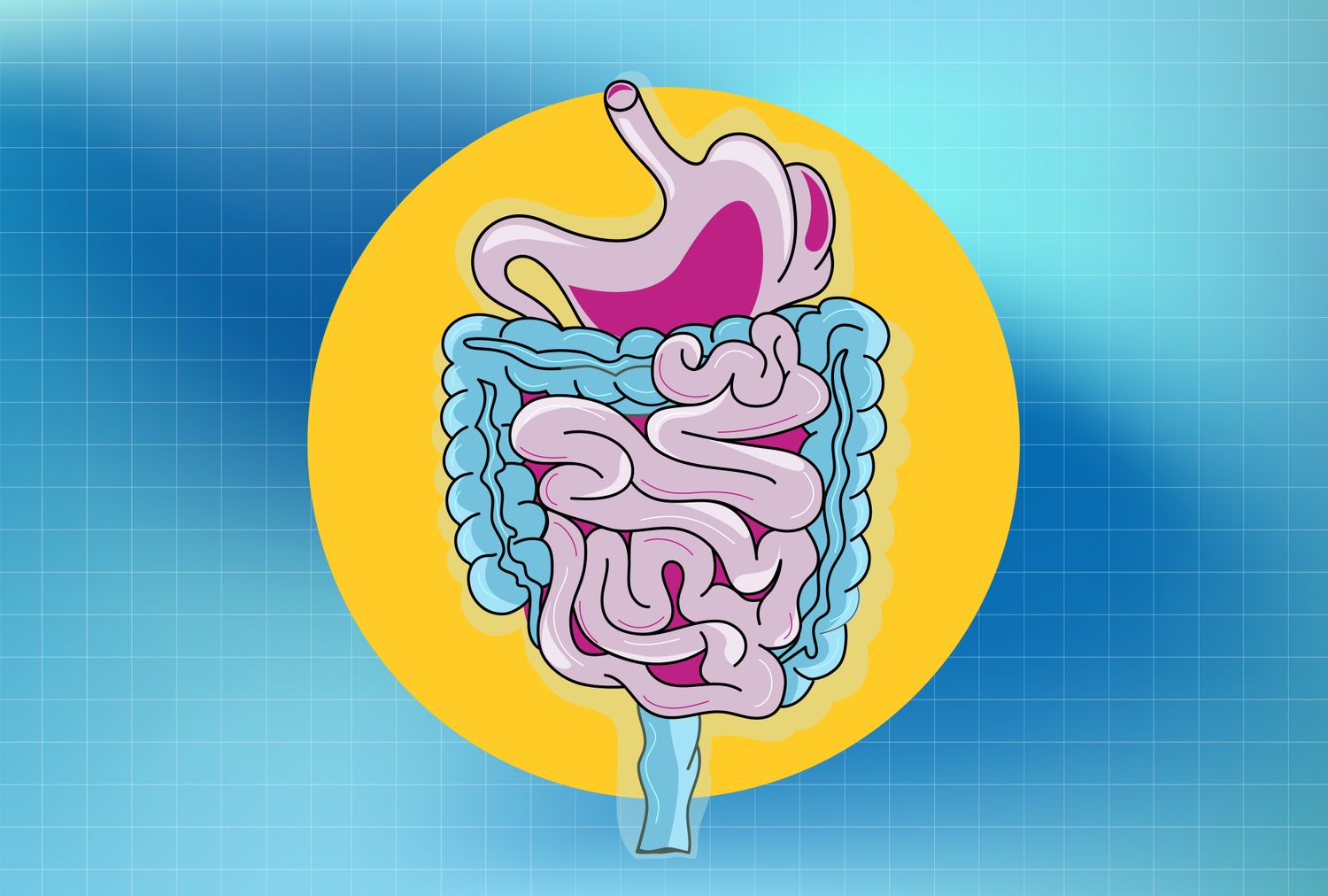
- Leaky gut occurs when your gut barrier becomes compromised, allowing substances to “leak” through.
- Diarrhea, bloating, brain fog or widespread pain or inflammation are common symptoms of leaky gut.
- Experts suggest avoiding triggers, eating plenty of fiber and polyphenols and more to manage leaky gut.
Gut conditions are more common than you might realize; 60 to 70 million people in the U.S. are impacted by some form of digestive issue. One disorder you may have heard of lately is leaky gut syndrome. “Leaky gut has become a bit of a buzz phrase, but it is not a medically diagnosable condition”, explains Treta Purohit, M.D., a gastroenterologist.
So what exactly is leaky gut? Below, we explain what it is, how it affects the body, and share seven gut-expert tips for those new to managing the syndrome.
What Is Leaky Gut?
Leaky gut syndrome is quite literally what it sounds like—your gut barrier becomes compromised, allowing substances that shouldn’t enter or exit to “leak” through. Leaky gut, or increased intestinal permeability, occurs when your gut barrier has become dysfunctional or damaged, and can contribute to gastrointestinal issues or other health concerns, says Purohit.
Robin Foroutan, M.S., RDN, a dietitian specializing in gut health, explains that the gut’s lining is only one cell layer thick and resembles a stack of bricks. The spaces between these cells are called tight junctions, and they act like gates regulating what moves in and out. “When tight junctions aren’t working properly, toxins, microbes and undigested food molecules from inside the digestive tract are allowed to pass through the tight junctions and into circulation,” she says. “This ‘leakiness’ results in inflammation, immune system activation and the downstream effects affecting the entire body.”,
Leaky gut can trigger not only digestive symptoms like diarrhea, bloating and abdominal pain, but it may also contribute to food sensitivities, autoimmune conditions, skin issues (like rashes, eczema and rosacea), chronic fatigue, body pain and systemic inflammation, Foroutan says. David D. Clarke, M.D., a gastroenterologist, notes that other symptoms can present too, such as headaches, brain fog, difficulty concentrating and recurring infections. “Some of the symptoms are blamed on ‘leaky gut’ typically when no other explanation is found,“ he adds.
If you struggle with leaky gut syndrome, here are the best next steps our experts recommend.
1. Identify and Eliminate Triggers
Just as with many other disorders, it’s important to identify the root cause and remove anything that could be worsening the issue. “Certain triggers can cause tight junctions to loosen up and get ‘leakier’; a reasonable first step is to remove these from the equation,” says Foroutan. Triggers can vary from person to person, but common ones include: alcohol, certain medications, an unhealthy diet, gut infections and stress.,
“If you suspect any food sensitivities, it’s a good idea to take a break from those foods for a few months, since a compromised gut barrier makes it likely that your immune system is making antibodies to food,” Foroutan adds. She recommends working with a gut-health expert, such as a gastroenterologist or dietitian, to help identify true triggers and avoid unnecessarily cutting out too many foods.
2. Increase Fiber-Rich Foods
If there’s one nutrient we could all be consuming more of, it’s fiber. When it comes to gut health, increasing your fiber intake is essential. “Fiber helps feed the good bacteria in your gut, which can strengthen your gut barrier. When the bacteria in your gut ferment fiber, they produce short-chain fatty acids (SCFAs),” explains Purohit.
Short-chain fatty acids work in a few ways—they can strengthen the gut lining by tightening its borders and they release reactive oxygen species, which fight off and eliminate pathogenic cells.
Include at least one high-fiber food on your plate at each meal or snack. Fiber-rich foods include fruits, vegetables, whole grains, beans, lentils, nuts and seeds.
3. Incorporate Probiotic-Rich Foods
Another way to nourish your gut? Sprinkle foods rich in probiotics into your day. These beneficial bacteria are found in fermented foods like yogurt, kefir, kimchi, miso, natto and sauerkraut.
Research shows probiotics can reduce inflammation, strengthen the gut barrier, decrease intestinal permeability and boost the production of proteins that form tight junctions, helping seal and protect the intestinal lining.,
4. Up Your Polyphenol Intake
Plant foods are quite powerful, especially those rich in polyphenols, which provide a wealth of antioxidants and anti-inflammatory properties. “Polyphenols are beneficial plant-based compounds with anti-inflammatory effects. You can get them from fruits, veggies, nuts, seeds, legumes, whole grains, some spices, dark chocolate, coffee and certain teas, specifically black, green and white,” says Purohit.
Research has found that dietary polyphenols can help repair the intestinal barrier by restoring tight junctions and reducing gut inflammation. Studies have also shown that diets rich in polyphenols are associated with a reduced risk of intestinal barrier dysfunction.,
5. Eat a Variety of Protein Sources
When it comes to protein-rich foods, some people may think of just chicken or fish—but protein is found in a wealth of foods, including whole grains, dairy products, eggs, beans, lentils and even vegetables.
“Eating a balanced diet of protein sources can enhance glutamine production, which may be beneficial for reducing inflammation and strengthening tight junctions in your gut’s physical barrier,” explains Purohit. “Glutamine is a nonessential amino acid, meaning your body produces it by breaking down protein.”
Research has found glutamine supports a balanced microbiome, strengthens the intestinal barrier by increasing the production of tight junctions, and reduces inflammation.
6. Implement Stress-Management Techniques
Ever notice that when you’re nervous about something—maybe right before you give a presentation in front of a crowd—your gut feels wonky? Well, turns out your gut can also feel the effects of your emotions, including stress, making it all the more important to practice stress-management techniques.
“General stress-management techniques such as regular exercise, adequate sleep, yoga, mindfulness and counseling can improve gut symptoms. Regular physical activity also aids in digestion and reduces inflammation, too,” says Clarke.
Foroutan agrees and says, “Managing stress is one of the most important things you can do to help your gut heal. If your body is chronically stressed, it can’t prioritize healing, so that is an ideal place to start.”
7. Consider Micronutrient Supplements If Deficient
Many of us are low in vitamin D, the “sunshine vitamin,” and increasing our levels if they’re low can benefit our gut. Research suggests that maintaining optimal vitamin D levels supports intestinal barrier integrity and overall gut health.
There’s also evidence that a zinc deficiency may contribute to increased intestinal permeability and barrier dysfunction.,
Supplementing with either micronutrient, when needed, can help support a healthy gut. Check with your health care provider to see if you have any micronutrient deficiencies before starting any supplementation.
Meal Plan to Try
7-Day High-Protein, Gut-Healthy Meal Plan, Created by a Dietitian
Our Expert Take
Leaky gut, or increased intestinal permeability, happens when the gut barrier becomes compromised or damaged. People with leaky gut may experience digestive symptoms such as diarrhea or bloating, and it can also be linked to brain fog or widespread pain or inflammation.
Gut-health experts recommend seven steps to take if you’re struggling with leaky gut syndrome. Start by identifying and eliminating triggers, increasing fiber-rich foods, incorporating probiotic-rich foods, boosting polyphenol intake, eating a variety of protein-rich foods, implementing stress management techniques, and considering a supplement if you’re deficient in vitamin D or zinc. Taking these steps can help improve your gut health and overall health.
