

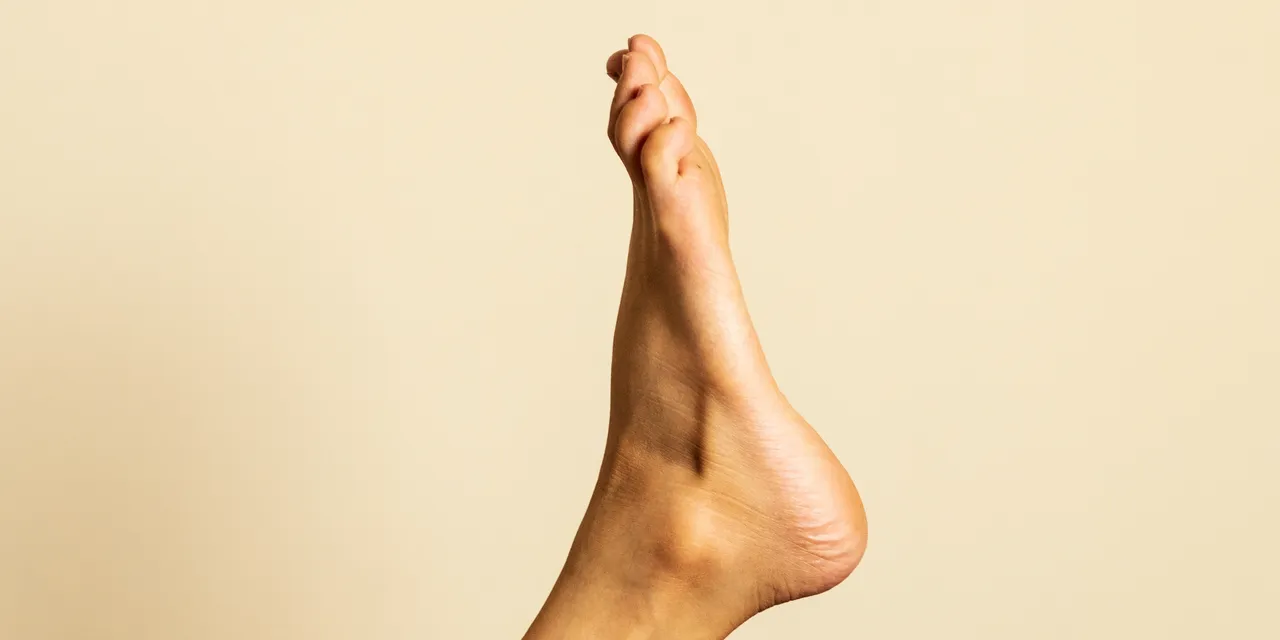
Kicking off your shoes when you get home may feel like sweet, sweet relief, but the habit can come with its own share of consequences—especially for people who are prone to foot issues.
The post-pandemic rise of remote and hybrid jobs has brought the fallout of barefoot-living to the forefront, Elizabeth Daughtry, DPM, FACFAS, a North Carolina-based podiatrist, tells SELF. Many people who were used to walking outside in shoes are now spending more time barefoot at home, which could be driving up cases of plantar fasciitis, a painful condition involving inflammation of the tissue in the arch, Dr. Dunn says. And that’s just one issue that can crop up when you constantly stride around sole-free.
And yet, going barefoot at home isn’t all bad, depending on your foot type and activity level. After all, shoes can be constricting, limiting range of motion in ways that lead to foot problems, Daniel Stewart, MD, a podiatrist at HCA Florida Mercy Hospital, tells SELF.
Read on to learn whether you may be better off wearing shoes all (or most) of the time at home, plus how to choose supportive house shoes that can help keep your feet pain-free.
Why walking around barefoot at home all the time could lead to foot problems
First, there’s the obvious danger of acute injury—tripping on a rug, falling down the stairs, stepping on “Legos and Barbie shoes,” Alicia Canzanese, DPM, ATC, a Pennsylvania-based podiatrist and athletic trainer, tells SELF. And if you need to flee quickly because of a fire or natural disaster, you don’t want to do so barefoot, Dr. Daughtry says.
Other issues can develop over time. When you’re off your feet for hours (say, sitting at your desk or overnight), your plantar fascia—that band of tissue that connects the base of your toes to your heel—tightens up, Dr. Daughtry says. If you go straight from your chair or your bed to stepping down barefoot, you risk overstressing and irritating the taut tissue.
Walking a lot or standing for hours without arch support can also cause pain in a ball of the foot, known as metatarsalgia, Dr. Daughtry says. That’s because your foot can flatten against the floor over time, putting extra pressure on your metatarsals. This can also lay the groundwork for a Morton’s neuroma, or irritation of the nerve tissue between the third and fourth toe, given that nerve is in closer contact with the floor, Jeffrey M. DeLott, DPM, a podiatric surgeon at Hartford HealthCare’s Connecticut Orthopaedic Institute, tells SELF.
Who should especially avoid walking around barefoot
There are a few categories of people who should largely avoid being shoeless, such as those who:
