

Key Takeaways
- Zoloft may take 1 to 2 weeks to improve physical symptoms and up to 8 weeks for emotional symptoms.
- You might feel tired or more awake when starting Zoloft, so work with your doctor to decide the best time to take it.
Zoloft (sertraline) belongs to a class of medications called selective serotonin reuptake inhibitors, or SSRIs. These medications work by increasing the level of available serotonin in the brain. Low levels of serotonin in the brain are linked to a depressed mood as well as other psychiatric symptoms.
Besides major depressive disorder, Zoloft is also approved by the Food and Drug Administration (FDA) to treat the following psychiatric conditions:
Zoloft Timeline
Learning how Zoloft works and what to watch out for when taking it can help you better cope with your illness and stick to your treatment plan. For example, it’s important not to expect immediate results when taking Zoloft.
Depression
Sertraline may improve physical symptoms of depression (such as difficulty sleeping, low energy levels, and lack of appetite) in one to two weeks. However, it may take up to eight weeks before you notice improvement in emotional symptoms (like depressed mood, apathy, and social withdrawal).
Anxiety
A 12-week trial in 2015 found that daily doses of sertraline—between 50mg and 150mg—noticeably reduced mental and somatic symptoms of generalized anxiety disorder in participants by week four. (Mental symptoms of anxiety include nervousness, worry, and irritability, whereas somatic symptoms include chest pain, stomach ache, and nausea.)
Obsessive Compulsive Disorder
Sertraline may reduce OCD symptoms in four to six weeks. A daily dose of sertraline between 50mg and 200mg is linked with the reduction of anxiety, fear, physical symptoms, and avoidance behaviors in people with OCD. However, a doctor may increase the dosage if no improvements occur after four weeks (and there are no major side effects),
How Does Zoloft Make You Feel?
During your first few days on Zoloft, you may feel fatigued or drowsy. A doctor may recommend that you take it in the evening to avoid feeling tired during the day.
In other cases, Zoloft can actually have a stimulatory effect and increase energy. It may also cause sleep disturbances, such as insomnia. In this instance, a doctor may recommend that you take Zoloft early in the day and avoid other stimulants, such as caffeine, so that your sleep isn’t negatively impacted.
Like other antidepressants, Zoloft may worsen your symptoms before they improve. This is why it’s important to monitor how you feel and talk to a doctor right away if you notice any concerning side effects.
How to Know If Zoloft Is Working
SSRIs like sertraline work by boosting serotonin levels, which can help you regulate your emotions and feel less inhibited by any disruptive symptoms of your mental health condition. You may know that Zoloft is working if you:
- Experience emotional stability
- Feel an increase in happiness and well-being
- Feel calmer
- Feel more focused
Zoloft Side Effects
In addition to changes in energy levels, you may experience additional side effects during the first few weeks of taking Zoloft.
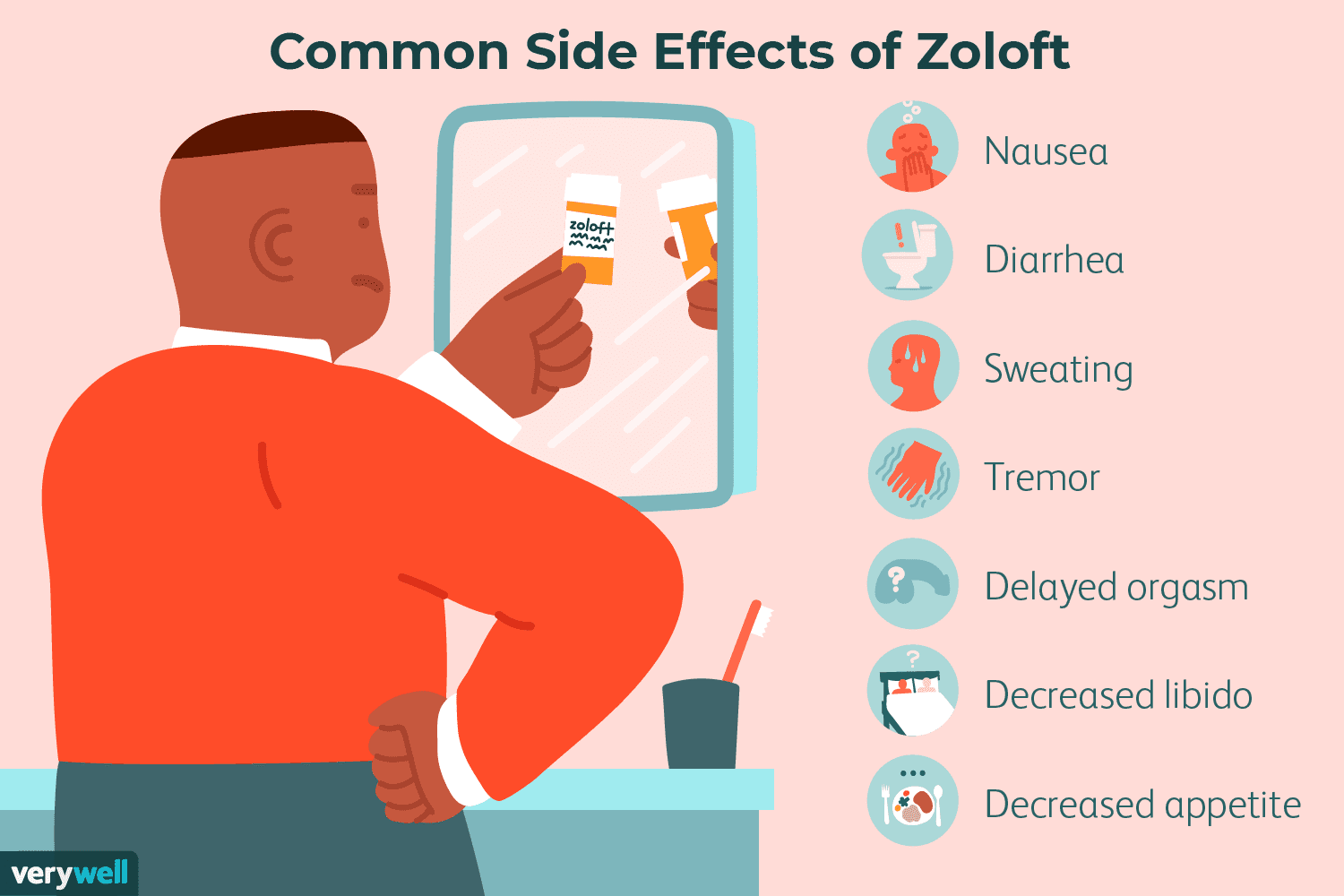
The most common side effects of sertraline include nausea or upset stomach, diarrhea, sweating, tremor, or decreased appetite. Sexual side effects may also occur, most notably delayed ejaculation and decreased libido.
If any of these side effects persist or are causing significant problems, talk to a doctor. Sometimes, simple remedies can ease Zoloft’s side effects, like taking it at a different time of day or changing the dose. Your doctor may also recommend switching to a different SSRI or a different class of medication altogether.
Serious Side Effects
In addition to the common side effects mentioned above, there are some serious effects to be aware of if you are taking Zoloft. If you experience any of the following, contact your doctor right away.
Suicidal Thoughts and Behavior
A “black-box warning” refers to a serious notice made by the FDA about a medication. The black-box warning for Zoloft indicates it may cause or increase thoughts of suicide in children and young adults. Monitor your loved one or yourself if you’re in this age group for any signs of such thoughts, and seek help immediately if they occur.
Serotonin Syndrome
Taking Zoloft may put you at risk for a rare, possibly life-threatening condition called serotonin syndrome. This risk is higher if you are also taking other serotonin-related medications like triptans (a common migraine medication), tricyclic antidepressants, or the pain medication Ultram (tramadol). However, the syndrome can occur when taking Zoloft alone, as well.
Signs and symptoms of this condition include:
- Agitation
- Confusion
- Fluctuating blood pressure
- Gastrointestinal problems like diarrhea
- High heart rate
- Rigid muscles and/or coordination problems
- Tremors
To be proactive in avoiding this rare syndrome, be sure to tell your doctor all the medications you are taking, including any over-the-counter drugs or supplements.
Before You Start Taking Zoloft
It’s important that a doctor is aware of your relevant medical history prior to prescribing Zoloft. This includes any pre-existing conditions you may have, medications you’re taking, or if you’re pregnant or breastfeeding.
Zoloft, like any medication, presents certain risks and precautionary measures should be taken when possible.
Risk of Bleeding
There is an increased chance of bleeding when taking Zoloft, along with medications that block platelets or medications that thin your blood. Examples include aspirin, nonsteroidal anti-inflammatory drugs (NSAIDs), and Coumadin (warfarin).
Notify your doctor right away if any bleeding events, like nosebleeds or increased bruising. Seek medical attention immediately if you notice more serious bleeding events, such as blood in your stool.
Low Sodium Levels
Low sodium levels in the bloodstream (called hyponatremia) may occur with Zoloft and other SSRIs. In severe cases, hyponatremia can lead to seizures and other serious neurologic and medical issues. Signs and symptoms of hyponatremia include:
- Confusion
- Headache
- Memory difficulties
- Problems concentrating
- Unsteadiness and potentially falling
- Weakness
Hypomanic or Manic Episodes
Zoloft can trigger a hypomanic or manic episode in a person with bipolar disorder. Before taking Zoloft, tell your doctor if you have ever been diagnosed or suspected of having bipolar disorder or have a family history of it.
Allergic Reactions
While not common, if you take Zoloft and develop signs or symptoms of an allergic reaction like rash, hives, swelling, or problems breathing, contact your doctor right away.
Risk to Unborn Babies
You should inform your doctor if you become pregnant while taking Zoloft or are planning a pregnancy. Zoloft use in the third trimester may increase a baby’s chance of developing complications like a rare condition known as persistent pulmonary hypertension, which can cause breathing problems. In addition, third-trimester use of Zoloft may cause neonatal withdrawal symptoms.
However, some women may need to continue taking Zoloft during pregnancy because the benefit of treating their illness outweighs the potential risks. Overall, this decision requires a careful and thoughtful discussion with both an obstetrician and a mental health professional.
Low levels of Zoloft may be present in breast milk, so lactating parents should consult with their doctors before nursing while taking this medication. Breastfeeding is typically encouraged unless there is a medical reason for the parent to avoid breastfeeding.
How to Take Zoloft
It’s important to follow the instructions that a doctor provides when taking Zoloft. The dosage that is prescribed will vary from person to person.
Zoloft is most often taken in tablet form once per day. A typical dosage for those with depression, obsessive-compulsive disorder, and premenstrual dysphoric disorder is 50mg per day. Those with panic disorder, PTSD, and anxiety disorders may start out at 25mg per day.
Try to take your Zoloft at the same time every day. Setting a timer on your phone may be helpful so you don’t forget.
What Happens If I Miss a Dose of Zoloft?
If you do miss a dose of Zoloft, take it as soon as you remember, unless it is too close to your next dose. In other words, never take two doses of Zoloft at the same time. Simply take your next scheduled dose and then return to your usual schedule.
Overdose
Contact a poison control center and your doctor for guidance if you or a loved one overdoses on Zoloft. The most common signs and symptoms associated with Zoloft overdose include:
- Agitation
- Dizziness
- Fast heart rate
- Nausea
- Sleepiness
- Tremor
- Vomiting
Stopping Zoloft
Stopping Zoloft may result in symptoms of sertraline withdrawal, also known as SSRI discontinuation syndrome. This is one reason why it’s important to consult with your doctor before stopping this medication.
If you and your doctor decide it’s best for you to stop Zoloft, they can provide you with a tapering strategy to minimize any withdrawal symptoms like irritability, anxiety, or flu-like symptoms.
