

- Seasonal affective disorder (SAD) is impacted by shorter days and cold weather. Bright lights and medication help, but what you eat can help too.
- Omega-3s are a top nutrient to help you feel better. They’re known for being anti-inflammatory and supporting your brain.
- Eat more omega-3s by choosing salmon, mackerel and walnuts. Try to prioritize sleep, light and moving your body.
As the days get shorter and a distinct chill fills the air, you might notice a shift in your mood. For many, the transition into fall and winter brings more than just cozy sweaters and hot drinks; it can also usher in a period of low energy, sadness and a general lack of motivation. This common experience is known as seasonal depression, or seasonal affective disorder (SAD). It’s a type of depression that follows a seasonal pattern, typically starting in the fall and continuing through the winter months, when sunlight is scarce. While many factors contribute to SAD, the medical community agrees that bright light therapy and medication-based treatments are currently considered the primary approaches for managing SAD, and some evidence suggests that dietary choices may help improve symptoms of this condition.
One nutrient, in particular, stands out for its powerful effects on brain health and mood: omega-3 fatty acids. “Omega-3 fatty acids are essential fats that play an important role in brain health and mood regulation,” says Aimee Gershberg, RD, CDN, CNSC, CPT. While there is limited data linking omega-3 fatty acid intake to SAD symptom improvement specifically, evidence does suggest that it may have a positive impact on mood in general. Let’s explore why making this nutrient a priority in your diet may help you navigate the winter blues.
Why Omega-3 Fatty Acids May Help with Seasonal Depression
Omega-3s are more than just a buzzword in the nutrition world; they are fundamental components of our health, especially when it comes to our brains. “These fats help form the structure of brain cell membranes and support communication between nerve cells,” Gershberg explains. When your brain cells can communicate effectively, it can have a positive ripple effect on your entire mental state. Here’s a closer look at why these fats are so beneficial.
They Support Brain Structure and Function
“Omega-3 fatty acids, particularly EPA and DHA, are major components of brain cell membranes,” says Sarah Schlichter, M.S., RDN. She adds that they may help these membranes work more efficiently. Better-functioning cell membranes may lead to improved overall brain function, which is crucial for maintaining a stable mood.
They May Help Reduce Inflammation
Chronic inflammation is increasingly linked to a variety of health concerns, including depression. “Research has shown a link between depression and inflammation, indicating that inflammation may block the release of serotonin,” Schlichter notes. Serotonin is often called the “feel-good” neurotransmitter because it contributes to feelings of well-being and happiness. “Reducing the inflammation may aid in enhancing mood and decreasing the risk of depression,” Schleichter adds. Omega-3s are well-known for their anti-inflammatory properties, which may help counteract this effect and support a more positive mental state.
They Support Neurotransmitter Activity
Neurotransmitters like serotonin and dopamine are chemical messengers that influence how you feel. Low levels or inefficient use of these chemicals can contribute to feelings of depression.
Omega-3s can help your brain use these messengers more effectively. “Omega-3s, particularly EPA and DHA found in fish, may help support the brain’s use of neurotransmitters such as serotonin and dopamine,” shares Gershberg. Schlichter echoes this, explaining that a healthy brain may allow these “feel good” neurotransmitters to travel through and work more effectively.
Best Food Sources of Omega-3s
There are several types of omega-3 fatty acids, but the most well-known are ALA, EPA and DHA. ALA is found in plant-based foods like walnuts and chia seeds, while EPA and DHA come from fish and seafood.
Here are some of the best food sources of omega-3 fatty acids and simple ways to incorporate them into your meals.
- Salmon: This popular fish is packed with omega-3s. Try baking a salmon fillet with lemon and dill for an easy weeknight dinner, or add smoked salmon to your morning scramble or avocado toast.
- Mackerel: A smaller, oily fish with a rich flavor, mackerel is another excellent source. It’s delicious when grilled or broiled with a simple seasoning of salt and pepper.
- Herring: Often found pickled or smoked, herring is a staple in many cuisines. Enjoy it on rye crackers with a bit of onion for a traditional and nutrient-dense snack.
- Sardines: Don’t overlook these small but mighty fish. Canned sardines are an affordable and convenient option. Mash them with some Greek yogurt and herbs to create a savory spread for sandwiches or toast.
- Walnuts: If you’re looking for a plant-based source, walnuts are a top choice. They are the only tree nut that is considered to be an excellent source of the omega-3 ALA. Sprinkle them over oatmeal, yogurt or salads for a crunchy, brain-boosting addition.
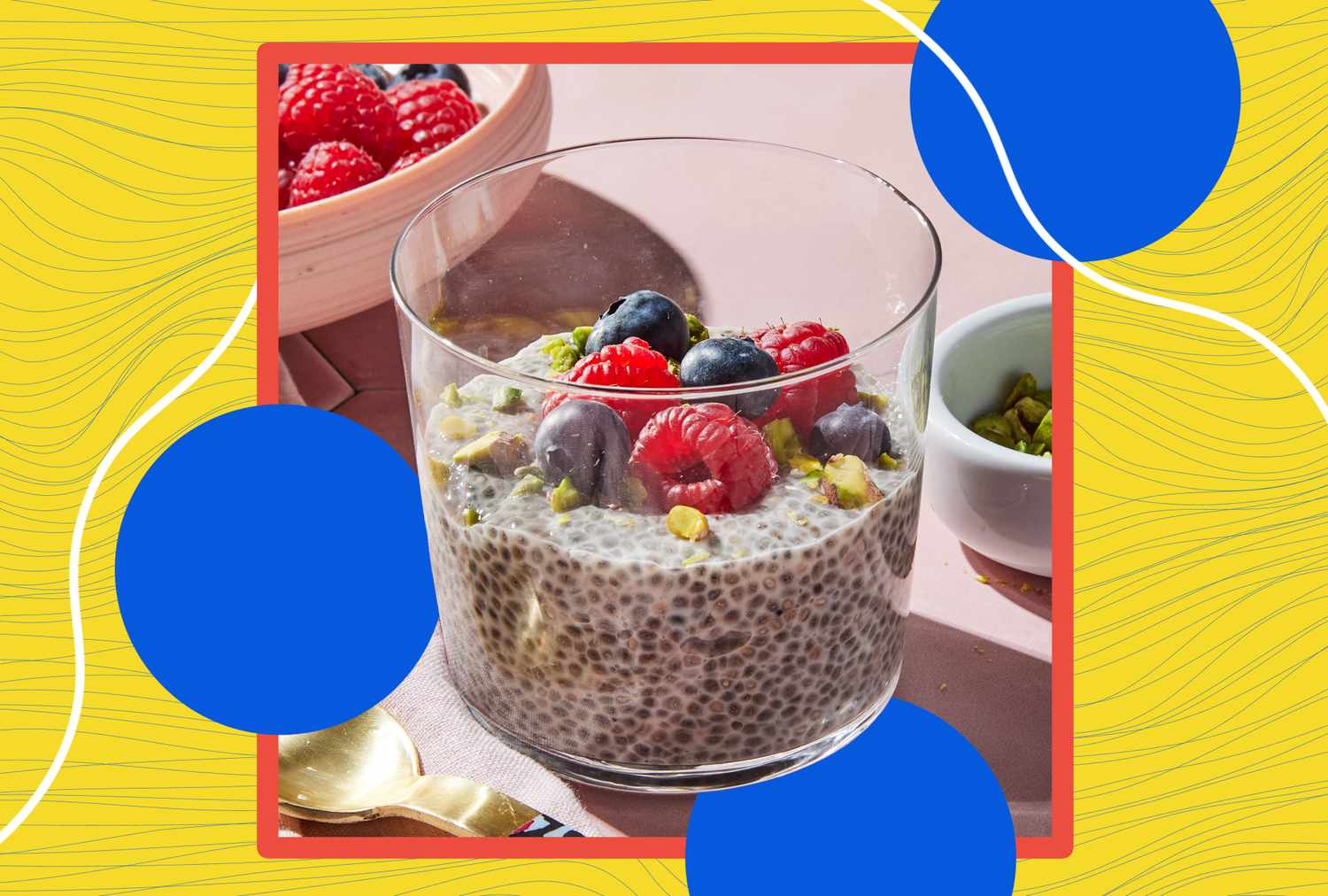
- Chia Seeds and Flaxseed: These tiny seeds are a source of ALA. Add a tablespoon of ground flaxseed or chia seeds to your smoothies, mix them into baked goods, or make a simple chia seed pudding for a healthy breakfast or dessert.
Other Tips for Managing Seasonal Depression
While nutrition is a powerful tool, a holistic approach is often the most effective for managing SAD. As Gershberg reminds us, “While nutrition alone cannot prevent SAD, it can make a meaningful difference when combined with habits like regular movement, light exposure and consistent sleep.”
Here are a few other strategies to consider:
- Speak with your health care provider. If you’re struggling with symptoms of seasonal depression, the most important step is to talk to a doctor or mental health professional. They can provide an accurate diagnosis and discuss treatment options, which may include therapy, light therapy or medication.
- Prioritize light exposure. Reduced sunlight is a major trigger for SAD. Try to get outside for at least 15 to 30 minutes each day, especially in the morning. On overcast days, simply opening your blinds and sitting near a window may help. Some people also find light therapy boxes, which mimic natural sunlight, to be very effective.
- Stay active. Regular physical activity is a proven mood booster. Exercise releases endorphins and can help alleviate feelings of lethargy and sadness. Aim for at least 30 minutes of moderate activity, like a brisk walk, most days of the week.
- Maintain a consistent sleep schedule. The changing seasons can disrupt our internal clocks. Going to bed and waking up around the same time every day, even on weekends, can help regulate your sleep patterns and improve your mood and energy levels.
- Eat a balanced and nutrient-dense diet. Data supports the notion that the right dietary pattern may have more of an impact on SAD symptom relief versus focusing on a single nutrient or food. A diet that’s rich in vegetables and that provides adequate protein and complex carbohydrates is recommended.
Our Expert Take
Navigating seasonal depression can be challenging, but you have tools at your disposal to help you feel better. While it won’t be a cure for SAD, focusing on your nutrition, especially by increasing your intake of omega-3 fatty acids, may provide powerful support for your brain health and mood. By combining a diet that contains omega-3 fatty acids with other lifestyle habits like getting sunlight, moving your body, eating a balanced diet rich in vegetables, and prioritizing sleep, you can take meaningful steps to brighten your winter days.
