

Key Takeaways
-
Recovering from the impacts of narcissistic abuse can be lonely, frustrating, and challenging, but healing is absolutely possible.
-
You can find a narcissistic abuse support group by asking your mental health provider for referrals.
-
Domestic violence centers often have support groups for survivors of intimate partner violence, which includes narcissistic abuse.
Joining a narcissistic abuse support group can be helpful if you have experienced narcissistic abuse from someone in your life. Such groups offer emotional support, empathy, and information that can help you understand what you’ve experienced.
First things first: Abuse is never your fault. Every individual deserves the right to have a healthy, safe, and supportive relationship, and no one should have that right violated.
If you are in an abusive relationship or have been in one in the past, getting help healing is extremely important. It isn’t uncommon for folks to be unaware of the various types of abuse.
Abuse isn’t only physical harm that leaves bruises and scars. It can also be emotional and psychological abuse that can leave you feeling scared, unsure of yourself, and completely dependent on your abuser.
What Is Narcissistic Abuse?
Narcissistic abuse is a form of emotional and psychological abuse that utilizes manipulation, coercion, scare tactics, and control. This abuse can have devastating effects on the survivor’s relationships, finances, and self-image.
Narcissistic abuse is classified as a form of domestic violence, meaning it can be inflicted on intimate partners and family members like children and elders. It is perpetrated by those who present with narcissistic traits and by those who experience Narcissistic Personality Disorder (NPD).
Narcissism is a term that is thrown around freely in our society, but it is important that both narcissistic traits and NPD are understood when identifying narcissistic abuse.
First, narcissistic traits are more than someone who is simply obsessed with themselves and is power-hungry. Narcissistic traits refer to some of the traits of NPD, such as lacking empathy, requiring those around them to praise them, and having an inflated sense of self.
Someone with NPD exhibits all those traits, amongst others, to the point of impairing their interpersonal relationships.
The Cycle of Narcissistic Abuse
Narcissistic abuse is covert and hard to spot at times. However, there is a cycle of abuse particular to narcissistic abuse in romantic relationships. Those with narcissistic traits tend to seek out sensitive and empathic individuals.
Early Stages
The early stages of a relationship where narcissistic abuse is present can seem like a fairy tale, with the narcissistic person lavishing the survivor with praise, gifts, adoration, and grand plans for the future.
In turn, the survivor often fosters a deep admiration and love for their abuser. This plays into the narcissistic desire to be adored and to exert a level of control over others.
Middle Stage
After the early stage of over-the-top romance, the emotional abuse will begin to present itself through deprecating language, humiliation, and dismissive communication that aims to chip away at the survivor’s self-esteem.
Final Stage
The final stage of narcissistic abuse is characterized by a complete withdrawal from the partner. The abuser may begin to engage in infidelity, spread lies to the survivor’s loved ones, cut all contact, or even gaslight the survivor.
Narcissistic abuse in nonromantic environments follows a similar theme: an intense adoration for the survivor, a stretch of time when the survivor is devalued, then the survivor is discarded. This is true among family members and friendships and can even occur in the workplace.
Seeking a Support for Narcissistic Abuse
Emotional abuse can have devastating effects. Research has shown that people who experience emotional abuse in childhood are more likely to experience anxiety, stress, depression, and neuroticism in adulthood.
Social media can be the first place a survivor finds information that helps them make sense of the abuse they just experienced.
Due to the manipulative nature of narcissistic abuse, it can be very hard for the survivor to understand their own emotional reality.
Uncovering information about narcissistic abuse can be helpful for those who are grappling with accepting and believing their lived experiences after being fed lies by their abuser. It can also help survivors realize the abuse never was and never will be their fault.
Aside from digital support, social support is very important. A huge component of narcissistic abuse is complete isolation. When survivors realize they aren’t alone upon hearing others share about what they’ve overcome, they can begin to realize they aren’t alone and healing is possible.
What to Expect from a Narcissistic Abuse Support Group
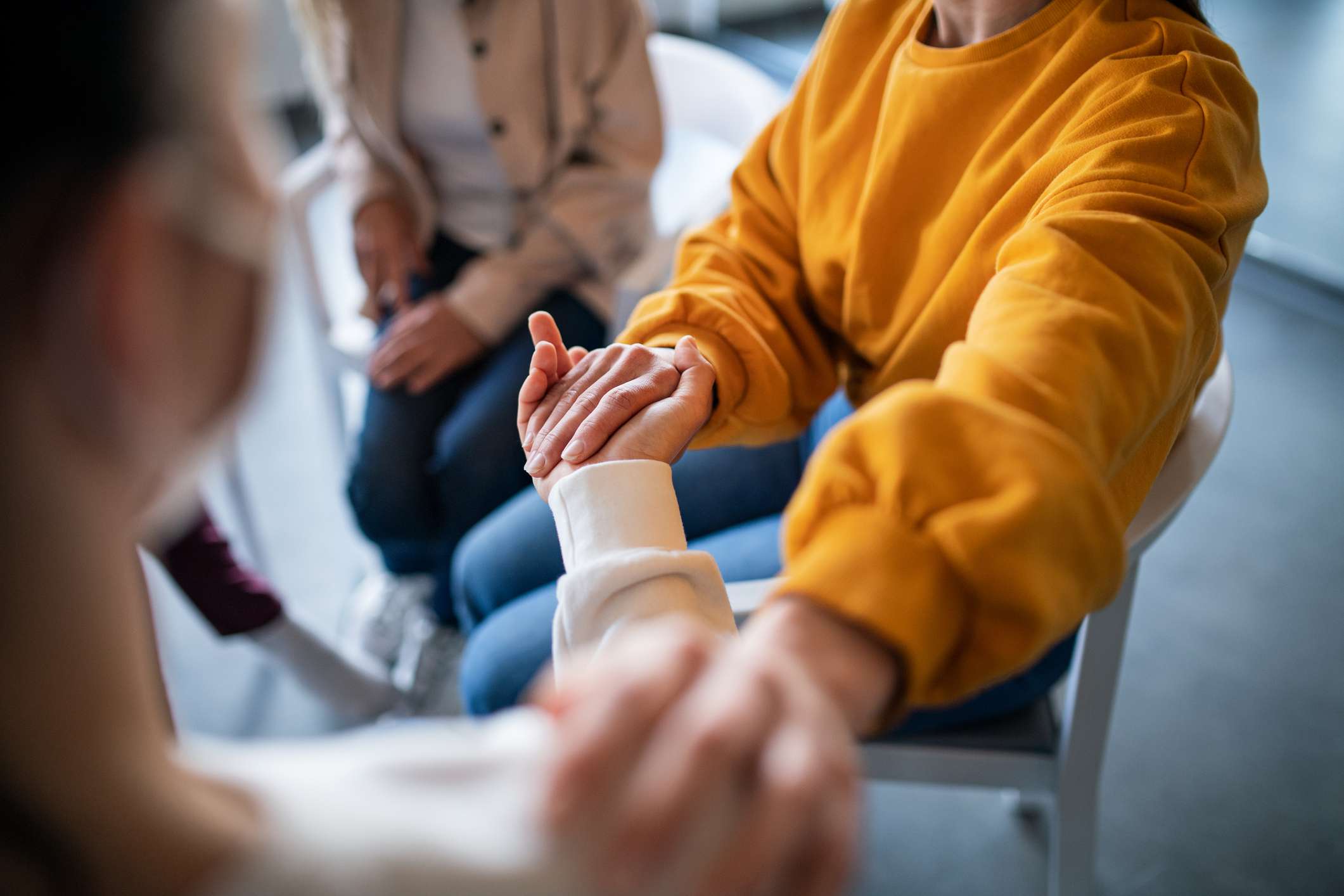
A narcissistic abuse support group is a safe space where survivors come together to support each other while they heal from the abuse they’ve been subjected to.
Some groups are peer-led, meaning there is a rotating leadership from members of the group. Others may be led by a licensed psychotherapist.
You can expect a space where you will be heard, validated, and supported by others who have survived experiences similar to yours. These support groups are great additions to psychotherapy and can end up being an integral part of your healing journey.
How to Find a Narcissistic Abuse Support Group
There are multiple ways to find a narcissistic abuse support group.
Talk to a Mental Health Provider
First, you can reach out to a mental health provider and ask them for referrals for any narcissistic abuse support groups near you. They are likely to have some information to share with you, and in the rare event they don’t, they can point you in the right direction.
Domestic Violence Centers
Domestic violence centers typically run support groups for survivors of intimate partner violence (IPV) and narcissistic abuse qualifies as a form of IPV.
Family Support Groups
It isn’t uncommon for those experiencing NPD and narcissistic traits to also have addiction issues and it is worth assessing if the perpetrator of abuse suffers from addiction. If so, Al-Anon, the 12-step program for friends and family of alcoholics, may be a good fit for you.
Al-Anon is a supportive group for folks who are healing from the harms of alcoholic behavior. It offers a space to share your feelings, connect with others, and even have one-on-one peer support in the form of something called sponsorship.
While Al-Anon isn’t specifically for narcissistic abuse survivors, if your abuser is an has an addiction, it may be the support you’re looking for.
Resources for Narcissistic Abuse
Below are other resources that may be helpful to you:
- National Domestic Violence Hotline: This organization offers a hotline, textline, and online chat for those seeking support in unsafe relationships. They also have a tool on their website that can help you find resources, including support groups, in your area.
- Help Within Reach: Founded by therapist Pamela Raphael, Help Within Reach offers a variety of narcissistic abuse support groups. The groups are conducted virtually and are open to anyone regardless of location.
- I Believe Your Abuse: I Believe Your Abuse is an online guide to recovery from narcissistic abuse. They offer a directory of therapy and support group resources organized by state.
Thanks for your feedback!
What is your feedback?
Helpful
Report an Error
Other
