

We may earn a commission from links on this page.
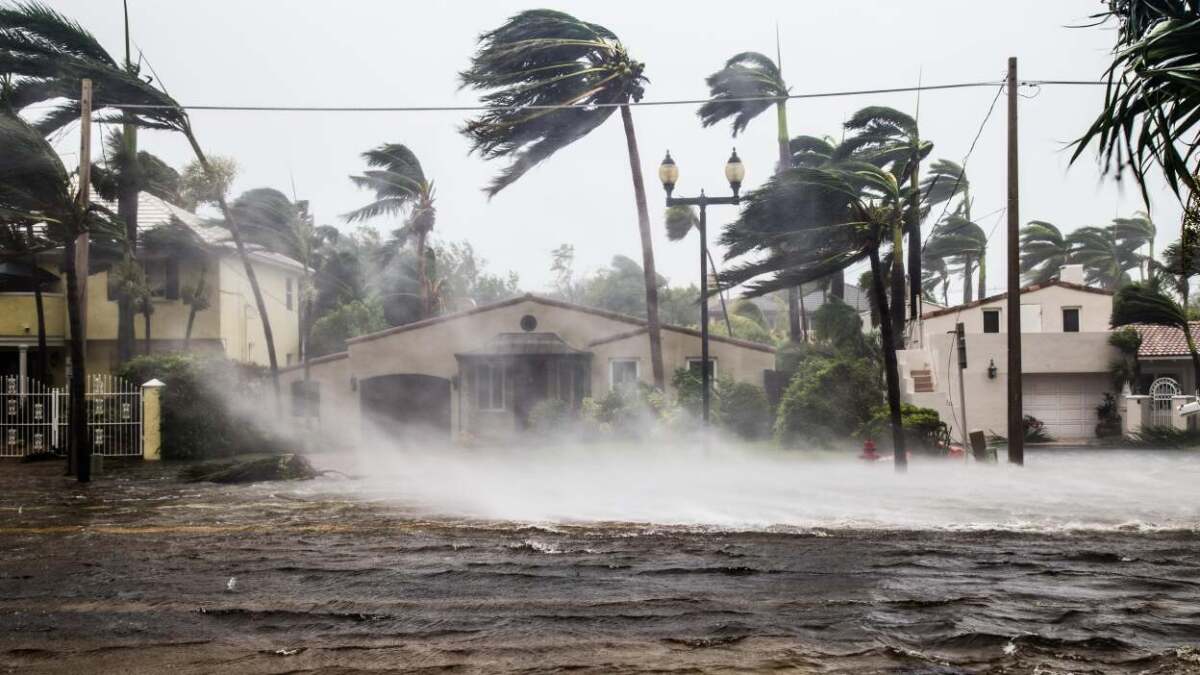
A depressing byproduct of global climate change is more powerful hurricanes—four of the six strongest hurricanes on record have occurred since 2005, and Hurricane Melissa, which tore through Jamaica yesterday as category 5 storm, may become number five.
Everyone living near either U.S. coast is potentially in danger from these types of vicious storms, whether from debris made deadly from high winds, accidental electrocutions from downed power lines, and especially from storm surge and fresh-water flooding, the main cause of hurricane-related deaths. But you can keep yourself safer if you follow a few simple steps.
Where are the safest places to be during a hurricane?
-
First, get out of the hurricane’s path. The safest place to be when a hurricane approaches is somewhere else; so you should definitely evacuate when you are told to. Hurricanes are not entirely predictable but they’re slow enough that evacuation is usually possible. Don’t be prideful; track storms early and get out of Dodge if you’re in danger. (Information on how to track hurricanes is below.)
-
Go to a designated shelter: Sometimes residents are ordered to shelters as hurricanes approach. If the civic authorities tell you to go to one, do it. An “official” shelter will almost definitely be safer than your house.
-
Stay inside your home. If you haven’t evacuated (whether because you’re stubborn or “shelter in place” orders have been given), stay inside. Hurricanes are powerful, fascinating storms, but resist the urge to go outside and experience them or to try to batten down the hatches once the storm is upon you. It’s too late. Save yourself, not your lawn furniture.
-
Stay away from windows. Don’t look out the windows during a hurricane. The storm’s winds can turn the glass in your windows to flying shards of death in an instant.
-
Go to a small, interior room: The safest part of your house is the middle. You’re trying to avoid the shards of flying glass when your windows are blown in, so an interior room with no windows is your best bet. It could be a hallway, a bathroom, a pantry, etc. Wherever you hunker down, make sure there are no heavy objects above you that could fall.
-
Stay on the lowest floor that isn’t the basement: You might think higher ground is the move, but it is not. Avoid the upper floors of your home because the wind is stronger the higher you go, and in severe hurricanes, roofs can be blown off or destroyed by blown debris. Stay on the lowest interior floor that is not likely to flood; but not the basement. Basements can fill quickly during storm surge and are not always safe.
-
Stay in your house even longer: Be patient, and do not be fooled if there is a lull in the storm. You could be in the eye of the hurricane, and the high winds might pick up again. Listen to your radio and wait for local officials to indicate it’s OK to go outside.
While there are ways to mitigate risk, being trapped in your house during a hurricane is a potentially deadly situation, and can almost always be avoided if you take some precautions and evacuate when ordered to.
Know how emergency alerts for hurricanes work
Make sure your phone and backup burner phone are set up to receive Wireless Emergency Alerts (WEA) from FEMA through the Integrated Public Alert Warning System (IPAWS). These are free 90-character texts that local authorities can send to mobile devices within range of any cell towers in an affected area. There’s no need to sign up; just make sure your phones are updated and charged.
For more hurricane information, opt in to local public alert systems
Next, do a search for your jurisdiction’s opt-in public alert system. Click here and enter your town, city, or county name + “emergency alerts” to see how you can sign up. It’s not a bad idea to check with your local emergency management or public safety office either. You can also receive alerts and warnings directly from the National Weather Service with a NOAA Weather Radio. Do your best to make sure everyone in the family is able to get warnings and alerts—not just you.
What is the difference between a hurricane “advisory,” “watch,” and “warning?”
Warnings aren’t much help if you don’t know what they mean. Here’s a quick breakdown of hurricane and tropical storm warnings, via FEMA:
-
Hurricane advisory: The National Weather Service (NWS) issues this when they expect a storm to cause significant inconveniences that may be hazardous, but not life-threatening.
-
Hurricane watch: NWS issues this when there is a possible hurricane within the next 48 hours. If you see a watch issued, turn on your NOAA Weather Radio, local radio, TV, or other news source to stay informed. Double check your emergency supplies and go-bag in case you need to hunker down or evacuate.
-
Hurricane warning: The NWS issues this when it expects a hurricane within the next 36 hours. Do everything listed in the “Watch” section, then prepare to evacuate if told to do so.
How to prepare for hurricane evacuation
It’s possible local authorities will tell you to evacuate the area, so you need to be prepared to leave at a moment’s notice. Here’s what you need to do to be ready:
-
Have an evacuation plan: Either learn your community’s evacuation plan or develop one of your own using suggested routes via your state’s Department of Transportation or Office of Emergency Management websites.
-
Have a place to go: Inform family or friends who you might be staying with, or locate a nearby emergency shelter location using the FEMA mobile app. Designate a meet-up place for everyone in case you get separated.
-
Prepare your vehicle: Fill up your gas tank, load up your car with basic emergency supplies, and make sure it’s ready to roll out.
-
Grab your go-bag: Everyone in your household should have a go-bag (aka “bug-out bag”) packed and ready. It should include water, non-perishable food, a flashlight, backup power for your phone, a first-aid kit and prescriptions, copies of important documents, a change of clothes, hygiene basics, and anything your kids, seniors, or pets need to get through a few days away from home. Here are more details on what to put in a go-bag.
-
Leave no one behind: Make sure your evacuation plan accounts for everyone in your household, including pets.
How to protect your house from a hurricane
If you have the time before the storm threatens, prepare your home for being battered with high winds, heavy rains, and airborne debris. That means reinforcing doors and protecting windows. All windows, skylights, and sliding glass doors should be covered. Plywood is the cheapest option, but it has to be installed properly. They know a lot about hurricanes in Florida, so here’s the government’s guide to proper plywood installation for hurricane preparedness.
What do you think so far?
DO NOT tape your windows in hopes of protecting them. It isn’t very effective and this method can actually create larger, more dangerous shards of glass if they break.
How to prepare your yard for a hurricane
Once you’ve got all openings covered, bring in all loose objects from your yard: patio furniture, garbage cans, bicycles, toys, lawn tools, etc. If something is too big to bring inside, anchor it as best you can outside. Make sure your trees are trimmed to avoid branches smashing into your home. Unplug electronics and be sure to shut off all propane tanks.
Last, get your home and property ready for potential flooding. Clean debris out of your gutters and drains, elevate your heating system, water heater, and electric panel, and don’t keep any easily-damaged valuables in the basement or in low areas.
What to do after a hurricane
The danger isn’t over when the winds stop blowing. Here are some things to remember after a hurricane ends.
-
Stay out of floodwater: Don’t walk or drive on a flooded street. Never enter floodwaters—even shallow water can hide electrical hazards and could be rife with dangerous chemicals, human and animal waste, and possibly deadly pathogens.
-
Do not go near damaged buildings: Storm-damaged structures can collapse.
-
Beware of downed power lines: Powerful winds can knock over power lines and power lines can electrocute you.
-
Use generators safely: If you’ve lost power but you have a generator, make sure you know how to use it safely.
-
Make sure your food and water are not contaminated: Throw away food and beverages that have had any contact with floodwater, or smells or looks suspicious.
-
Follow directions of civic authorities: Listen to emergency broadcast radio and be ready to follow the directives of authorities.
