

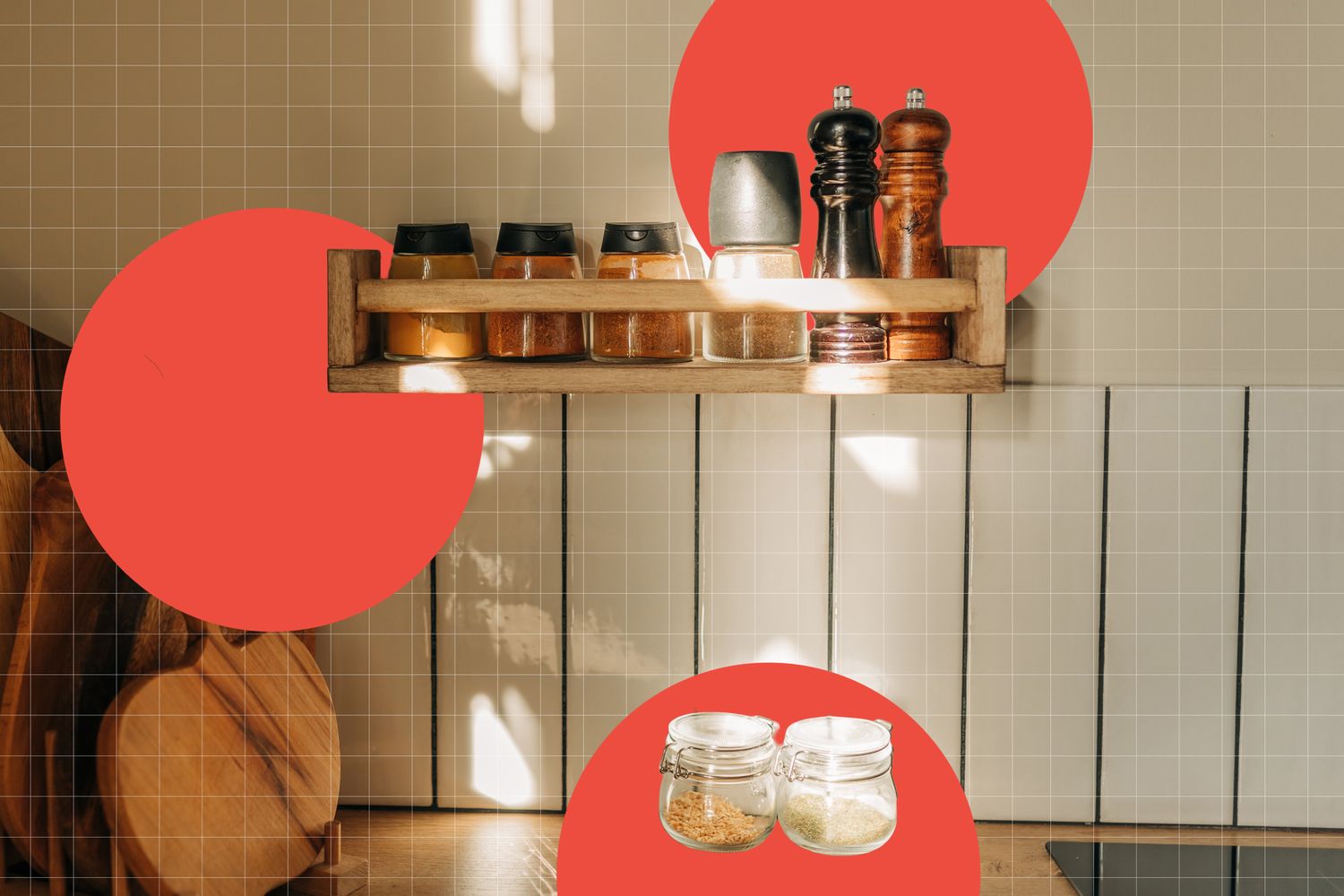
- Spices can be a healthy way to add flavor and color to your favorite recipes.
- How you store them can make a big difference in their shelf life, flavor and color.
- To keep spices in top shape, store them in opaque containers away from light and heat.
Spices are a quick, healthy way to dial up the flavor in your favorite foods. Yet just like any ingredient, they can lose their flavor if you don’t take proper care of them. So, the way you store your spices matters—a lot! Turns out, how you store your spices doesn’t just affect their flavor. You also want to keep them safe, as research has found that contaminated spices can harbor bacteria that can make you sick.
What are the dos and don’ts of spice storage? To find out, we spoke to a food scientist and a registered dietitian specializing in culinary medicine. Here’s what they told us.
Common Mistakes People Make When Storing Spices
Storing Spices Near the Stove
It’s convenient to maintain a beautifully stocked spice rack right by the stove. But your stove’s heat can damage their integrity, says Giana DiMaria, M.S., RD, CDN. And it’s not just your stove. Heat from your oven and microwave can also speed up the degradation processes, she says.
There’s another way storing your spices near your stove can spell trouble. When you cook, say, a pot of pasta, it releases a plume of mist. Because mold and bacteria love heat and humidity, a hot, moist environment is a direct ticket to spoiled spices, says DiMaria. As tempting as it is to store your spices near the stove, a cupboard or pantry will keep them in peak condition way longer.
Letting the Sunshine In
“You want your spices away from the sun,” says food scientist Christina Wessel. Storing your spices in a sunny spot can make their color fade. That means bright, colorful spices like turmeric and chili powder may start to look drab. Even worse, their flavor may take a hit, too.
Self-Drying Spices Incorrectly
Any conversation about storing spices would be remiss without a nod to herbs. While all of our expert tips apply to dried herbs as well, you should be especially careful if you like to harvest your own herbs and dry them yourself. DiMaria warns that there are ample opportunities for herbs to become contaminated on the road to consumption. “It can happen anywhere from the drying process to the harvesting, post-harvest or storage,” she says.
That doesn’t mean you can’t dry your own herbs. However, you will want to make sure to do it as safely as possible. This includes washing them well and letting the leaves dry out thoroughly in a well-ventilated part of your kitchen (and not outside in the sun, where dirt or animals can soil them). Alternatively, you can use a dehydrator, following the manufacturer’s instructions.
Holding onto Spices for Too Long
Do you have spices that have been hanging out in your pantry for years? You may have some coriander or cumin floundering on your shelf that’s way past its prime. While spices won’t spoil the same way fresh foods can, their flavor can deteriorate. Don’t worry about them losing their power too quickly, though. A good rule of thumb, according to the Department of Agriculture, is two to three years for ground spices and two to four years for whole spices.
Using Clear Containers
If you simply don’t have room for your spices somewhere dark, like your pantry, it’s a good move to protect them from the sun by storing them in opaque containers. “A clear container is also going to expose it to sunlight and just light in general, a lot easier,” DiMaria explains. Securing your lids is also important. So, don’t leave your spices open on the counter, even if you use them frequently, since exposure to air can make them deteriorate more quickly. A nice, tight lid also locks out insects, which are easily attracted to chili powder, red pepper and paprika.
How to Properly Store Spices
- Keep Them in a Cool, Dry Place: Besides making sure that your spices live behind a door, like a cabinet or pantry, choosing the right container is key. DiMaria recommends dark glass or metal jars with a tight seal.
- Buy Smaller Quantities: Wessel says that the best way to ensure that your spices stay fresh is simply buying less of them. Even though buying smaller quantities in bulk might seem like a good solution, the contents of bulk bins can easily become contaminated. Stick with smaller, sealed containers of spices instead.
- Discard Them When Their Smell Fizzles: One telltale sign it’s time to say goodbye to a jar? “The best way is just to open it up and just give it a good smell,” says Wessel. “If you really can’t smell anything, then you know this is definitely time to get a new one.”
- Use Whole Spices: “Whole versus ground will last longer,” explains DiMaria. “It takes more work, because you have to grind them yourself, but there are so many products on the market now. It takes not even 10 seconds, and they’re ready to go.”
- Refrigerate or Freeze Your Spices: Freezing spices is a great way to prolong their shelf life, says Wessel. Ditto for refrigeration. Just make sure to pack your spices in airtight containers before popping them in the fridge or freezer.
- Keep Those Containers Clean: One study found that spice containers were more likely to be contaminated with harmful bacteria than any other kitchen item tested, including cutting boards, trash can lids, kitchen faucets and other utensils. So, before you spoon your spices, wash those hands!
Our Expert Take
Though spices don’t typically become dangerous as they age, they can lose their flavor and color. To get the most out of these delicious additions to your favorite dishes, you’ll want to store your spices properly. To keep your spices in tip-top shape, store them in opaque, tightly sealed containers away from light and heat. While the pantry is always a safe bet, you can help them last even longer by stashing them in the fridge or freezer. Spices aren’t just a fantastic way to add flavor to your favorite foods. They’re also expensive. So, give them the TLC they deserve!
