

Key Takeaways
- St. John’s wort may not be an effective treatment for depression in children based on limited research.
- Studies suggest that antidepressant medications might increase the risk of suicidal thoughts in people under 25.
- St. John’s wort can interact with many commonly used medications.
If your child has been diagnosed with depression or has signs or symptoms of childhood depression, you may be wondering if natural remedies for depression, such as St. John’s wort, are appropriate. Here’s what you need to know about the effectiveness and safety of St. John’s wort for treating childhood depression.
What Is St. John’s Wort?
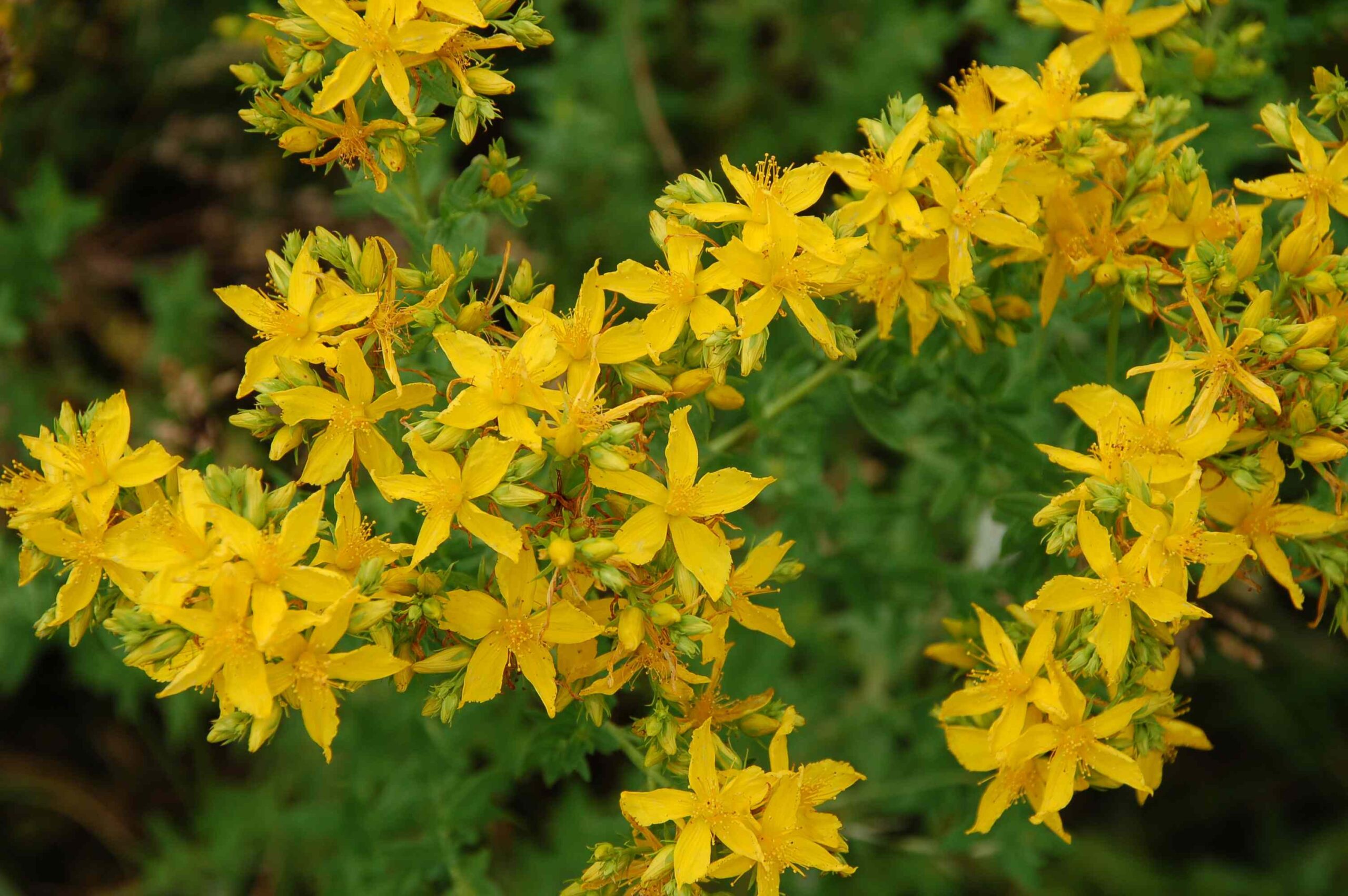
St. John’s wort is an over-the-counter natural herb also known as Hypericum perforatum, Klamath weed, hypericum, and goatweed. The flowering plant can be used for many purposes and is available in a variety of forms. The extract can be used alone or in combination with other herbs as a nutritional supplement in a capsule, tablet, liquid, or topical product. The flowering tops of the St. John’s wort plant is often used in teas.
People have reported using the herb to treat a wide variety of symptoms and disorders including depression, nerve pain, sleep problems, and anxiety. St. John’s wort was also investigated as a potential treatment for attention deficit hyperactivity disorder (ADHD) in children, however, the research found it to be ineffective.
What the Research Says About Use in Children
The National Center for Complementary and Alternative Medicine states that the research on St. John’s wort has provided inconsistent results and therefore it doesn’t consider it to be an effective treatment for depression.
However, there have been studies that appear to demonstrate St. John’s wort’s potential effectiveness for treating depressive symptoms in adults, both when compared to a placebo and prescription depression medications such as Zoloft (sertraline).
When used appropriately, St. John’s wort may be comparable to serotonin reuptake inhibitors (such as Prozac, Zoloft, Celexa, Zoloft, and others) in effectiveness and safety for treating depression in adults. However, the use of St. John’s wort for depression in children has not been well-studied.
There have not been many studies specifically assessing the use of St. John’s wort in the treatment of childhood depression.
A study from 2003 included boys between the ages of 6 and 16 found that of the 33 youths in the study, 25 met response criteria (based on responses to a depression rating scale) after taking St. John’s wort for 8 weeks and didn’t have any major side effects from taking the herb. This data is promising, but doesn’t compare St. John’s wort with placebo. Another study in 2005 found that some adolescents with mild depression might benefit from using St. John’s wort. However, the study did not look specifically at improvement of depressive systems as an outcome variable.
In both studies, the researchers noted the need for additional research to support the findings, particularly with placebo-controlled trials.
Use in Children vs. Adults
Studies that look at how a medication works for adults can’t always be used to show how it would work in children. There are many factors that determine how a medication or supplement might affect a child, and it’s not necessarily as simple as giving them a lower dose of a drug because they are smaller than an adult.
One example of this phenomenon is the use of prescription antidepressant medications in children. A potential danger of antidepressant use in people under the age of 25 is an increase in suicidal thoughts or behavior. While the side effect is uncommon, it was significant enough that the FDA put a black box warning on all prescription antidepressants.
It’s unclear if natural and herbal supplements could carry the same risk. But if St. John’s wort can alter neurotransmitters in a way that’s similar to how antidepressant medications work, the question would be of valid concern for researchers, medical professionals, alternative medicine practitioners, and anyone considering using it.
It’s important to remember that a diagnosis of depression alone is associated with a higher risk of suicide, regardless of treatment. If someone you love is depressed, make sure you know the warning signs of suicide.
Medication Interactions
St. John’s wort has the potential to interact with many commonly used medications. The FDA issued a public health advisory about these possible interactions and maintains an updated database of drug-herb interactions.
Due to its effect on enzymes in the liver, St. John’s wort has the potential to either decrease the levels (and effectiveness) of medications, or increase levels which raises the risk of toxicity.
While many of these reactions are minor, dangerous and life-threatening reactions can occur if St. John’s wort is combined with certain drugs.
Medications that may interact with St. John’s wort include:
- Antidepressants (Combining St. John’s wort with serotonin reuptake inhibitors may result in serotonin syndrome.)
- Cough and cold preparations
- Oral contraceptives (i.e., birth control pills)
- Seizure medications
- Drugs used to treat cancer
- Blood thinners such as Coumadin (warfarin)
- Heart disease medication such as digoxin
- Medications used to reduce the risk of organ transplant rejection
- Antibiotics
- HIV drugs such as Crixivan (indinavir) and Viramune (nevirapine)
- Other herbal and nutritional supplements
If you are considering using St. John’s wort for your child, it’s important to talk to your pediatrician or child psychiatrist about any medications, herbal supplements, over-the-counter drugs, or vitamins that your child is taking.
Adverse Effects
It’s sometimes thought that herbal medications are “safer” or that they don’t have side effects because they are “natural,” but this is simply not true. Herbal preparations can increase the risk of adverse effects just as prescription drugs can.
The fact that St. John’s wort is “plant-based” makes some people feel that these products are safer than traditional drugs, but it’s important to keep in mind that many prescription medications, including some blood thinners and strong chemotherapy agents, are also plant-based.
Common side effects of St. John’s wort include sensitivity to sunlight, dry mouth, dizziness, stomach upset, fatigue, headache, and anxiety.
Parents should weigh the risks and benefits of any herbal products much the same way as they would a prescription drug. This can be difficult as herbal products are not regulated to the same degree in the United States.
Talking With Your Pediatrician
If your child is depressed and you would like to try complementary treatments, discuss the possibility with your child’s pediatrician or psychiatrist. Your child’s doctor can discuss the risks and benefits of St. John’s wort with you and help determine the best treatment options for your child’s specific circumstances.
With a few exceptions, most general practitioners may be unfamiliar with both the potential benefits and risks of St. John’s wort and may only prescribe it infrequently.
If you are unsure if your child’s symptoms are part of a depressive disorder, ask your pediatrician about having an evaluation. It’s best to have your child seen by a psychiatrist or other mental health professional before trying any natural remedies for depression.
If you have started using St. John’s wort or any herbal supplement with your child, you must tell your child’s doctor due to the potential for serious interactions with other medications that may be prescribed.
Importance of Addressing Childhood Depression
Depression is not uncommon in children and can be serious. St. John’s wort may or may not be an appropriate treatment, but you have already taken a major and important step by considering the presence of depressive symptoms in your child.
Childhood depression can be difficult to diagnose, as warning signs of depression in young children aren’t always recognized. From extreme shyness to irritability and anger, many parents assume they facing a behavioral issue rather than depression.
If you believe your child may have depression, talk to your pediatrician. They can help you learn more about using medications to treat depression in children, and how the process may be different than the approach used in adults.
